


Understanding Induction Cookers: A Modern Kitchen Essential
Induction Cooker technology has revolutionized the way we approach cooking, offering a blend of efficiency and precision that traditional methods often lack. At GUANGDONG WEBO TECHNOLOGY Co., LTD, we pride ourselves on delivering high-quality kitchen appliances induction solutions that meet global standards, backed by our ISO 9001 and ISO 14001 certifications, as well as VDE, TUV, UL, CE, and ROHS approvals. With over 500 employees and an annual turnover of $40 million, we're committed to innovation that enhances everyday cooking. This article compares induction cookers with alternatives like gas cooking, highlighting why induction cooking technology stands out for both home and commercial use.
Induction Cooking Technology vs. Traditional Gas: Efficiency and Safety Compared
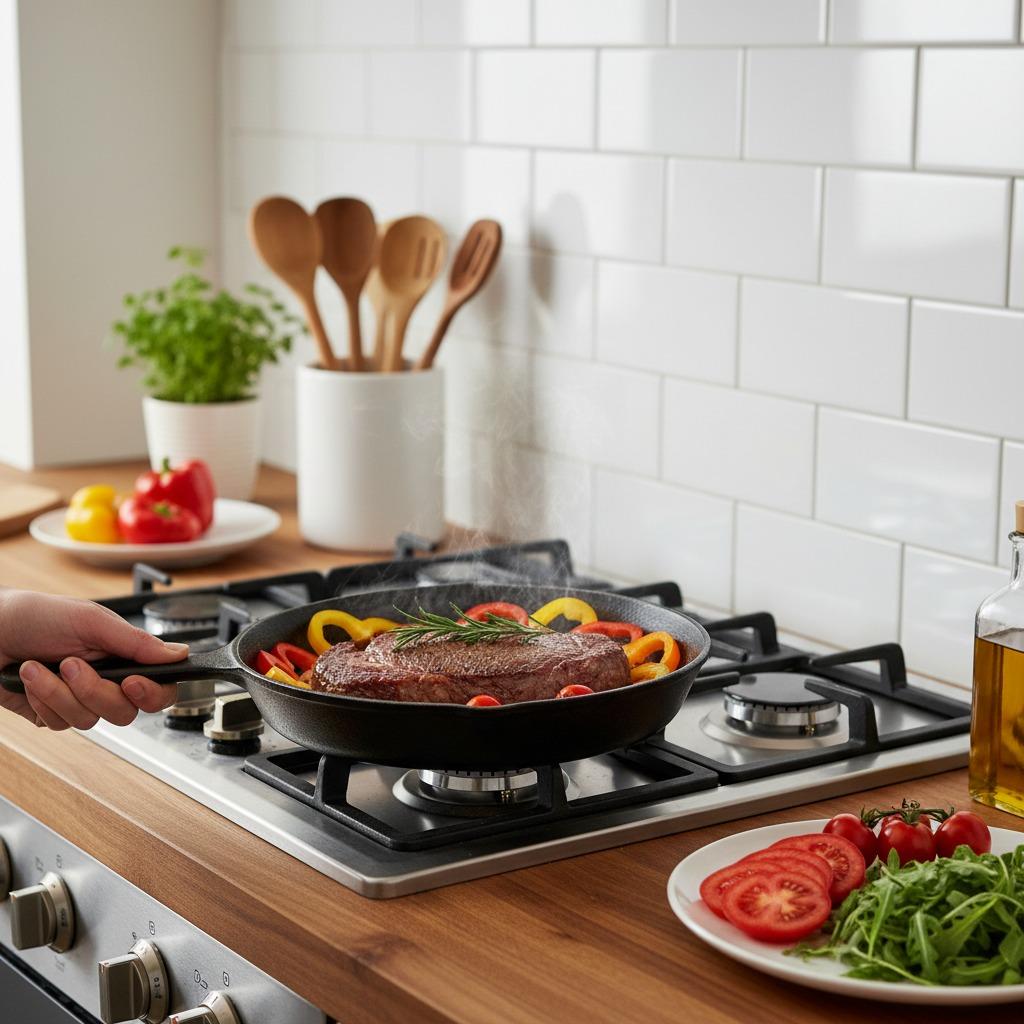
Induction cooking technology operates by using electromagnetic fields to heat cookware directly, bypassing the need for an open flame or external heating element. This contrasts sharply with gas cooking, where heat is generated by burning fuel and transferred through conduction. In terms of efficiency, induction cookers excel, delivering up to 90% energy efficiency compared to gas's 40%, meaning less wasted heat and lower utility bills. Safety is another key differentiator: induction surfaces remain cool to the touch unless a pot is present, reducing burn risks that are common with gas stoves' constant flames. For families or busy kitchens, this makes induction cookers a preferable choice over gas, especially in preventing accidents during meal prep. However, gas offers instant flame visibility and responsiveness for high-heat tasks like stir-frying, which some chefs prefer for its tactile control, though induction's precise temperature regulation often surpasses it in consistency.
Portable Induction Cookers: Versatility for On-the-Go Lifestyles
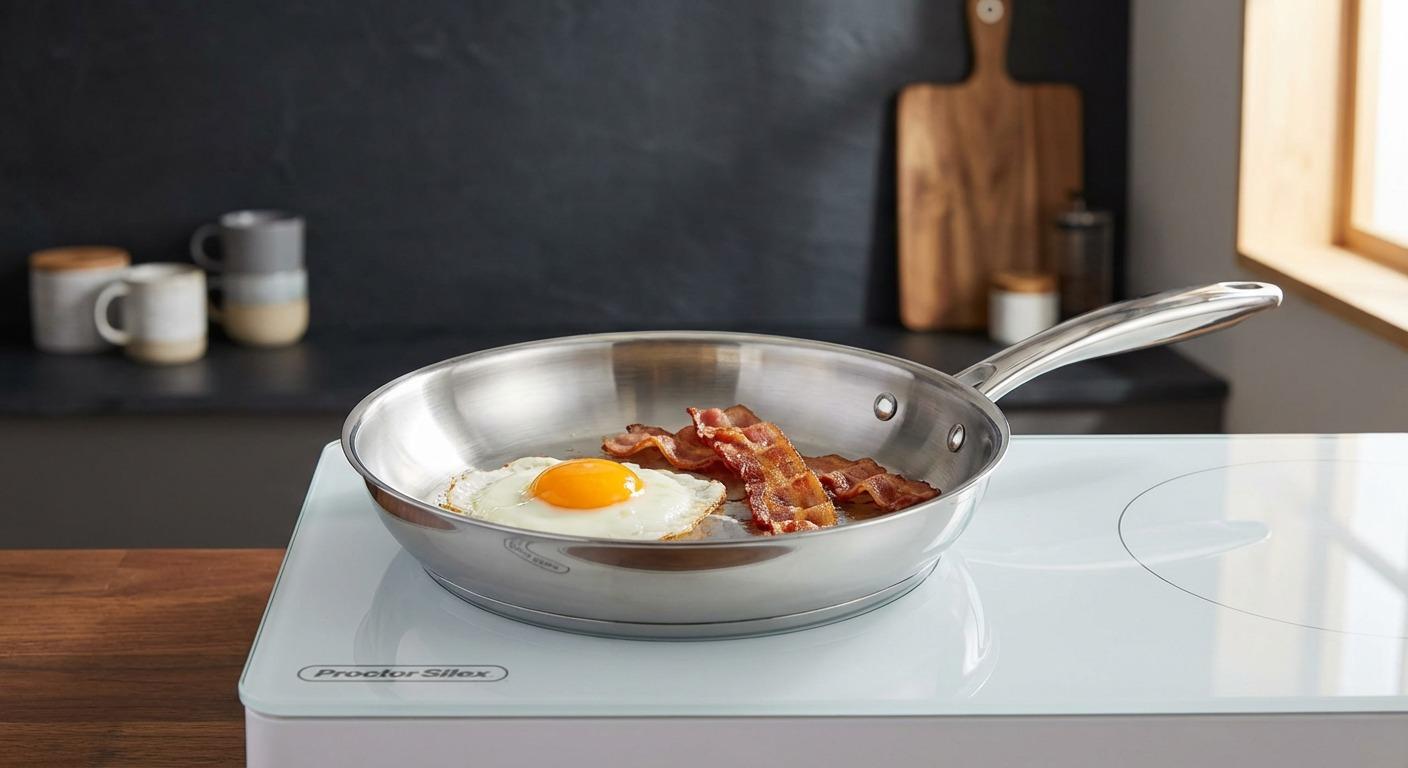
Portable induction cookers bring the power of induction cooking technology into compact, movable forms, ideal for small spaces or travel. Unlike bulky gas burners that require ventilation and fuel canisters, portable induction cookers plug into standard outlets and heat up almost instantly, saving time and energy. Consider a scenario in a dorm or RV: a portable induction cooker allows quick boiling or simmering without the hassle of gas setup. In contrast, traditional portable gas stoves might offer more power for outdoor use but pose higher fire hazards and require propane refills. At GUANGDONG WEBO TECHNOLOGY Co., LTD, our focus on certified, reliable designs ensures these portable induction cookers meet diverse needs, from students whipping up quick meals to travelers maintaining culinary routines. While gas provides that classic camping vibe, induction's clean, flameless operation wins for indoor portability and ease.
Commercial Induction Cookers: Powering Professional Kitchens
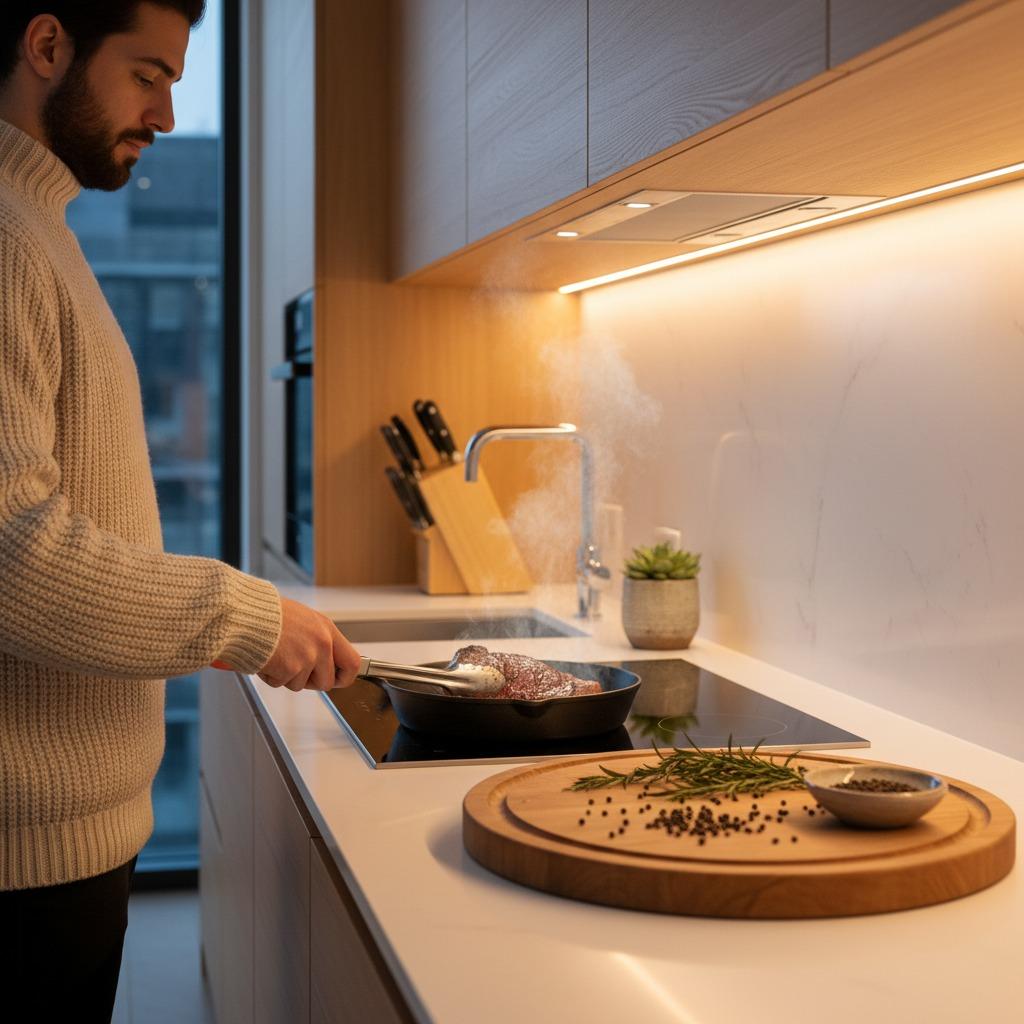
In professional settings, commercial induction cookers are gaining traction over gas counterparts for their speed, cleanliness, and cost savings. These robust units handle high-volume cooking with rapid heating—boiling water in half the time of gas—while maintaining even temperatures for delicate sauces or searing meats. Gas commercial ranges, though durable and familiar to many chefs, produce heat loss through exhaust and require frequent cleaning due to grease buildup. Induction cookers, on the other hand, eliminate airborne contaminants and simplify maintenance, aligning with health codes in busy restaurants. Drawing from our expertise at GUANGDONG WEBO TECHNOLOGY Co., LTD, where we produce kitchen appliances induction that power global operations, commercial models offer scalability without the ventilation infrastructure gas demands. Yet, for ultra-high BTU needs in large-scale grilling, gas still holds an edge, though induction's precision is closing the gap with advanced models.
Induction Vs Gas Cooking: Broader Implications for Home and Business
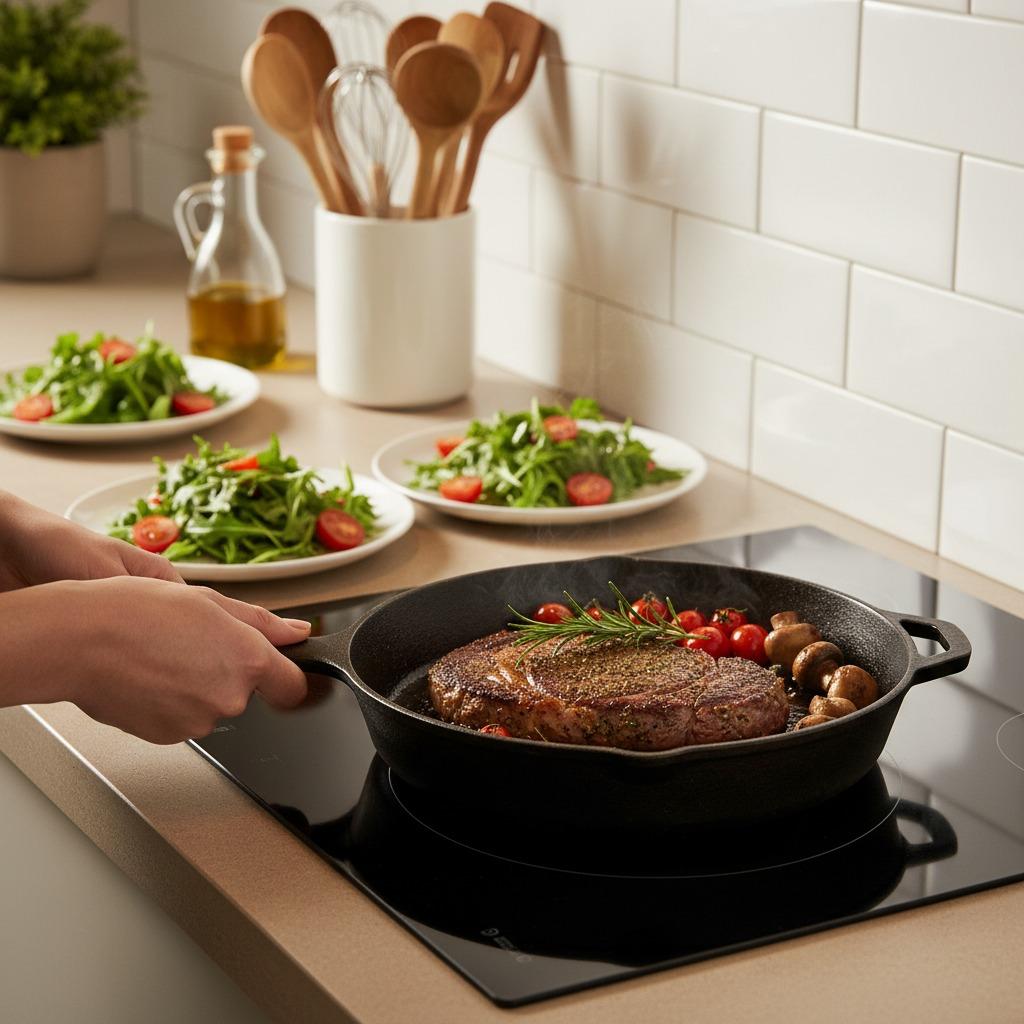
When weighing induction vs gas cooking overall, induction cookers emerge as a forward-thinking option for energy-conscious consumers and businesses. They reduce carbon footprints—induction uses electricity that can come from renewable sources, unlike gas's fossil fuel dependency—while providing quieter, odor-free operation. Homes upgrading to kitchen appliances induction often report faster cooking times and easier cleanup, contrasting with gas's lingering smells and soot. However, initial costs for induction setups can be higher due to compatible cookware needs, though long-term savings offset this. For commercial induction cookers, the ROI is evident in reduced energy bills and downtime. At GUANGDONG WEBO TECHNOLOGY Co., LTD, we see induction as the future, blending innovation with reliability to serve over 500 employees' worth of expertise into products that elevate your kitchen. Ultimately, while gas offers tradition and raw power, induction cookers deliver modern efficiency, safety, and versatility that align with today's sustainable lifestyles.