


Why the Induction Cooker is Revolutionizing Modern Kitchens
As someone who's spent years tinkering with kitchen gadgets at GUANGDONG WEBO TECHNOLOGY Co., LTD, I firmly believe the induction cooker represents a game-changing shift in how we cook. With over 500 employees driving innovation and an annual turnover nearing $40 million, our company has long championed certified home appliances that prioritize safety and efficiency—standards backed by ISO 9001, ISO 14001, VDE, TUV, UL, CE, and ROHS certifications. The induction cooker isn't just another gadget; it's a precise, energy-smart powerhouse that heats cookware directly through electromagnetic fields, eliminating the waste of traditional methods. In my opinion, if you're still relying on outdated stoves, it's time to upgrade to this sleek technology that promises faster cooking times and a cooler kitchen environment.
Exploring Portable Induction Cookers for On-the-Go Convenience
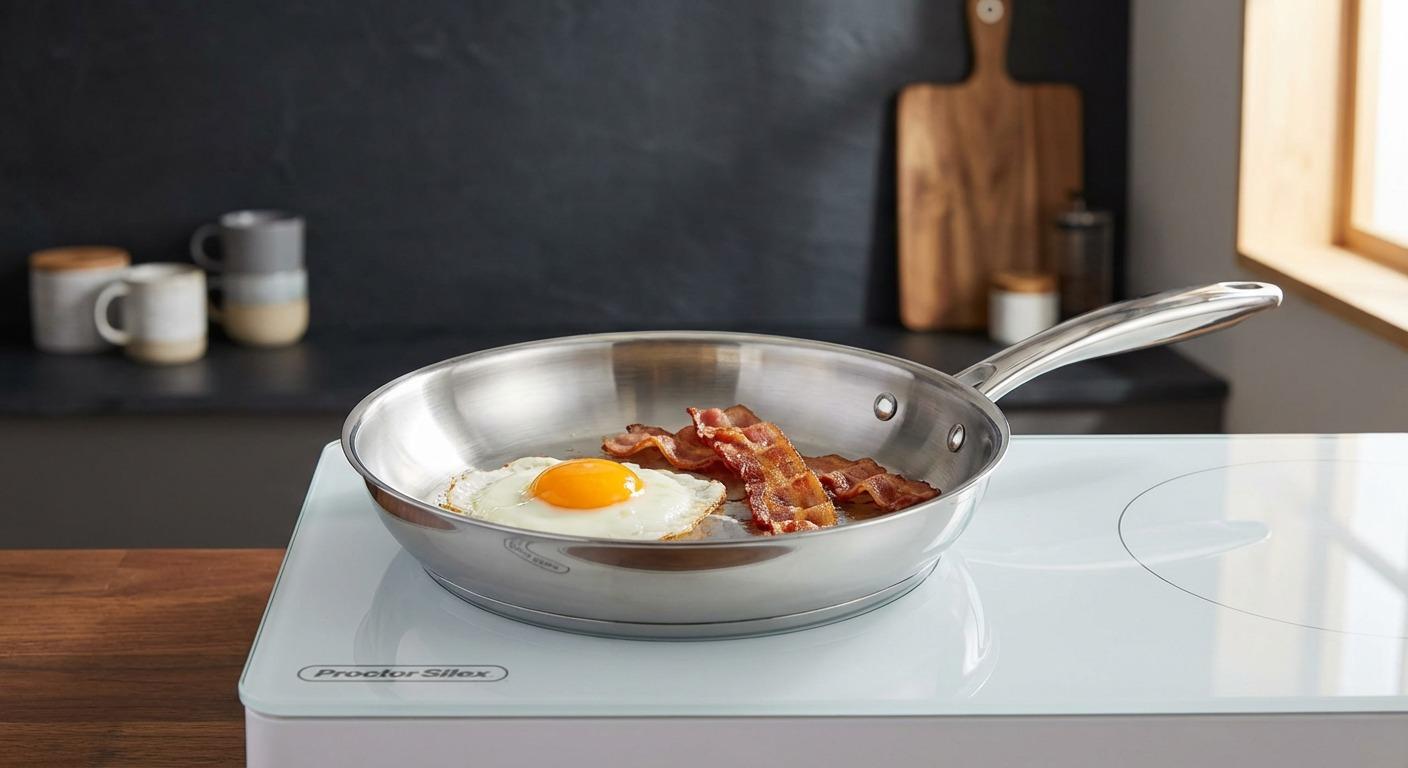
Portable induction cookers take the core benefits of the induction cooker and make them accessible anywhere, which is why I advocate for them in busy lifestyles. Imagine whipping up a meal in a small apartment or during a camping trip without the bulk of a full stove—these compact units, often no larger than a laptop, deliver restaurant-quality heat with minimal fuss. At our company, we've seen how such induction home appliances align perfectly with modern needs, offering portability without sacrificing power. I think the real appeal lies in their safety features; no open flames mean less risk, especially for families. Pair one with the right induction cookware, and you'll notice how evenly it distributes heat, preventing hotspots that ruin delicate sauces. From my experience testing prototypes, portable induction cookers outperform gas alternatives in energy efficiency, using up to 90% less power while cooking quicker— a stance I'd defend against any skeptic clinging to conventional setups.
The Edge of Induction Cookware in Everyday Use
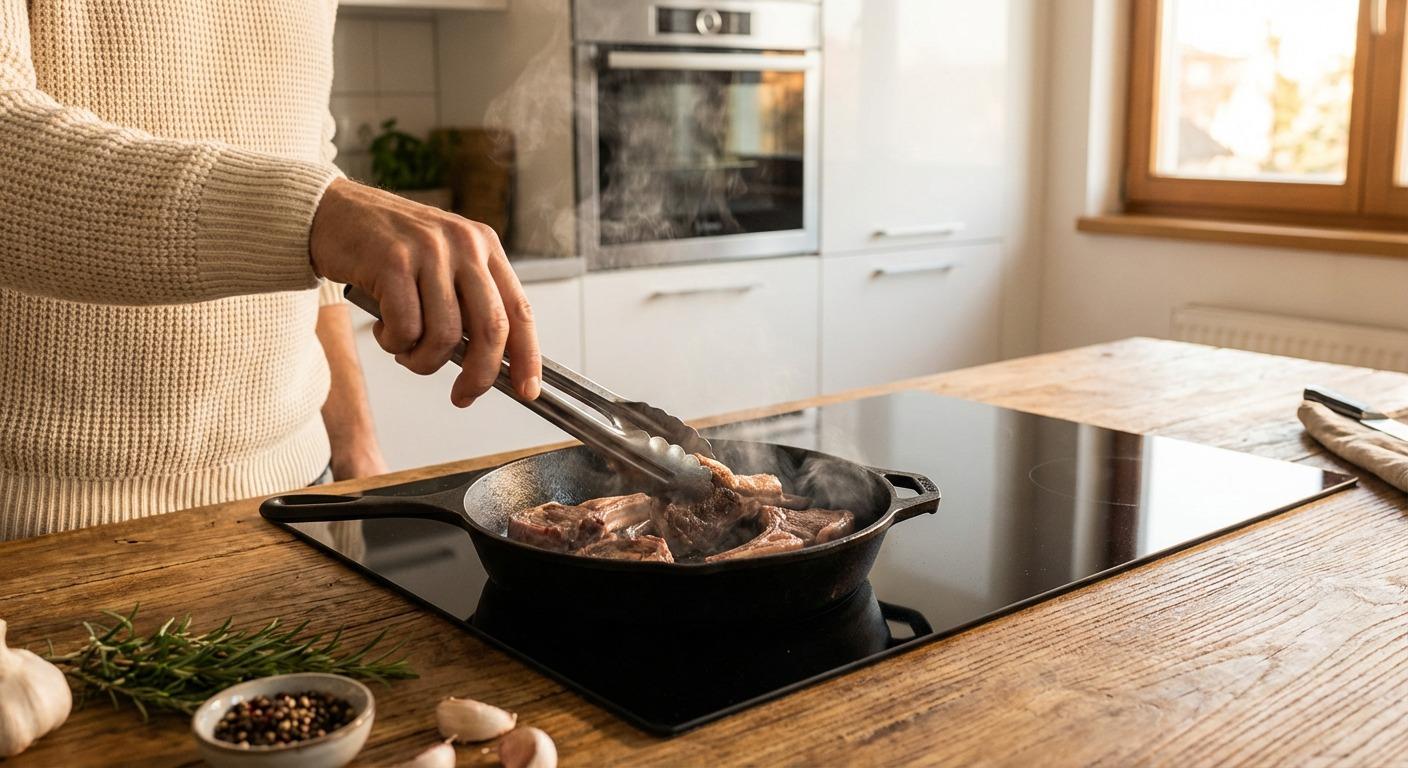
Induction cookware is essential for unlocking the full potential of any induction cooker, and here's where I stand: without compatible pots and pans featuring ferromagnetic bases, you're missing out on the magic. Our product lines at GUANGDONG WEBO TECHNOLOGY emphasize durable, high-quality materials that respond instantly to induction's magnetic pull, ensuring precise temperature control for everything from searing steaks to simmering soups. I passionately argue that investing in proper induction cookware pays off in longevity and performance; cheaper alternatives often warp or underperform, leading to frustration. Take, for instance, how induction kettles boil water in half the time of traditional ones—I've timed it myself, and the difference is staggering. This isn't hype; it's practical innovation that fits seamlessly into induction home appliance ecosystems, reducing utility bills and environmental impact.
Induction Rice Cooker: A Staple for Effortless Meals
In the realm of specialized tools, the induction rice cooker deserves a spotlight for its foolproof results, and I won't hesitate to say it's superior for rice enthusiasts. Unlike standard electric models, these use induction technology to provide even, gentle heating that prevents burning or sticking, yielding fluffier grains every time. Drawing from our company's commitment to certified excellence, I believe induction rice cookers embody reliability—perfect for busy professionals who want restaurant-quality rice without the hassle. They're also energy-efficient, aligning with the broader induction vs electric stove debate where induction wins for speed and precision. My take? If you're debating induction home appliances, start here; the convenience of set-it-and-forget-it cooking transforms meal prep, and in my view, it's an underrated hero in daily routines.
Induction vs Electric Stove: My Case for Switching
When pitting induction vs electric stove, my opinion is clear: induction emerges victorious for its responsiveness and safety. Electric stoves lag with residual heat that can scorch food or pose burn risks, whereas induction cookers cool down almost instantly once turned off. At GUANGDONG WEBO TECHNOLOGY, we've engineered products that highlight this advantage, ensuring our induction home appliances meet global safety standards. I argue that the induction cooker not only saves energy—up to 50% compared to electric coils—but also enhances cooking precision, allowing chefs to fine-tune heat on the fly. Induction kettles and portable models further illustrate this versatility, fitting into any space without the hazards of exposed elements. In an era of smart homes, sticking with electric feels regressive; embrace induction for a cleaner, more efficient kitchen that elevates your culinary game.
Ultimately, the induction cooker, bolstered by innovations like portable induction cookers and induction rice cookers, is more than a trend—it's a necessity. From our vantage at GUANGDONG WEBO TECHNOLOGY, we're proud to lead with products that deliver on this promise, certified for quality and designed for real life.