


The heart of any modern electric oven is its heating system, and understanding the role of the resistance oven heater is key to mastering your culinary creations. Whether you're baking a cake, broiling a steak, or simply toasting a slice of bread, the performance of this critical component dictates the final result. A reliable heating element ensures even temperatures and consistent cooking, turning your appliance into a dependable kitchen partner. This guide will walk you through everything you need to know about your oven's heating system, from the technology behind it to identifying when a replacement might be necessary.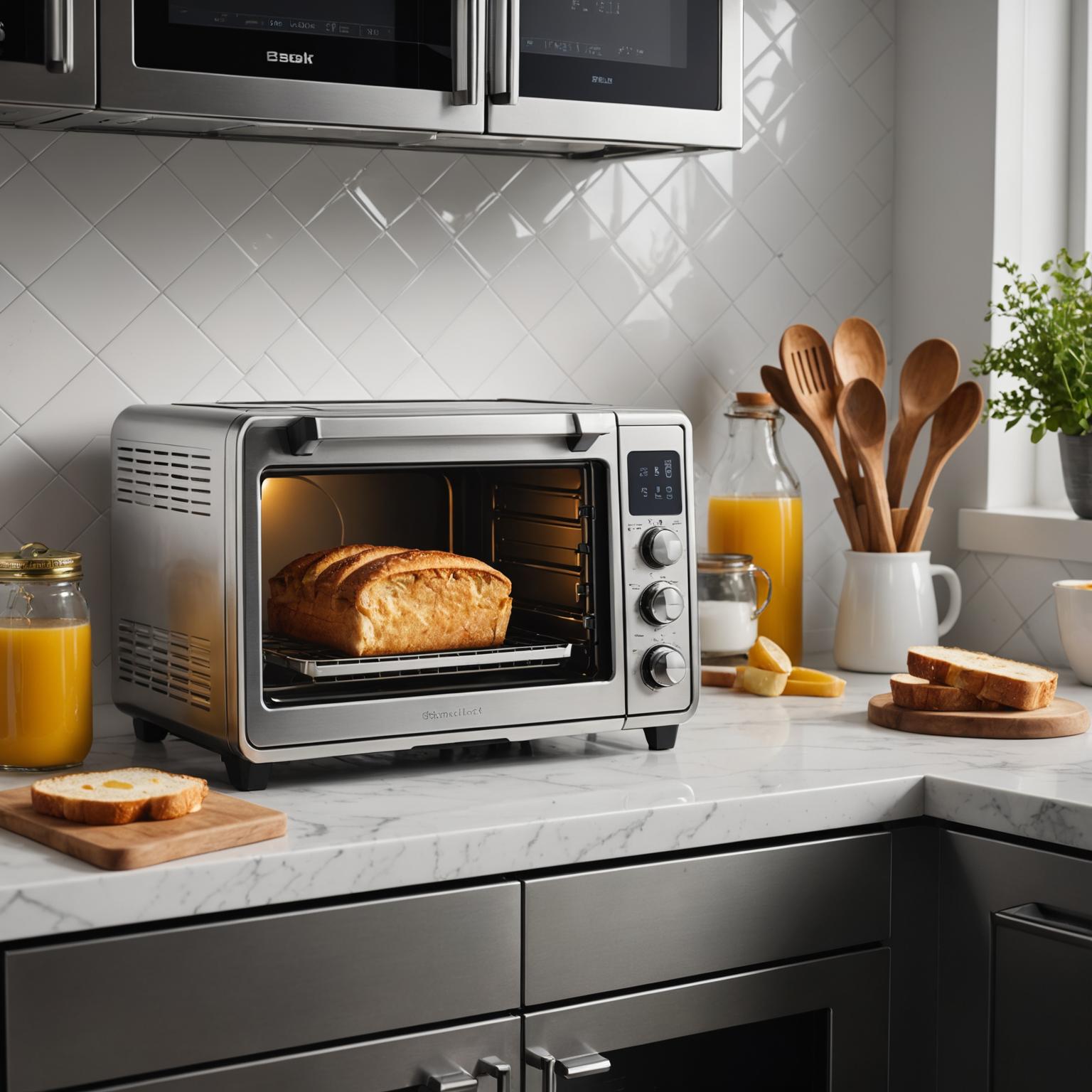
How Resistance Heating Technology Works
At its core, the science behind an electric oven is beautifully simple, all thanks to resistance heating technology. This principle involves passing an electric current through a material that resists the flow of electricity, known as a resistor. This resistance converts electrical energy into heat energy, causing the element to glow and radiate warmth throughout the oven cavity. The quality and design of these oven heating elements are paramount for performance. For instance, radiant quartz elements, often found in high-quality countertop ovens, heat up and cool down quickly, providing precise temperature control and incredibly even heat distribution. This efficiency is what allows for perfectly browned crusts and thoroughly cooked interiors, transforming everyday cooking into an extraordinary experience.
Types of Oven Heating Elements
Most ovens with resistance heating typically contain at least two main elements. The bake element is usually located at the bottom of the oven cavity, often concealed under a panel. It provides the primary heat for baking and roasting. The broil element is situated at the top of the oven and is used for high-temperature, top-down cooking. Some models, particularly convection ovens, may have a third element around a fan to circulate hot air. Recognizing the function of each electric oven heating element helps you use your appliance's features, like baking and broiling, to their full potential. The versatility offered by these distinct elements is what makes a modern oven so capable of handling a wide range of recipes and cooking styles.
Guide to Oven Heater Replacement
Like any component, an electric oven heating element can wear out over time. Signs that you might need an oven heater replacement include the oven not heating up, food cooking unevenly, or visible damage to the element itself, such as blisters, cracks, or breaks. If you suspect an issue, performing a replacement can be a straightforward task. First and foremost, ensure your safety by completely unplugging the oven from the power source. Next, identify the faulty element and remove the screws or brackets holding it in place. Carefully pull it out a few inches and disconnect the wires. To install the new part, simply reverse the process. It is crucial to use a high-quality, certified replacement part that meets safety standards like UL, CE, or VDE to ensure the continued safe and efficient operation of your appliance.
Choosing and Maintaining Your Appliance
Understanding the function and maintenance of your oven's heating system empowers you to get the most out of your kitchen appliances. A high-quality resistance oven heater is a mark of a well-built machine, promising reliability, efficiency, and delicious results for years to come. When you choose an appliance from a manufacturer that adheres to strict quality management standards, you are investing in superior components and design. Regular checks for the signs of wear on your oven heating elements and timely maintenance will ensure your culinary companion continues to perform at its best, helping you create perfect meals every time.