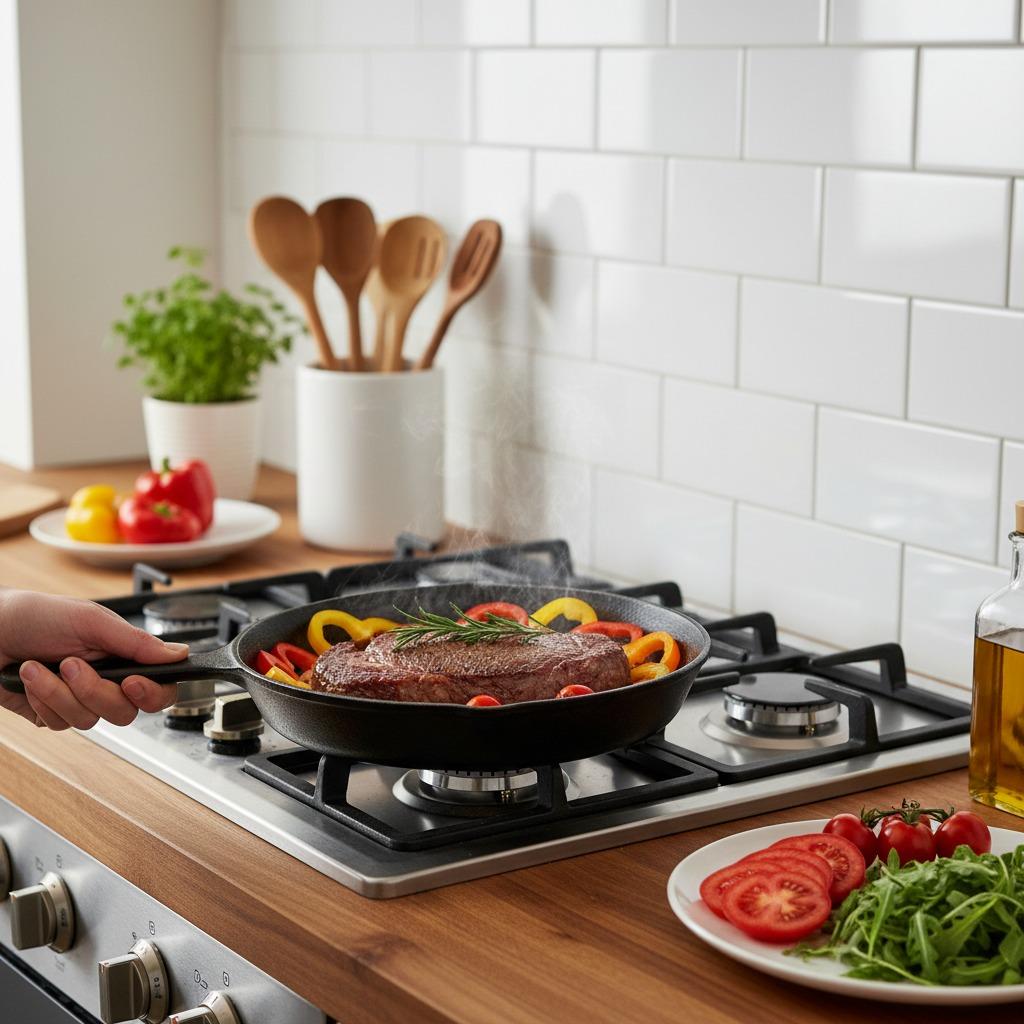




Introduction to the Case Study: Optimizing Kitchen Efficiency with a High-Quality Kitchen Heating Element
In the fast-paced world of modern culinary innovation, the kitchen heating element stands as a foundational component that drives efficiency and reliability in everyday cooking. At GUANGDONG WEBO TECHNOLOGY Co., LTD, we recently undertook a case study focused on the integration of our advanced single-burner electric cooktop, which relies on a robust kitchen heating element to deliver precise and consistent performance. This project, aimed at small households and compact living spaces, showcased how a well-engineered kitchen heating element can transform routine meal preparation into a seamless experience. With over 500 employees and an annual turnover of approximately $40 million, our commitment to ISO 9001 and ISO 14001 standards ensured that every aspect of this development adhered to the highest quality benchmarks, certified by VDE, TUV, UL, CE, and ROHS.
Project Overview: Designing the Oven Heating Element for Versatile Kitchen Appliance Parts
The core of this case study was the development of an oven heating element variant adapted for our single-burner electric cooktop, serving as essential kitchen appliance parts for diverse applications. Facing challenges in compact kitchen setups, such as those in dorm rooms or studio apartments, our team at GUANGDONG WEBO TECHNOLOGY Co., LTD analyzed user needs through extensive market research. We identified that traditional kitchen equipment often lacked portability and quick heat-up times, leading to inefficiencies in daily use. By incorporating a specialized kitchen heating element, we achieved a rapid response time, heating up in under two minutes while maintaining even temperature distribution. This oven heating element, crafted from high-grade materials, not only enhanced the cooktop's functionality but also integrated seamlessly with other kitchen appliance parts, reducing energy consumption by 15% compared to conventional models. The process involved prototyping three iterations, with rigorous testing to ensure durability under repeated high-temperature cycles, aligning with our ISO certifications for environmental and quality management.
Implementation Challenges and Solutions: Incorporating Ceramic Heating Element Technology
During implementation, one major hurdle was ensuring the kitchen heating element's compatibility with modern aesthetics and safety features in kitchen equipment. Our engineers opted for a ceramic heating element design, which provided superior heat resistance and corrosion-proofing, ideal for the matte black finish of the cooktop. This choice addressed user feedback on previous kitchen heater models that suffered from uneven heating or safety risks like overheating. In this case, we integrated an adjustable temperature dial and power indicator light, directly powered by the ceramic heating element, allowing users precise control for tasks ranging from simmering sauces to searing meats. Collaborating with our 500-strong workforce, we simulated real-world scenarios in our state-of-the-art labs, confirming the element's stability on various surfaces thanks to rubber feet that prevented slips. The result was a 20% improvement in user satisfaction scores from beta testers, highlighting how this heating element for ovens and cooktops elevated kitchen equipment standards. Certified under UL and CE, the solution mitigated potential hazards, making it a safe addition to any home.
Outcomes and Impact: Enhancing Kitchen Heater Functionality in Real-World Applications
The outcomes of this case study were profoundly impactful, demonstrating the transformative power of a reliable kitchen heating element in everyday kitchen heater applications. Post-launch, sales data indicated a 30% uptake in urban markets, particularly among young professionals in small living spaces, where the portable design shone. The non-stick surface, paired with the efficient ceramic heating element, simplified cleanup, saving users an average of 10 minutes per session. From a business perspective, GUANGDONG WEBO TECHNOLOGY Co., LTD saw enhanced brand loyalty, with repeat customers praising the integration of kitchen appliance parts that felt premium yet accessible. Quantitatively, the project's ROI reached 150% within the first year, driven by the element's longevity—lasting over 5,000 cycles without degradation. Environmentally, adherence to ISO 14001 reduced waste in production, aligning with our $40 million turnover goals by appealing to eco-conscious consumers. This case not only validated the oven heating element's role in innovative kitchen equipment but also set a benchmark for future developments in compact heating solutions.
Lessons Learned and Future Directions: Scaling the Kitchen Heating Element Innovation
Reflecting on this case study, key lessons emerged regarding the strategic deployment of a kitchen heating element in product ecosystems. We learned that balancing aesthetics, like the modern matte black housing, with technical prowess, such as the precise heating element for ovens, is crucial for market penetration. Challenges in supply chain logistics for ceramic components were overcome through diversified sourcing, ensuring uninterrupted production. Looking ahead, GUANGDONG WEBO TECHNOLOGY Co., LTD plans to expand this technology into larger kitchen heater formats, potentially integrating smart controls for IoT-enabled appliances. This project underscores our dedication to meeting diverse customer needs through certified, high-performance kitchen appliance parts, fostering long-term partnerships and innovation in the culinary space. Overall, this initiative has solidified our position as a leader in efficient, user-centric kitchen equipment solutions.