


Why Your Stove's Pan Support Deserves More Attention
When outfitting a kitchen, much of the focus goes to the major appliances themselves—the oven's capacity, the refrigerator's features, or the stovetop's BTU output. However, one of the most critical components for daily cooking safety and efficiency is often overlooked: the pan support for stove. This humble yet essential piece of equipment is the foundation of every meal you cook on your hob. A well-designed support ensures stability, promotes even heating, and can even make cleanup easier. Understanding the different types and features available will help you appreciate this unsung hero of the kitchen and make better choices for your culinary space.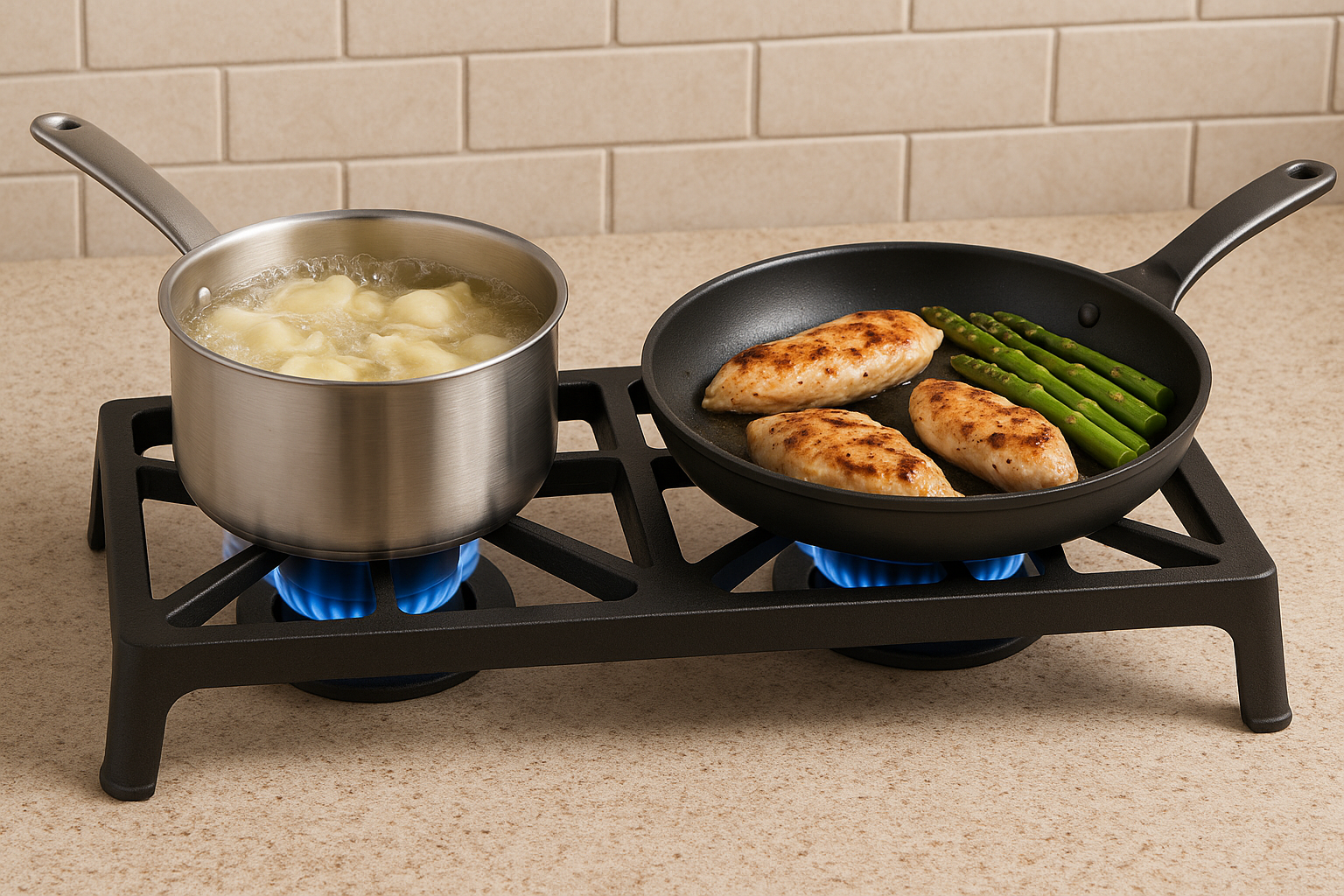
The Foundation of Stability: Choosing the Right Material
Pan supports come in several materials, each offering distinct advantages in durability, heat conductivity, and aesthetics. The most common and highly regarded material is cast iron. Known for its exceptional robustness and heat retention, cast iron provides an incredibly stable and durable surface for cookware of all sizes. It can handle heavy pots and pans without any risk of bending or warping. Another popular option is enameled steel, which offers a smoother, often glossy finish that is easier to clean and can add a touch of modern style. For those with a sleek, contemporary kitchen, stainless steel supports offer a rust-free and lightweight alternative that perfectly complements other stainless steel appliances, blending functionality with a modern design profile.
More Than Just a Stand: Design and Functional Features
The design of a gas stove pan support significantly impacts its usability. Many modern cooktops feature continuous grates, which form a level, interconnected surface across all burners. This design is highly practical, allowing you to slide heavy pots and pans from one burner to another without lifting them, which is both convenient and safer. Other stoves feature individual supports for each burner, which can be easier to remove for cleaning. Regardless of the style, the primary function is to provide a stable base. The support must be designed to prevent cookware from wobbling or tipping, which is a serious safety hazard. A quality burner pan holder will securely cradle everything from a large stockpot to a small saucepan, ensuring your focus remains on the food.
Keeping It Clean: Maintenance for Your Burner Pan Holder
Proper maintenance is key to extending the life and performance of your stove's pan supports. For robust cast iron grates, it's best to avoid harsh soaps that can strip away the seasoning. Instead, clean them with hot water and a stiff brush, and dry them thoroughly to prevent rust. Enameled and stainless steel supports are generally easier to manage and can be washed with regular dish soap or even placed in a dishwasher if the manufacturer's instructions permit. Regular cleaning is crucial as it prevents the buildup of grease and food debris, which can become a fire hazard and interfere with the pot's stability. A clean burner pan holder not only looks better but functions more safely and effectively.
Enhancing Your Cooktop: When to Upgrade Your Kitchen Stove Accessories
Over time, pan supports can become damaged, warped, or rusted, compromising their safety and effectiveness. This is a clear sign that a replacement is needed. However, you don't have to wait for damage to consider an upgrade. Swapping out your old supports is one of the easiest ways to refresh the look of your cooktop. These components are vital kitchen stove accessories that can enhance both form and function. If you're looking to improve your overall cooking system, ensuring you have a quality oven burner support and stovetop grates is a great place to start. An upgrade can provide better stability, improved aesthetics, and make your entire cooking experience more enjoyable and efficient.