


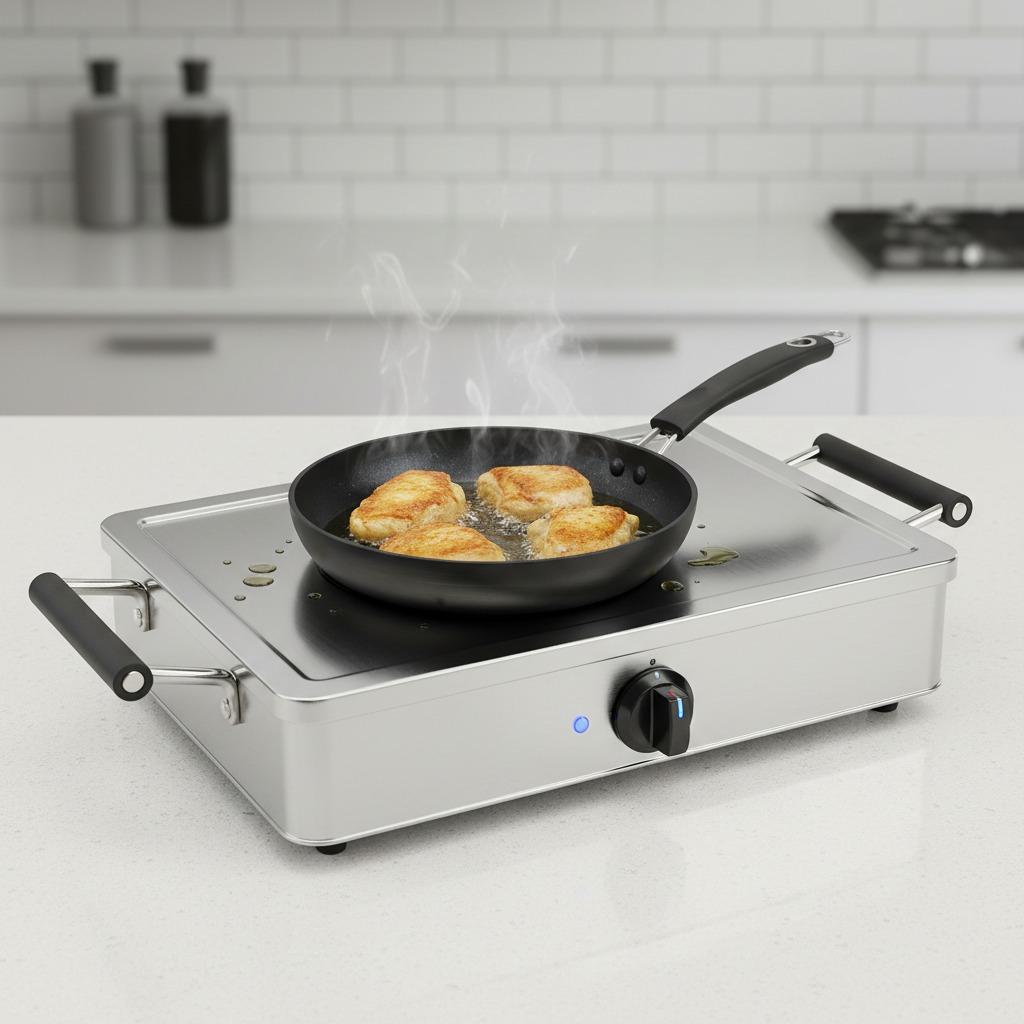
Understanding the Solid Hot Plate: A Technical Overview
The solid hot plate stands as a fundamental component in both kitchen and laboratory environments, offering reliable heat distribution for various applications. As a core heating device, the solid hot plate utilizes a robust, flat heating surface made from durable materials like cast iron or stainless steel, which ensures even temperature spread across the cooking or experimental area. At GUANGDONG WEBO TECHNOLOGY Co., LTD, our commitment to quality is evident in products that align with ISO 9001 and ISO 14001 standards, backed by certifications such as VDE, TUV, UL, CE, and ROHS. This allows us to deliver appliances that meet stringent safety and performance criteria, making the solid hot plate an essential tool for precise thermal control.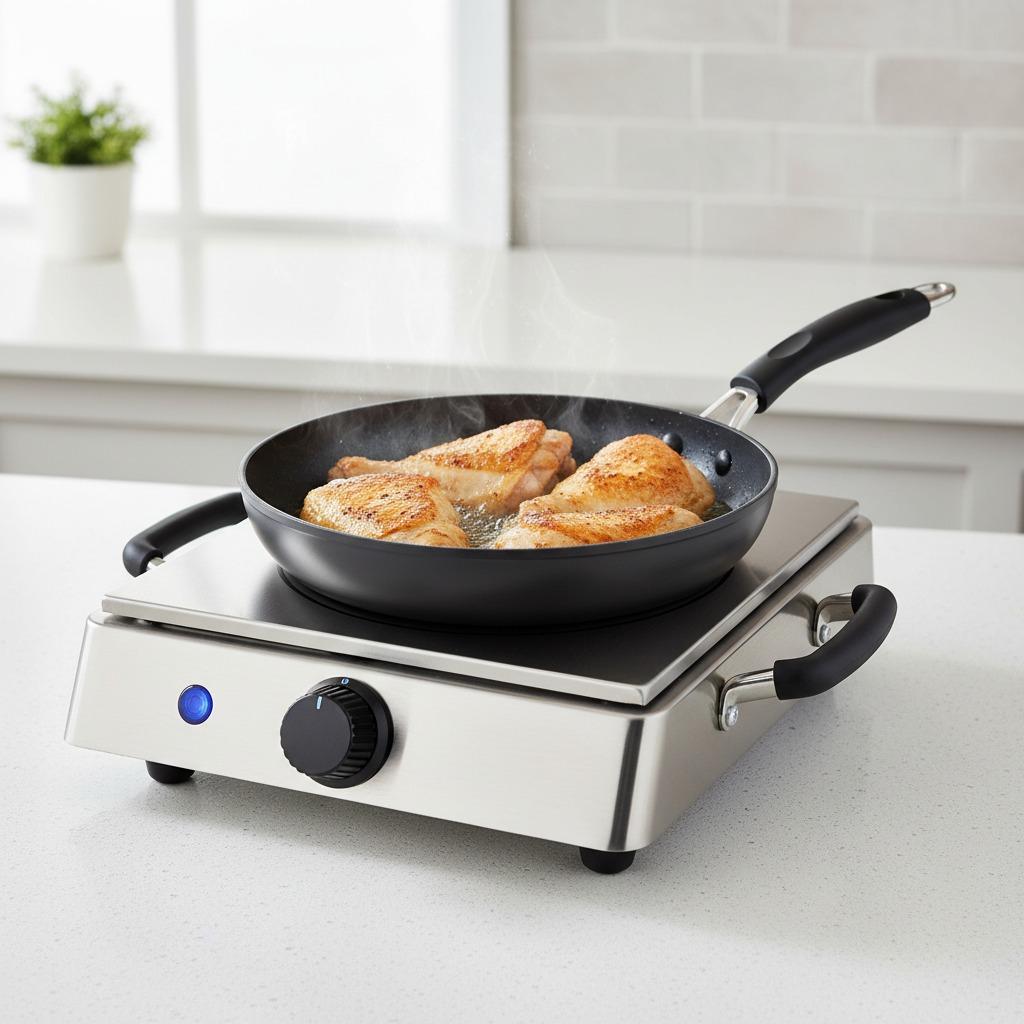
Exploring Hot Plate Heating Mechanisms
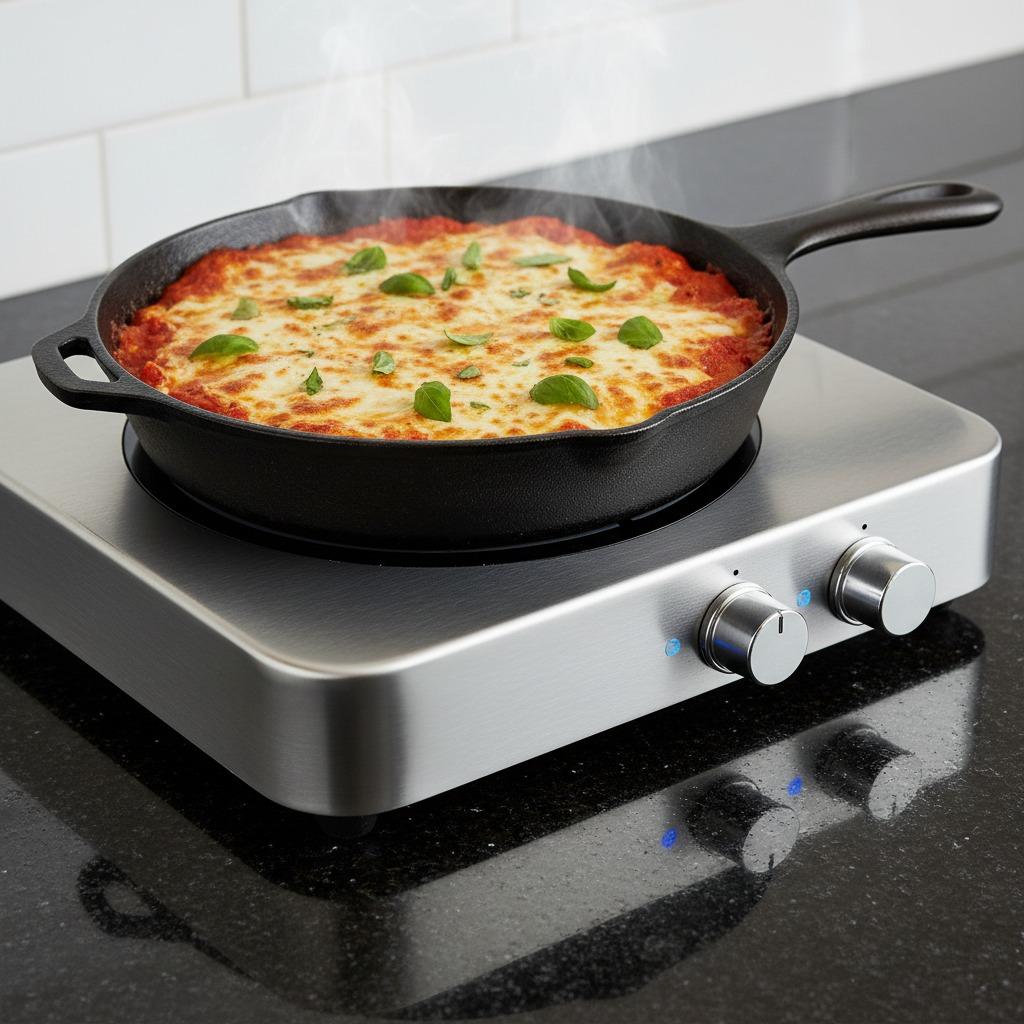
Hot plate heating in a solid hot plate operates through resistive heating elements embedded within the solid surface. When electricity flows through these elements, typically nichrome wires or similar alloys, they generate heat via Joule heating, where electrical resistance converts energy into thermal output. This process achieves temperatures ranging from 100°C for gentle simmering to over 500°C for high-heat tasks, with response times as quick as 2-5 minutes to reach operating levels. In our Techwood Electric Hot Plate, this technology is optimized for efficiency, drawing power at 1000-1500 watts to minimize energy waste while providing consistent hot plate heating. The solid construction prevents hotspots, ensuring uniform heat transfer to cookware or lab vessels, which is crucial for processes like boiling solutions or frying ingredients without uneven cooking.
The Electric Hot Plate: Design and Functionality
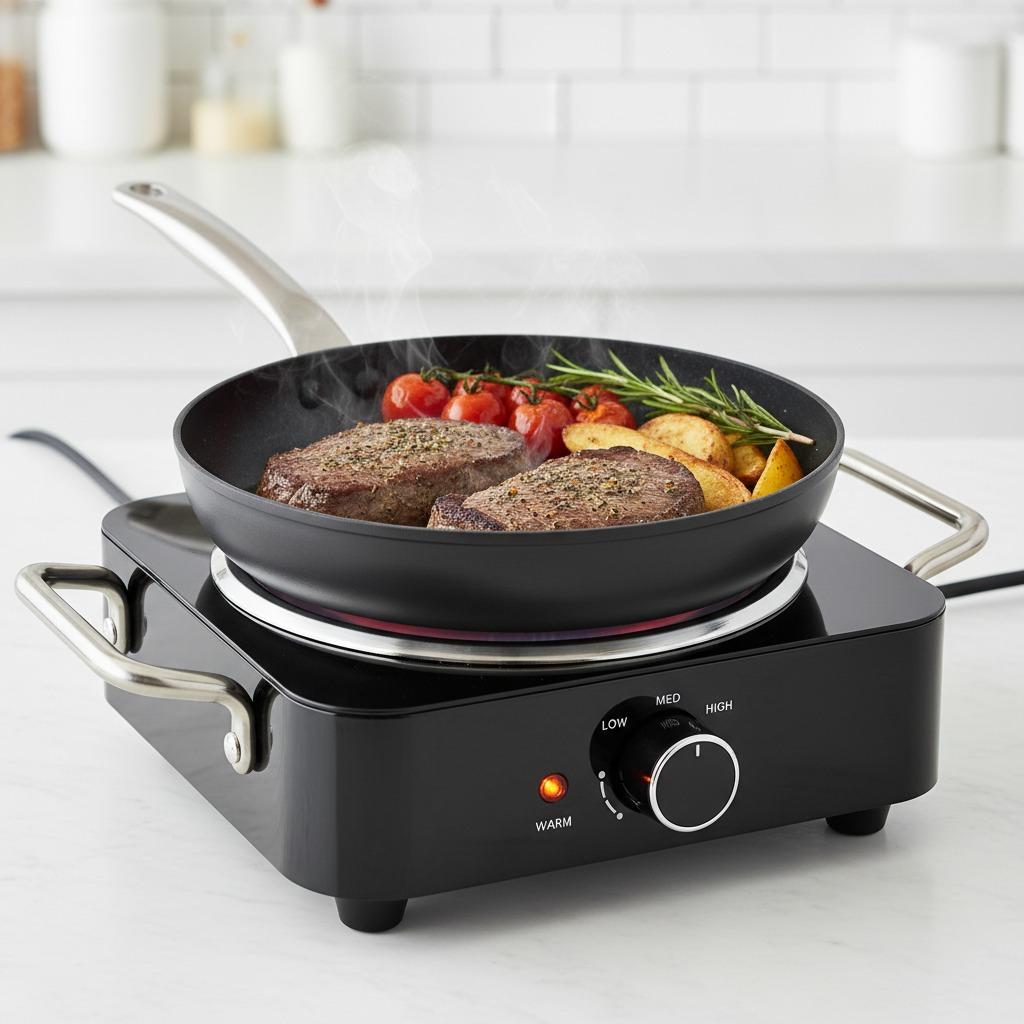
An electric hot plate, particularly the solid variant, features a compact design with adjustable thermostats for precise temperature regulation. The heating plate surface, often coated for corrosion resistance, interfaces directly with pots and pans, facilitating conductive heat transfer governed by Fourier's law, where heat flux is proportional to the temperature gradient. GUANGDONG WEBO TECHNOLOGY Co., LTD integrates advanced safety features, such as overheat protection circuits that monitor internal temperatures and automatically shut off if exceeding safe limits, typically around 600°C. This electric hot plate supports versatile applications, from dorm room meals to professional setups, with rubberized feet enhancing stability under loads up to 10 kg. The indicator light, powered by a low-voltage LED, provides visual feedback on operational status, reducing user error in dynamic environments.
Laboratory Hot Plates: Precision in Scientific Applications
Laboratory hot plates extend the solid hot plate's utility into scientific realms, where controlled environments demand accuracy within ±5°C. These devices often incorporate digital PID controllers that use feedback loops to maintain set points, adjusting power input via pulse-width modulation for minimal fluctuations. In lab settings, the heating plate must withstand chemical exposures, hence materials like ceramic-coated steel are employed for their thermal conductivity (around 20-50 W/m·K) and resistance to acids. Our certified products at GUANGDONG WEBO TECHNOLOGY Co., LTD ensure compliance with lab standards, supporting tasks like sample evaporation or reaction heating. Unlike open-flame methods, the solid hot plate in labs minimizes contamination risks, with enclosed elements preventing particulate release during operation.
Heating Plate Innovations: Induction and Beyond
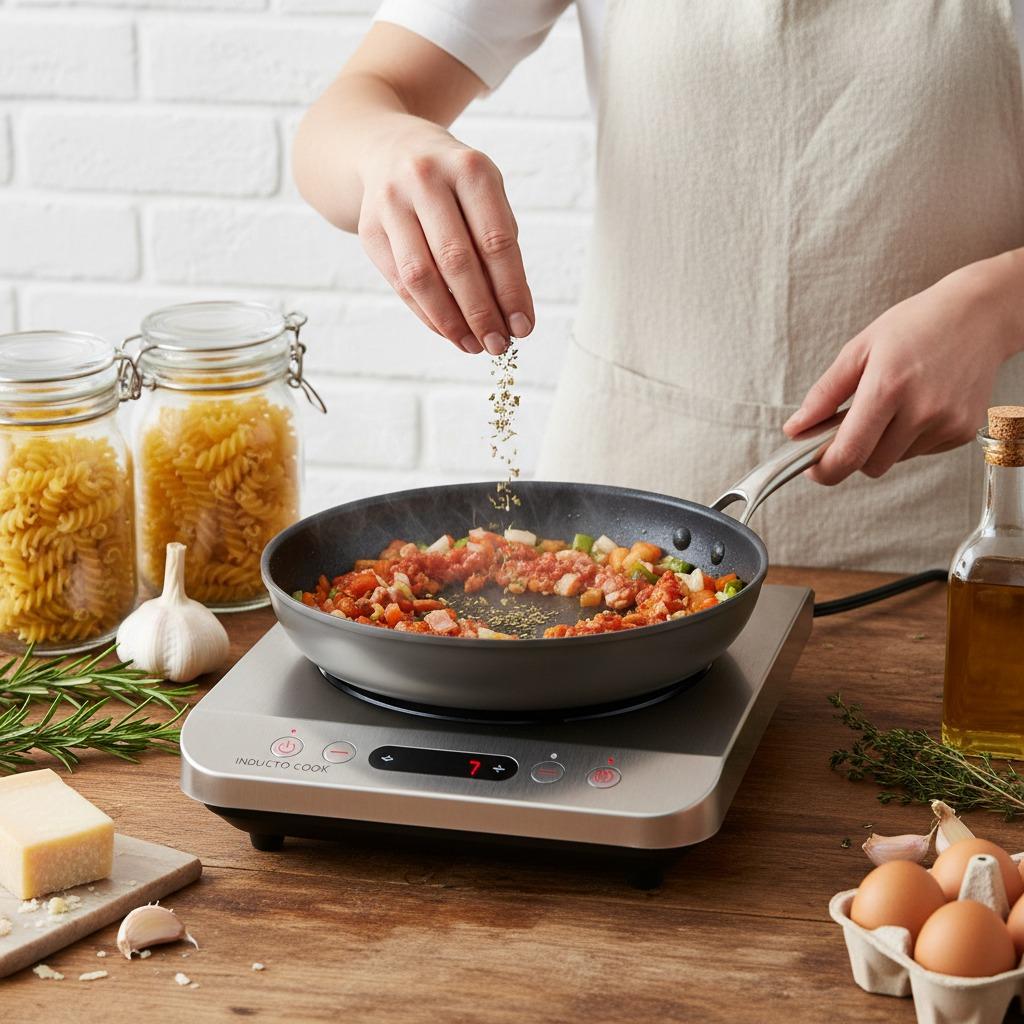
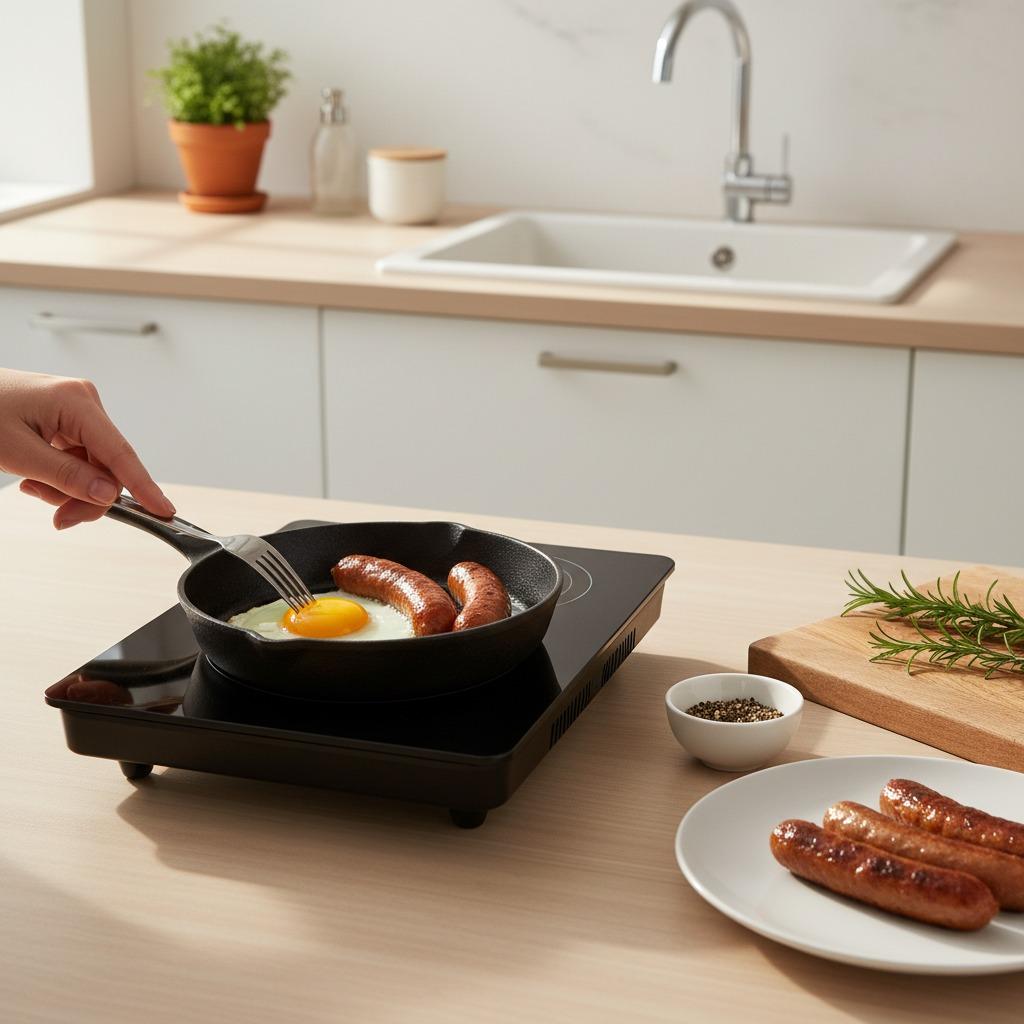
While traditional solid hot plates rely on direct resistance, the induction hot plate variant introduces electromagnetic induction for faster, more efficient heating. Here, an alternating current in a coil beneath the heating plate generates a magnetic field, inducing eddy currents in ferromagnetic cookware, which then self-heats via resistive losses. This method achieves up to 90% efficiency compared to 70% for conventional electric hot plates, reducing preheat times to under 30 seconds. Food heating plates in this category, like those in our lineup, feature non-conductive glass surfaces for easy maintenance and safety. GUANGDONG WEBO TECHNOLOGY Co., LTD's adherence to global certifications guarantees that such innovations in heating plates deliver reliable performance, from searing meats to precise lab distillations, all while prioritizing user safety with auto-shutoff after inactivity.
The Techwood Electric Hot Plate exemplifies these principles, combining a stainless steel solid hot plate design with adjustable controls for broad applicability. Its portable form factor, complete with heat-resistant handles, makes it ideal for diverse scenarios, ensuring that whether you're in a bustling kitchen or a compact office space, you benefit from professional-grade hot plate heating without compromise.