


The humble General Electric Gas Range Grate is often one of the most overlooked components of your kitchen, yet it plays a pivotal role in your daily cooking adventures. This sturdy platform is more than just a place to rest your pots and pans; it's a critical piece of hardware that affects everything from cooking efficiency to kitchen safety. As a core part of your General Electric kitchen equipment, understanding its features and how to care for it can significantly enhance your culinary experience. Whether you're simmering a delicate sauce or searing a steak, the grate is your direct partner in the kitchen. In this guide, we'll explore the key aspects of your gas range grate, from material choice to maintenance.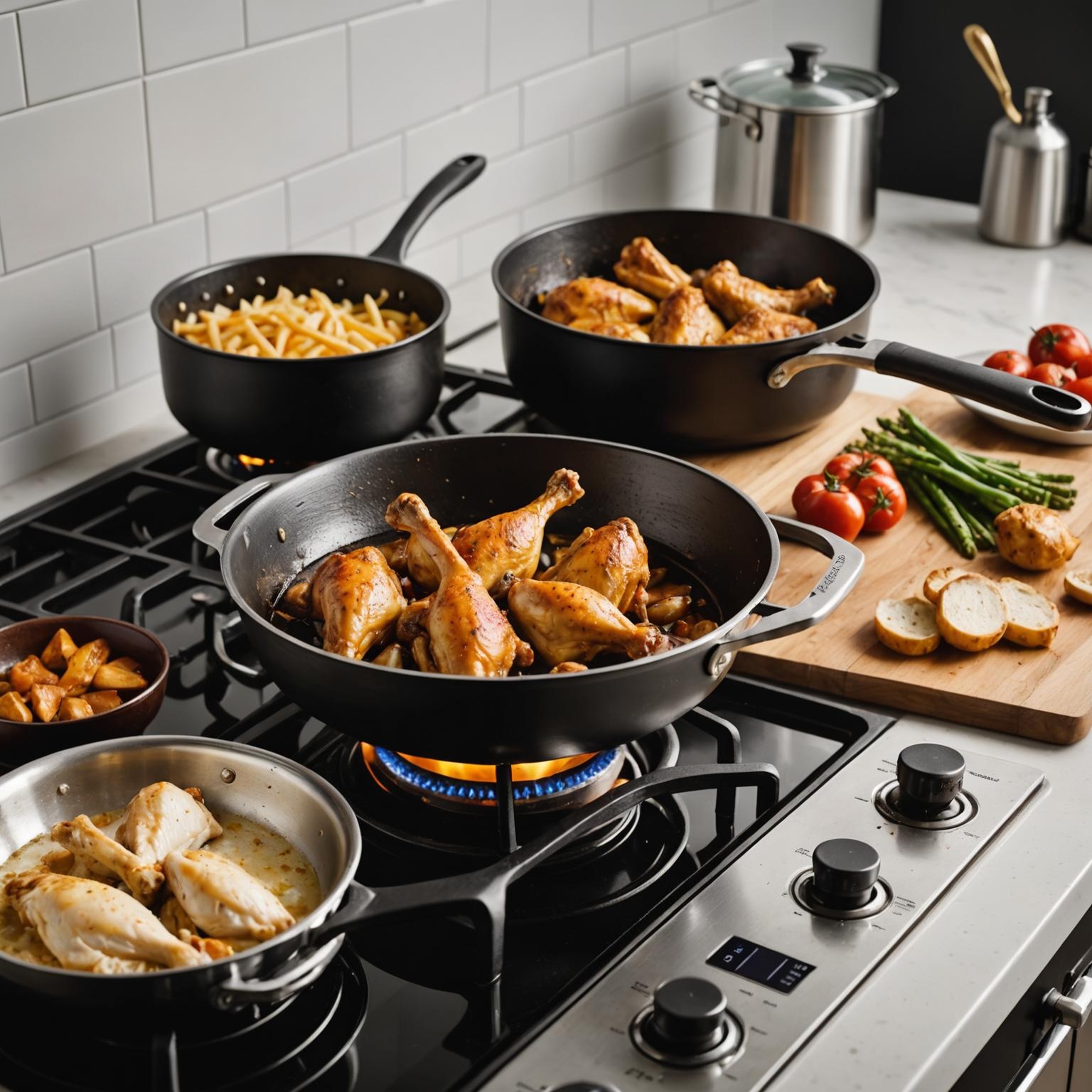
Choosing the Right Material: Cast Iron vs. Steel
A key feature to consider is the material, and nothing speaks to durability and performance quite like a GE cast iron grate. Cast iron is prized by both professional chefs and home cooks for its exceptional heat retention. When your pan sits on a preheated cast iron grate, it receives consistent, even heat, which is essential for perfect browning and searing. Unlike lighter steel grates, a heavy-duty GE cast iron grate provides a more stable and robust surface for your cookware. This material is built to withstand high temperatures and heavy use for years, making it a long-term investment in your kitchen's performance. Its substantial weight also ensures your pots and pans stay securely in place, preventing dangerous slips and spills.
Ensuring Stability and Safety with a Proper Fit
Safety in the kitchen is paramount, and a proper fit for your oven range grate is non-negotiable. Each General Electric stovetop grate is engineered to fit specific range models perfectly, locking into place to create a level and secure cooking surface. Using a generic or ill-fitting grate can lead to wobbling, which poses a significant risk, especially when handling heavy pots filled with hot liquids. When replacing a grate, it's crucial to select one designed for your appliance to maintain its original safety standards and stability. A well-fitted grate ensures your cookware is perfectly balanced over the flame, contributing to better cooking results and giving you peace of mind.
How Your Grate Impacts Cooking Performance
The design of your gas cooktop grate directly influences your cooking workflow and efficiency. Many modern ranges feature a continuous GE stove grate design, where the grates connect across the cooktop surface. This brilliant feature allows you to slide heavy pots and pans from one burner to another without lifting them, which is both convenient and safe. This design transforms your entire cooktop into a usable, fluid workspace. Furthermore, the distance between the grate and the burner is precisely calculated to optimize heat delivery, ensuring your flame heats the pan effectively without wasting energy. This meticulous engineering is what sets a high-quality gas cooktop grate apart, turning a simple component into a tool for culinary precision.
Keeping Your Grates in Top Condition
Proper maintenance will extend the life of your grates and keep them looking their best. For a GE cast iron grate, regular cleaning is essential to prevent food buildup and rust. After it has cooled, wash it with warm, soapy water and a non-abrasive sponge. It is crucial to dry it thoroughly immediately after washing to prevent rust from forming. For tougher, baked-on food, you can create a paste of baking soda and water. To maintain its finish and prevent rust, you can occasionally season the cast iron by lightly rubbing it with cooking oil and baking it in the oven for an hour, which restores its protective layer and deep black luster.
Finding the Right GE Appliance Parts
Ultimately, the grate is an essential component that defines the functionality of your gas range. When it's time for a replacement or an upgrade, choosing high-quality GE appliance parts is the best way to guarantee compatibility, safety, and performance. Sourcing components from manufacturers who adhere to strict international standards, such as ISO 9001, and hold product certifications like UL and CE, ensures you receive a product built for longevity and reliability. By paying attention to this hardworking piece of equipment, you ensure your kitchen remains a safe, efficient, and enjoyable place to create delicious meals for years to come.