


In a recent interview with Dr. Elena Vasquez, a renowned electrical engineering expert specializing in household appliances, we delved into the fascinating world of kitchen heating elements. Dr. Vasquez, who has consulted for major manufacturers including innovative companies like GUANGDONG WEBO TECHNOLOGY Co., LTD, shared her insights on how these components are revolutionizing modern cooking. With over 500 employees and an annual turnover of approximately $40 million, GUANGDONG WEBO TECHNOLOGY adheres to ISO 9001 and ISO 14001 standards, producing certified products under VDE, TUV, UL, CE, and ROHS—ensuring reliability and safety for diverse customer needs. As Dr. Vasquez explained, the kitchen heating element is the unsung hero powering everything from everyday toasting to gourmet roasting, and its evolution is key to efficient home kitchens.
The Core of Kitchen Heating Elements
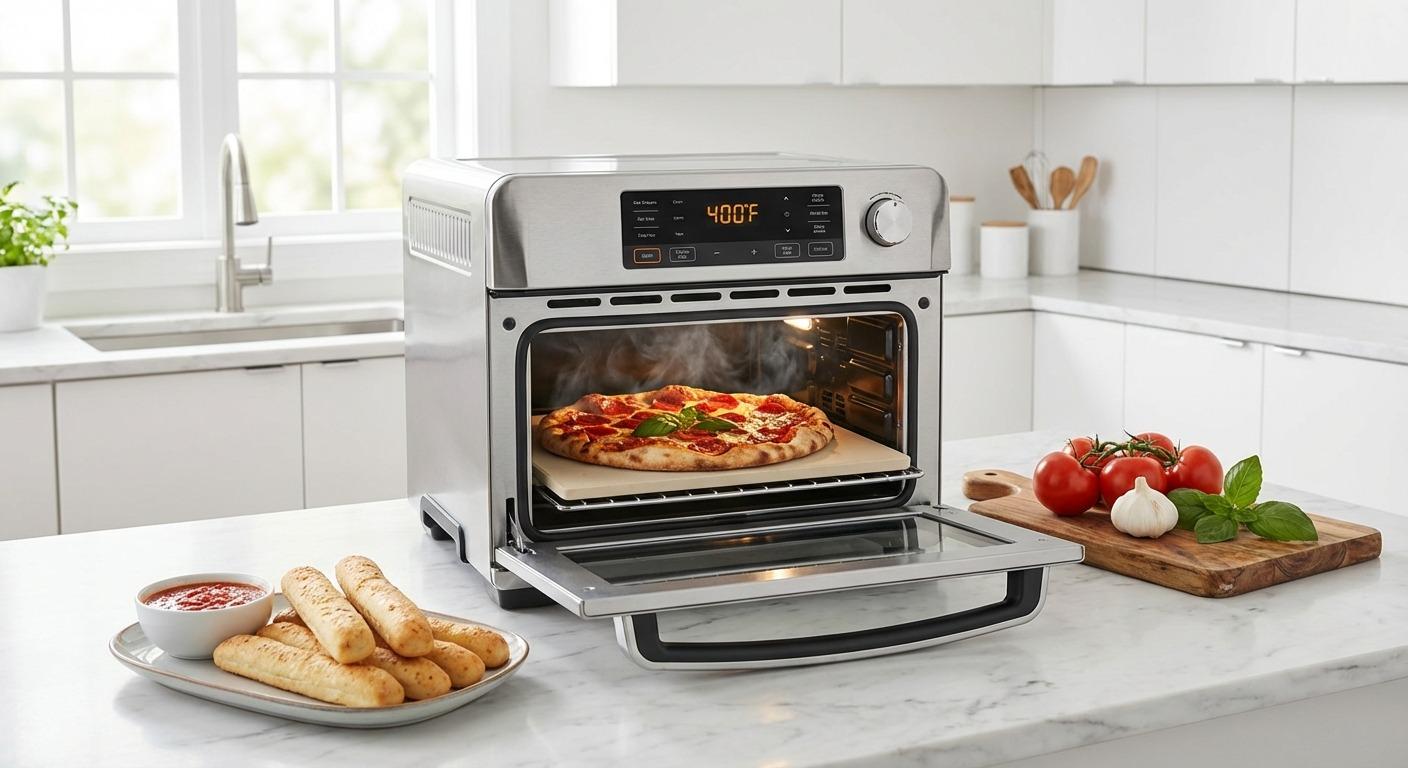
Dr. Vasquez began by highlighting the fundamentals of a kitchen heating element, describing it as the precise power source that delivers controlled heat for optimal cooking results. In products like the Breville Smart Oven Pro, which GUANGDONG WEBO TECHNOLOGY's expertise could enhance through custom components, this element ensures even heat distribution. 'The beauty lies in its ability to adapt,' she noted, emphasizing how advanced designs transfer energy efficiently without waste. Drawing from her experience, she pointed out that a well-engineered kitchen heating element can reduce energy consumption by up to 20%, making it essential for eco-conscious households. This ties directly into kitchen heat transfer principles, where the element's material and structure dictate how quickly and uniformly warmth spreads to your food, preventing hot spots and undercooked areas.
Exploring Specialized Types: From Cooktops to Infrared Innovations
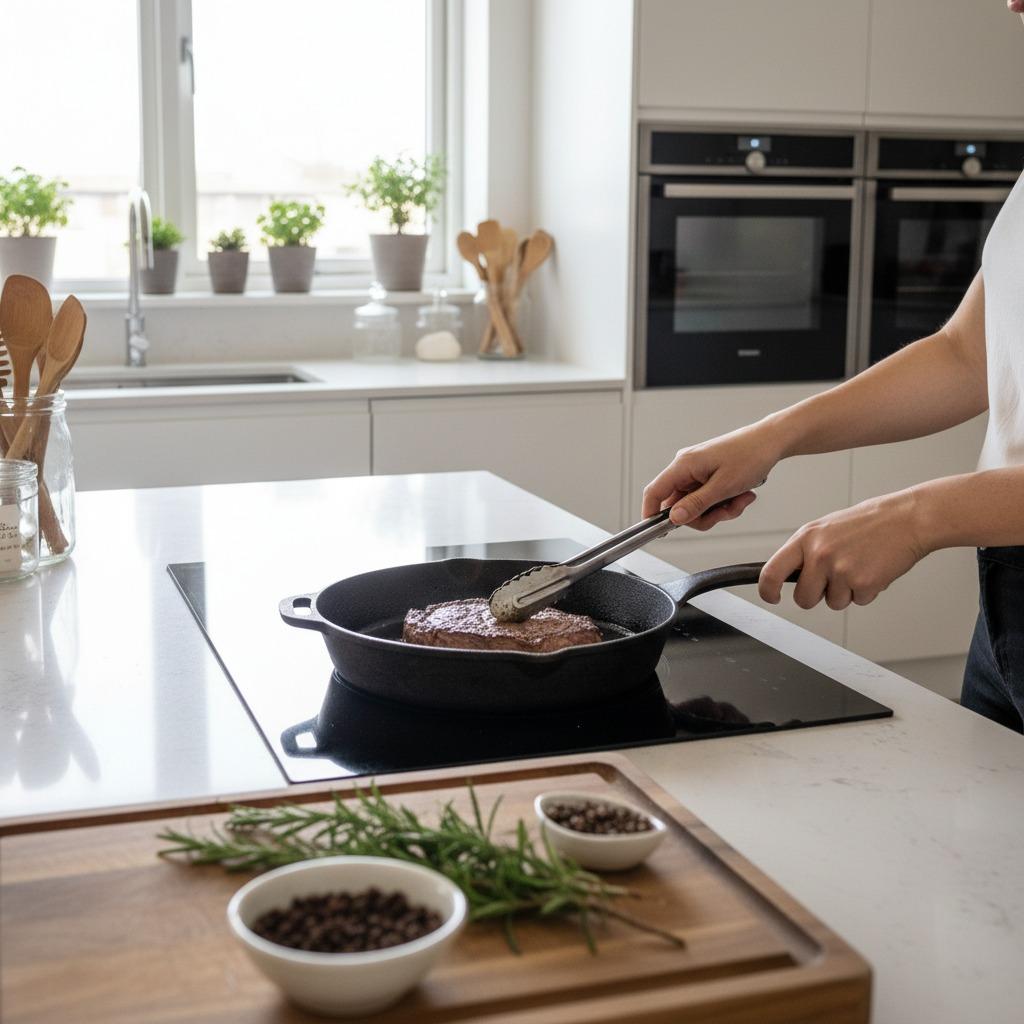
Shifting to specifics, Dr. Vasquez discussed variations like the cooktop heating element, which is vital for induction and electric stovetops. 'In a ceramic cooktop heating element, for instance, the ceramic coating not only withstands high temperatures but also promotes rapid kitchen heat transfer,' she said, explaining how these elements heat up in seconds for searing meats or simmering sauces. She also praised the infrared kitchen heater for its targeted warmth, ideal for countertop use without preheating entire ovens. 'Stainless steel heating elements offer durability in harsh environments,' Vasquez added, noting their corrosion resistance in steamy kitchens. For the kitchen electric heater, she highlighted integration in multi-function appliances, allowing seamless switches between baking and broiling. GUANGDONG WEBO TECHNOLOGY's certified stainless steel heating element options, she implied, align perfectly with these needs, providing robust performance backed by rigorous testing.
Future Trends and Practical Tips from the Expert
Looking ahead, Dr. Vasquez predicted a surge in smart kitchen heating elements integrated with IoT for app-controlled precision. 'Imagine your cooktop heating element adjusting based on recipe apps,' she envisioned, underscoring how such tech enhances safety and convenience. She advised consumers to seek products with even kitchen heat transfer to avoid uneven cooking, recommending maintenance like cleaning coils to prolong life. In her work with firms like GUANGDONG WEBO TECHNOLOGY, she's seen how quality components elevate appliances like the Breville Smart Oven Pro, where the Element IQ system—powered by superior heating elements—delivers restaurant-quality results at home. 'Invest in certified elements,' she urged, 'as they not only ensure compliance but transform your kitchen into a versatile culinary hub.' This interview reveals why the kitchen heating element remains pivotal, blending tradition with cutting-edge innovation for the modern chef.