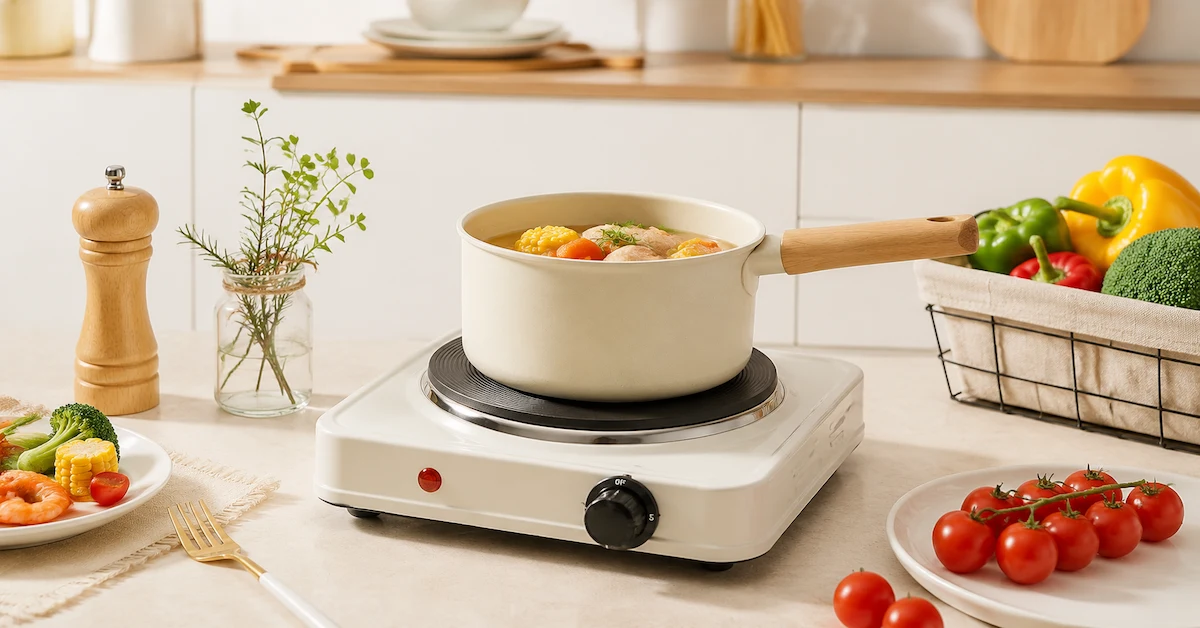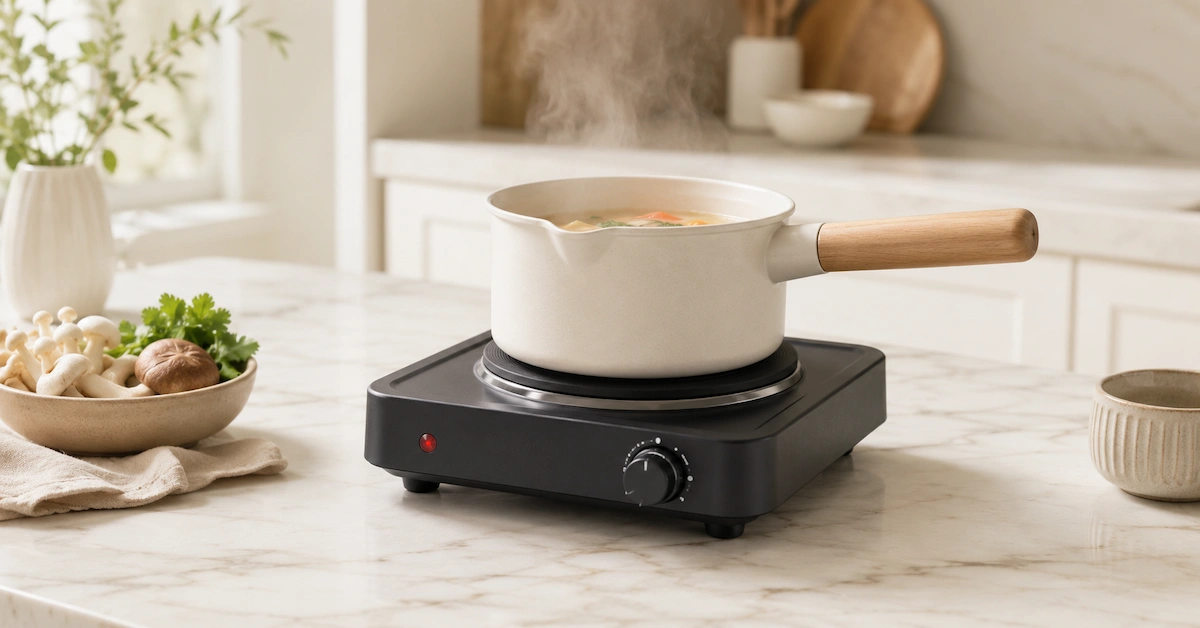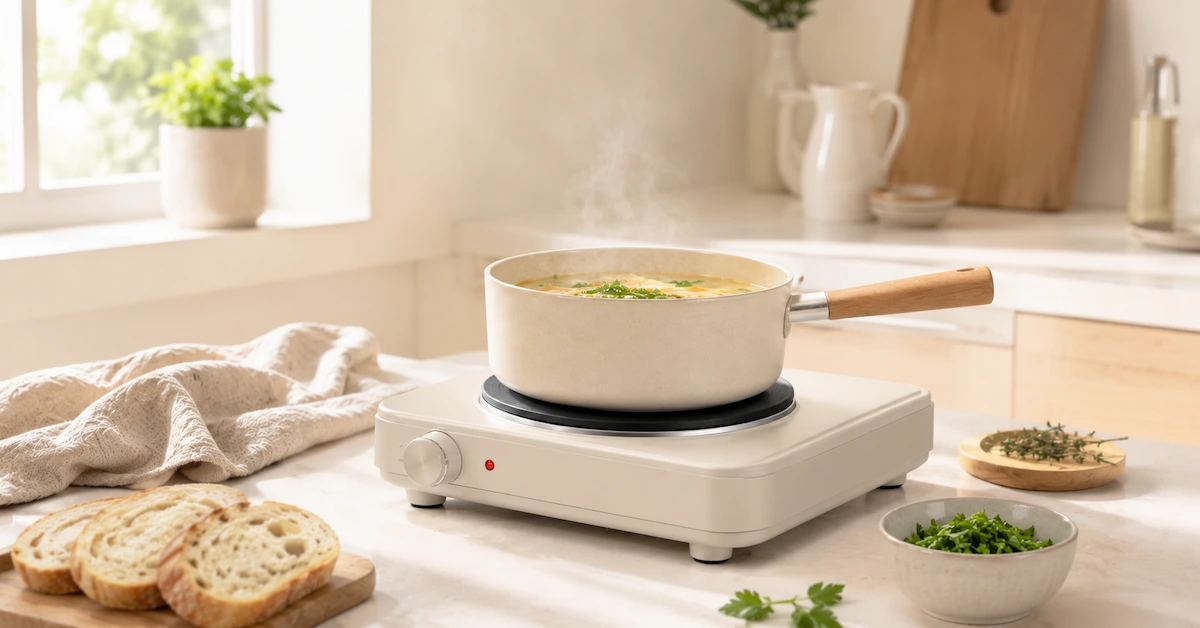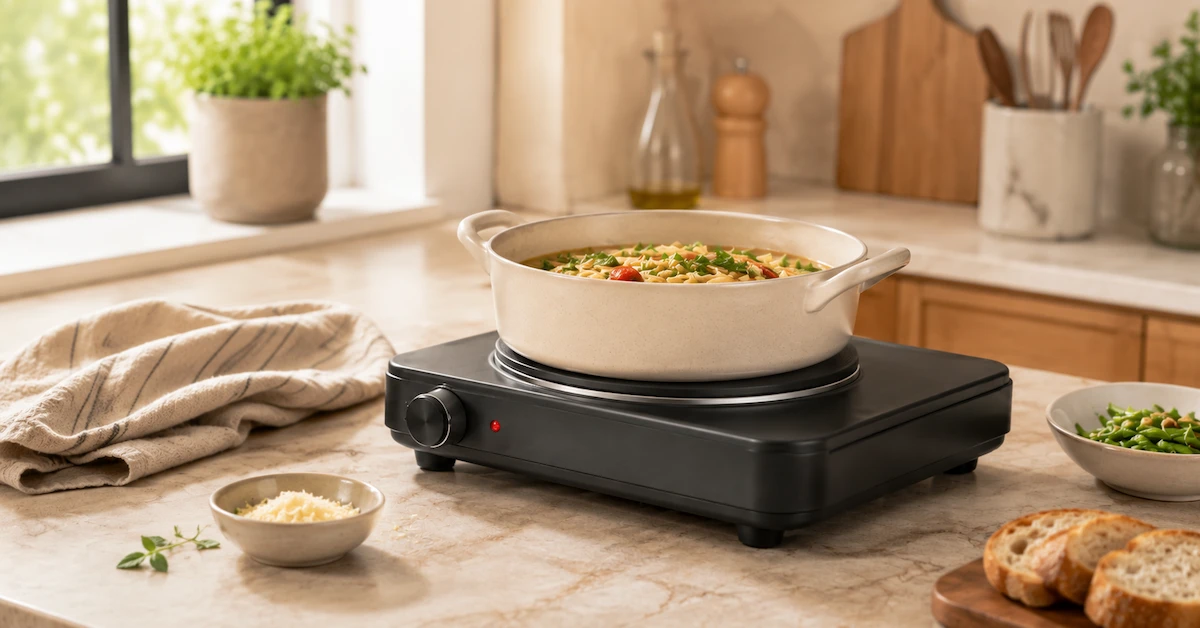



Choosing a reliable solid hot plate bulk supplier is important for electric stove manufacturers, appliance brands, importers, wholesalers, repair-parts distributors, and OEM buyers.
A solid hot plate is a core heating component used in electric stoves, portable cookers, compact kitchen appliances, replacement systems, and selected commercial equipment. Although the component appears simple, its dimensions, voltage, rated power, terminals, mounting structure, surface quality, and heating stability can directly affect the final appliance.
For bulk buyers, the main challenge is not finding one acceptable sample. The real challenge is securing consistent products across hundreds or thousands of units and maintaining the same standard during repeat orders.
A dependable solid hot plate bulk supplier should therefore provide technical confirmation, sample support, batch quality control, suitable packaging, customization options, and realistic production planning.
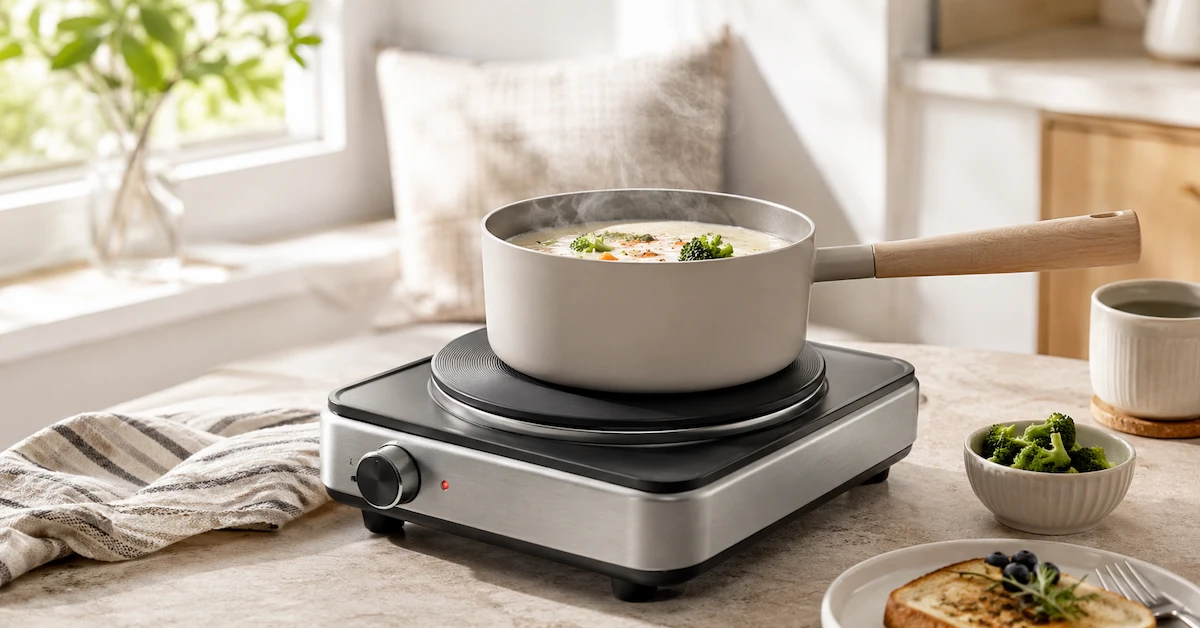
What Is a Solid Hot Plate Bulk Supplier?
A solid hot plate bulk supplier provides electric heating plates in commercial quantities for appliance production, distribution, private label programs, and replacement-parts markets.
Bulk supply usually involves more than offering a discounted unit price. The supplier must be able to maintain:
- Consistent product dimensions
- Stable voltage and power specifications
- Repeatable terminal positions
- Reliable heating performance
- Uniform surface appearance
- Accurate product labeling
- Suitable export packaging
- Predictable repeat-order supply
WEBO offers Hot Plate products together with other appliance heating components. Buyers can review the available categories on the WEBO products page.
Who Needs Bulk Solid Hot Plate Supply?
Different B2B buyers purchase solid hot plates in bulk for different commercial purposes.
| Buyer Type | Main Requirement | Common Purchasing Risk |
|---|---|---|
| Electric stove manufacturers | Stable components for assembly | Size or terminal mismatch |
| Appliance brands | Consistent heating performance | Product complaints and warranty claims |
| Importers | Export-ready products | Packaging and documentation problems |
| Wholesalers | Stable inventory and repeat supply | Specification changes between batches |
| Repair-parts distributors | Replacement compatibility | Inconsistent dimensions or terminals |
| OEM factories | Custom technical matching | Delayed sample approval |
| Private label buyers | Market-ready product lines | Packaging and branding inconsistency |
A professional supplier should first understand how the buyer will use or resell the product before recommending a model.
Why Batch Consistency Matters for Bulk Buyers
A sample may perform well, but mass production can still create problems if the supplier does not control materials, dimensions, terminals, and electrical performance consistently.
Common batch problems include:
- Different heating speeds
- Power variation
- Terminal position changes
- Inconsistent mounting holes
- Surface scratches or coating defects
- Product deformation
- Incorrect labels
- Mixed models inside cartons
- Packaging damage during transportation
These problems can increase incoming inspection costs and delay appliance production. For distributors, they may lead to returns and customer complaints.
A reliable solid hot plate bulk supplier should use the approved sample, technical specification, drawing, and packaging instructions as the reference for every production batch.
Key Specifications to Confirm Before a Bulk Order
Buyers should not place a bulk order based only on product diameter or appearance.
| Specification | Why It Matters |
| Diameter | Determines compatibility with the appliance housing |
| Voltage | Must match the destination market |
| Rated power | Influences heating speed and performance |
| Terminal type | Must fit the electrical connection |
| Terminal position | Affects wiring and assembly efficiency |
| Mounting structure | Ensures stable installation |
| Surface finish | Influences durability and appearance |
| Control compatibility | Must match the selected switch or regulator |
| Certification needs | Supports customer and market requirements |
| Packaging method | Protects the product during delivery |
Common solid hot plate categories may include 90mm, 110mm, and 145mm options. However, buyers should also confirm voltage, power, terminals, installation structure, and application before selecting a model.
How to Evaluate a Solid Hot Plate Bulk Supplier
1. Review Product Knowledge
The supplier should understand how solid hot plates work inside electric stoves and portable cooking appliances.
It should be able to discuss:
- Heating applications
- Voltage and power selection
- Terminal configurations
- Mounting structures
- Switch or regulator compatibility
- Product testing
- Packaging protection
A supplier that only provides a price without checking the application creates a higher sourcing risk.
2. Check Bulk Production Capability
Buyers should ask whether the supplier can support both the initial order and future repeat demand.
Important questions include:
- Can the supplier maintain the approved specification?
- Can it support seasonal demand?
- How are repeat orders controlled?
- Can it handle several product models?
- How are production changes communicated?
- Can packaging remain consistent?
A suitable supplier should provide realistic information instead of promising unrealistic capacity or delivery times.
3. Confirm the Sample Approval Process
Sample testing should take place before bulk production.
The buyer should verify:
- Diameter and structural fit
- Voltage and power
- Heating performance
- Terminal location
- Wiring compatibility
- Mounting stability
- Surface condition
- Packaging protection
The final approved sample should become the reference for mass production.
4. Examine Quality-Control Procedures
A professional solid hot plate bulk supplier should control quality throughout production rather than relying only on a final visual inspection.
Important inspection points include:
- Incoming material inspection
- Product dimension checks
- Surface inspection
- Power testing
- Electrical continuity checks
- Insulation testing
- Terminal inspection
- Heating performance evaluation
- Packaging and quantity checks
For bulk orders, sampling standards and inspection records should be discussed before production.
Bulk Solid Hot Plate Applications
Electric Stove Manufacturing
Electric stove factories use solid hot plates as primary heating components. Stable dimensions, power, terminals, and mounting structures help prevent assembly delays.
Portable Electric Cookers
Portable cooker brands require compact and durable heating systems. Bulk supply allows manufacturers to maintain production without frequent component shortages.
Small Kitchen Appliances
Solid hot plates may be integrated into tabletop cooking equipment and compact heating devices. The selected model must match the housing, control system, and market voltage.
Replacement-Parts Distribution
Repair-parts distributors need consistent models that continue to fit existing appliances. Repeat-order stability is critical because changing dimensions can make previously stocked products incompatible.
Private Label Programs
Importers and wholesalers may develop branded hot plate or appliance component lines with customized labels, cartons, barcodes, and market-specific information.
OEM and ODM Support for Bulk Orders
Standard hot plates may meet many applications, but some buyers require product adaptation.
A capable bulk supplier can support:
- Custom diameter
- Market-specific voltage
- Custom power rating
- Terminal layout modification
- Mounting structure adjustment
- Surface treatment requirements
- Buyer labels
- Barcode support
- Private label packaging
- Custom export cartons
OEM cooperation is suitable when the buyer already has a complete drawing, sample, or fixed specification.
ODM support is useful when the buyer needs the supplier to recommend and modify an existing model according to the appliance application.
After sample approval, the final product should move into controlled bulk production.
Why Export Packaging Matters
Solid hot plates are relatively heavy metal components with exposed terminals. Weak packaging may create damage during warehousing, loading, transportation, and unloading.
Possible shipping problems include:
- Scratched heating surfaces
- Bent terminals
- Deformed housings
- Broken cartons
- Mixed models
- Missing labels
- Moisture exposure
- Difficult warehouse identification
Bulk buyers should confirm:
- Individual product protection
- Internal dividers
- Carton strength
- Quantity per carton
- Model labels
- Barcode requirements
- Carton marks
- Pallet requirements
- Private label packaging
Packaging quality should be included in the supplier evaluation because damaged products increase the real cost of the order.
Cost Factors in a Bulk Solid Hot Plate Order
The unit price is important, but it is not the only cost.
The total purchasing cost may include:
- Sample development
- Custom specification changes
- Tooling requirements
- Quality inspection
- Product packaging
- Private label materials
- Export cartons
- Pallets
- Freight and insurance
- Import duties
- Rework or replacement claims
- Inventory losses caused by incompatible products
A lower unit price may not create real savings if it leads to inconsistent quality, damaged shipments, or high return rates.
What Buyers Should Provide for a Quotation
A complete inquiry allows the supplier to recommend a suitable model and provide a more accurate quotation.
| Required Information | Example |
| Product application | Electric stove, portable cooker, replacement part |
| Required diameter | 90mm, 110mm, 145mm, or custom |
| Voltage and power | Based on the appliance and target market |
| Terminal requirement | Existing wiring or preferred structure |
| Mounting structure | Based on appliance assembly |
| Order quantity | Trial order, bulk order, or annual demand |
| Destination market | Europe, North America, Asia, Africa |
| Certification needs | Based on customer and market requirements |
| Packaging | Bulk carton, barcode, private label, pallet |
| Reference material | Sample, drawing, photo, or specification sheet |
Buyers should also explain whether the project is for appliance production, wholesale distribution, private labeling, or replacement parts.
Buyer Checklist Before Placing a Bulk Order
Before confirming the purchase, check whether the supplier can answer the following questions:
- Does the product match the intended appliance?
- Are voltage and power clearly confirmed?
- Are terminal and mounting structures documented?
- Has the buyer tested and approved a sample?
- Can mass production follow the approved sample?
- Are quality-control steps clearly explained?
- Can the supplier support OEM or ODM requirements?
- Is packaging suitable for international transportation?
- Are product labels and carton marks accurate?
- Can the supplier maintain repeat-order consistency?
- Can it support long-term demand?
- Is there a clear quotation and communication process?
Why Choose WEBO as Your Solid Hot Plate Bulk Supplier?
WEBO provides solid hot plates and related heating components for appliance manufacturers, importers, wholesalers, distributors, and OEM buyers.
Its broader product range includes:
- Hot Plate
- Ceramic Heater
- Tube Heating Element
- Cast Iron Pan Support
- Induction Coil
- Ceramic Glass
- Rotary Switch
- Energy Regulator
As a solid hot plate bulk supplier, WEBO can support:
- Standard solid hot plate models
- Custom product specifications
- OEM and ODM projects
- Sample development
- Bulk production
- Export-oriented packaging
- Private label requirements
- Related cooktop component sourcing
- Long-term supply cooperation
Buyers can review product categories on the WEBO products page.
To understand WEBO’s company and manufacturing background, visit the WEBO About Us page.
For bulk pricing, product samples, drawings, custom specifications, packaging requirements, or annual purchasing plans, submit the project through the WEBO contact page.
FAQ
1. What does a solid hot plate bulk supplier provide?
A solid hot plate bulk supplier provides electric heating plates in commercial quantities for appliance factories, importers, wholesalers, distributors, and OEM buyers.
2. Can buyers order several solid hot plate sizes?
Yes. Buyers can discuss multiple sizes and specifications according to their appliance, distribution, or replacement-parts requirements.
3. Can bulk solid hot plates be customized?
Yes. Diameter, voltage, power, terminals, mounting structure, surface requirements, labels, and packaging can be customized.
4. What information is required for a bulk quotation?
Provide the application, size, voltage, power, terminals, quantity, destination market, packaging, and any available sample or drawing.
5. Why is sample approval important?
Sample approval verifies installation, electrical specifications, heating performance, terminals, surface quality, and packaging before mass production.
6. What packaging is suitable for bulk hot plates?
Suitable packaging may include individual protection, internal dividers, strong export cartons, labels, barcodes, and pallets where needed.
7. Can WEBO support private label orders?
WEBO can discuss buyer labels, barcodes, custom cartons, packaging, OEM specifications, and bulk production requirements.
8. How can buyers receive a quotation?
Send the appliance application, technical requirements, sample or drawing, order quantity, annual demand, and packaging needs through the contact page.
Conclusion
Choosing the right solid hot plate bulk supplier helps buyers reduce product risk, improve assembly compatibility, protect inventory, and maintain stable long-term supply.
A dependable supplier should support technical confirmation, sample approval, batch quality control, customization, export packaging, and consistent repeat orders.
WEBO supplies standard and customized solid hot plates for electric stoves, portable cookers, compact appliances, replacement parts, and private label programs. Buyers can submit specifications, samples, drawings, expected quantities, and destination-market requirements to receive product-matching support and a customized quotation.