


Exploring the Ceramic Cooktop: Innovation in Modern Cooking
In the world of kitchen appliances, the ceramic cooktop stands out as a pinnacle of efficiency and design. This technology, often integrated into seamless countertops, utilizes radiant heating elements beneath a smooth, heat-resistant surface to deliver precise cooking control. At GUANGDONG WEBO TECHNOLOGY Co., LTD, we specialize in high-quality kitchen solutions that blend functionality with sophistication, and our ceramic cooktop offerings reflect our commitment to excellence. With certifications like VDE, TUV, UL, CE, and ROHS, plus adherence to ISO 9001 and ISO 14001 standards, our products ensure safety and reliability for households worldwide.
Understanding Glass Ceramic Cooktop Technology
The glass ceramic cooktop represents a refined evolution in cooking surfaces, combining the durability of glass with the thermal properties of ceramics. This type of ceramic cooktop features a flat, glossy surface made from materials like Ceran or Schott Ceran, which can withstand temperatures up to 700°C without cracking. Beneath this layer, halogen or coil elements generate heat through radiation, transferring it directly to pots and pans. Unlike traditional coil stoves, the glass ceramic cooktop heats up quickly—reaching full temperature in seconds—and cools down rapidly after use, minimizing accident risks. For technical enthusiasts, the key lies in the material's low thermal expansion coefficient, which prevents warping under heat stress. At our company, with over 500 employees driving innovation and an annual turnover of $40 million, we engineer these glass ceramic cooktops to integrate seamlessly into modern kitchens, offering even heat distribution for tasks like simmering sauces or searing meats.
Induction Ceramic Cooktop: The Next-Level Efficiency
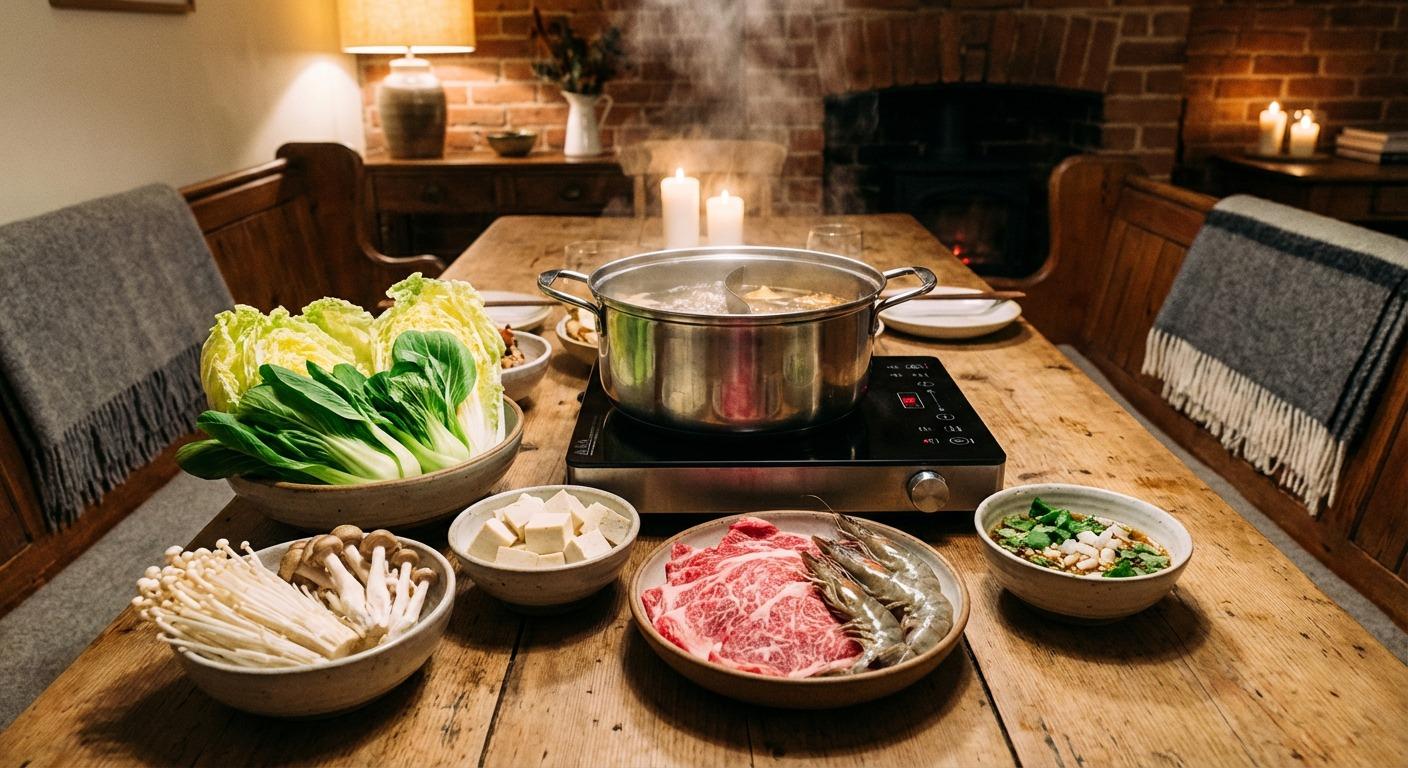
Advancing beyond basic radiant models, the induction ceramic cooktop incorporates electromagnetic technology for unparalleled precision. Here, the ceramic cooktop surface overlays copper coils that create a magnetic field, inducing heat directly in ferromagnetic cookware. This method boasts up to 90% energy efficiency, compared to 70% for standard electric models, as it eliminates wasted heat in the air. Safety is paramount: the surface remains cool to the touch outside the pot's base, reducing burn hazards. Technically, the induction ceramic cooktop operates at frequencies between 20-50 kHz, allowing for instant response to power adjustments via touch controls or dials. GUANGDONG WEBO TECHNOLOGY Co., LTD integrates this into our versatile electric hot pot sets, where the induction base supports stainless steel pots for communal dining. Our rigorous testing ensures compatibility with various cookware, making it ideal for precise temperature control in applications like fondue or stir-fries.
Ceramic Cooktop vs Electric: A Technical Comparison
When comparing ceramic cooktop vs electric alternatives, several factors highlight the former's superiority. Traditional electric cooktops use exposed coils that heat slowly and retain heat longer, posing safety issues and cleanup challenges due to food spills on coils. In contrast, a ceramic cooktop provides a wipeable surface that's easier to maintain, with zoned heating for multi-tasking—each burner independently controlled up to 12 power levels. Energy-wise, while both are electric, ceramic models like our glass ceramic cooktop variants consume less power through optimized insulation layers, often featuring thermal fuses that cut power at 600°C for overload protection. Durability tests show ceramic surfaces resisting scratches from utensils better than enameled metals. For those upgrading kitchens, the ceramic cooktop vs electric debate often favors the sleek aesthetics and faster boil times of ceramic options, aligning with our company's goal to deliver certified, user-centric appliances that enhance daily cooking.
Essential Ceramic Cooktop Accessories for Optimal Performance
To maximize the potential of your ceramic cooktop, selecting the right accessories is crucial. Ceramic cooktop accessories include specialized cleaners like Cerama Bryte, formulated with mild abrasives to remove residue without scratching the glass. For installation, leveling kits ensure even contact, preventing hot spots. In our product lineup at GUANGDONG WEBO TECHNOLOGY Co., LTD, accessories extend to portable adapters for countertop ceramic cooktop units, allowing flexibility in small spaces. Scrapers with razor edges safely remove burnt-on food, while heat-resistant trivets protect the surface during cooling. Technically, these accessories are designed to match the cooktop's thermal conductivity—around 1.4 W/mK for glass ceramics—ensuring no interference with heat transfer. For induction variants, magnetic cookware detectors verify compatibility, optimizing efficiency.
Countertop Ceramic Cooktop: Portability and Versatility
The countertop ceramic cooktop offers a portable solution for renters or supplemental cooking needs. These compact units, often single- or double-burner, mirror full-size models in performance but fit on any surface. Power ratings typically range from 1000-2000W, with overheat protection via bimetallic thermostats. In integration with our electric hot pot sets, the countertop ceramic cooktop serves as a base for stainless steel pots, enabling quick setup for meals featuring sliced beef, shrimp, napa cabbage, and enoki mushrooms. Easy controls allow simmering at 80-100°C for broths or higher for boils. Our company's expertise ensures these units are lightweight (under 5kg) yet robust, with cord lengths up to 1.8m for convenience. This versatility makes the countertop ceramic cooktop a game-changer for modern, space-conscious lifestyles.
In summary, whether opting for a glass ceramic cooktop, induction ceramic cooktop, or portable countertop model, these appliances elevate cooking with technical precision and style. At GUANGDONG WEBO TECHNOLOGY Co., LTD, we're dedicated to providing certified solutions that meet your needs, backed by our global standards and innovative spirit.