


Understanding Ceramic Glass Hot Plates vs. Traditional Electric Hot Plates
In the world of modern kitchens, the Ceramic Glass Hot Plate stands out as a sleek, efficient cooking solution that's revolutionizing how we prepare meals at home. Unlike older coil-based models, this innovative appliance uses a smooth glass cooking surface that heats up quickly and distributes warmth evenly, making it ideal for everything from simmering sauces to searing steaks. As a leading manufacturer, GUANGDONG WEBO TECHNOLOGY Co., LTD brings over 500 employees' expertise and an annual turnover of $40 million to craft products certified by VDE, TUV, UL, CE, and ROHS standards, ensuring safety and reliability in every unit.
Comparing Ceramic Glass Hot Plates to Induction Ceramic Plates
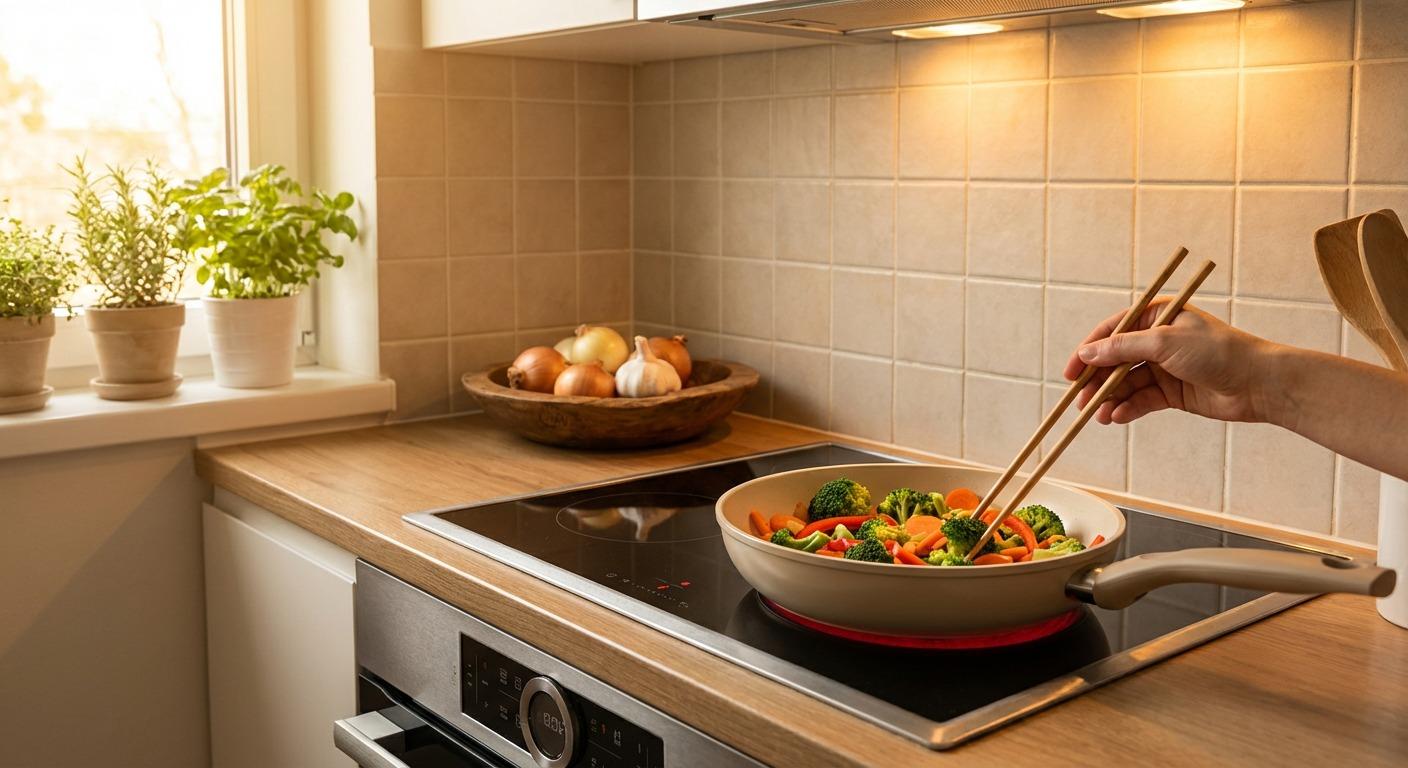
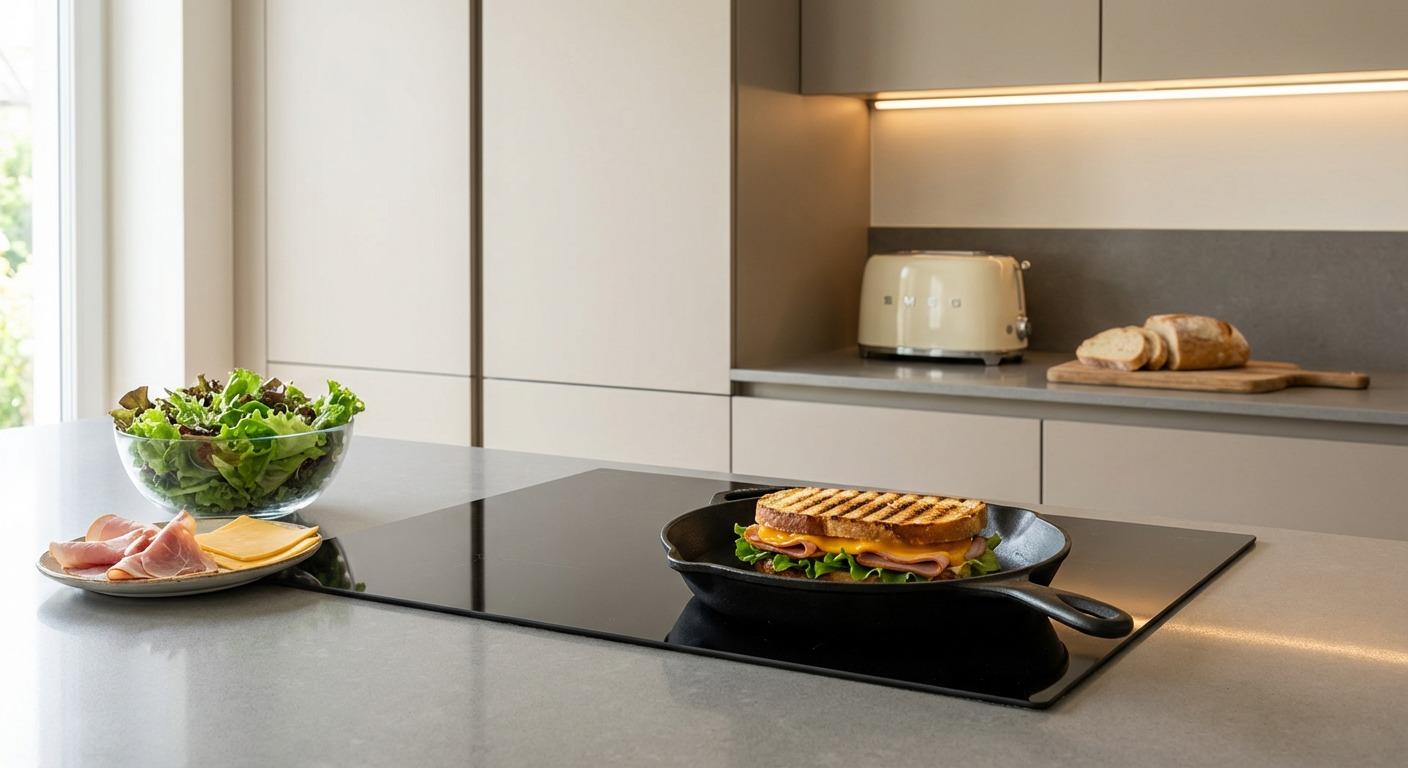
When pitting the Ceramic Glass Hot Plate against an Induction Ceramic Plate, the differences become clear in both performance and versatility. The standard Ceramic Glass Hot Plate operates via radiant heat beneath the glass cooking surface, compatible with a wide array of cookware like our premium cast iron grill pans that retain heat beautifully for even cooking. This makes it a go-to for households without induction setups, offering portability and ease for renters or small spaces. In contrast, the Induction Ceramic Plate uses magnetic fields to heat only compatible pots directly, which can be faster and more energy-efficient but limits users to specific ferromagnetic materials. Our Electric Hot Plate designs at GUANGDONG WEBO TECHNOLOGY emphasize ISO 9001 and ISO 14001 compliance, providing a broader appeal without the compatibility hassles of induction.
Glass Cooking Surface: Ceramic Hot Plates vs. Ceramic Cookware
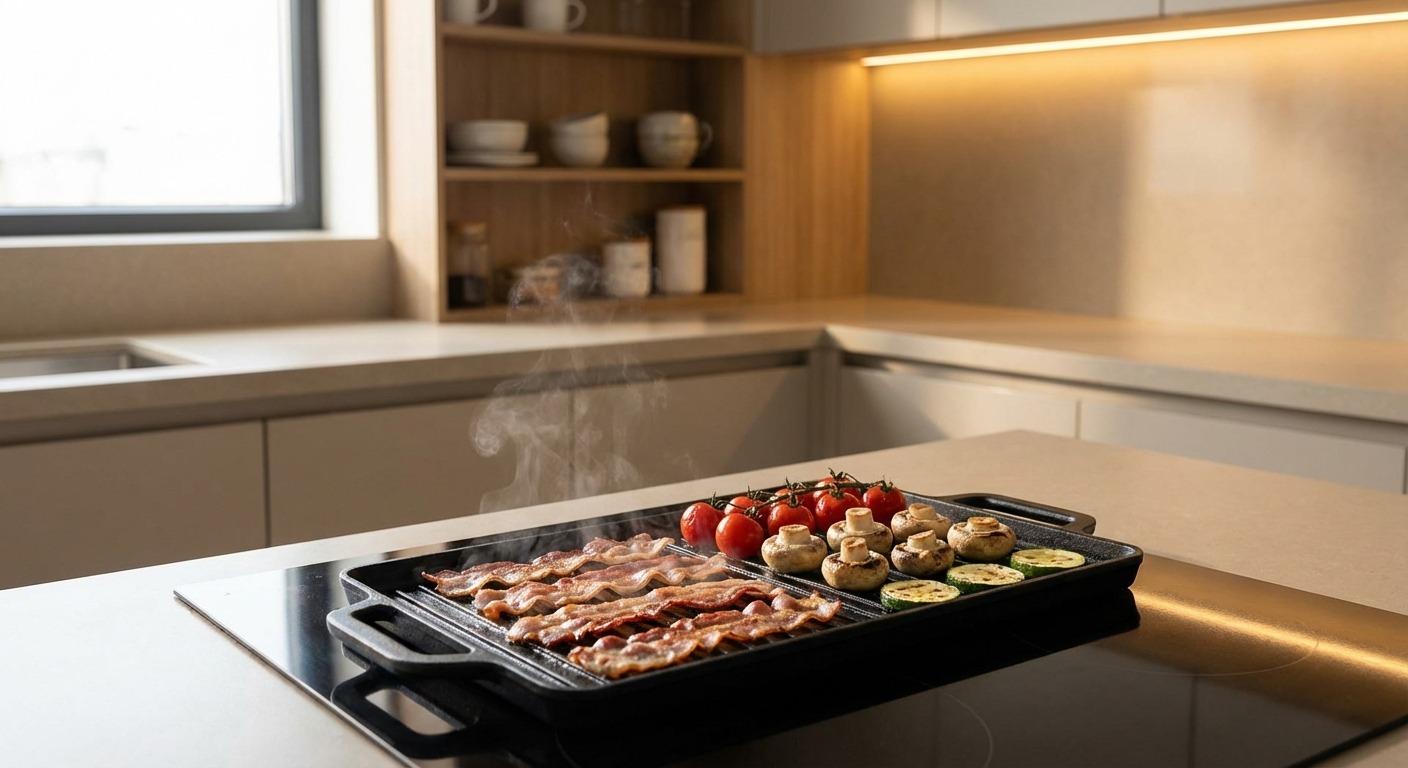
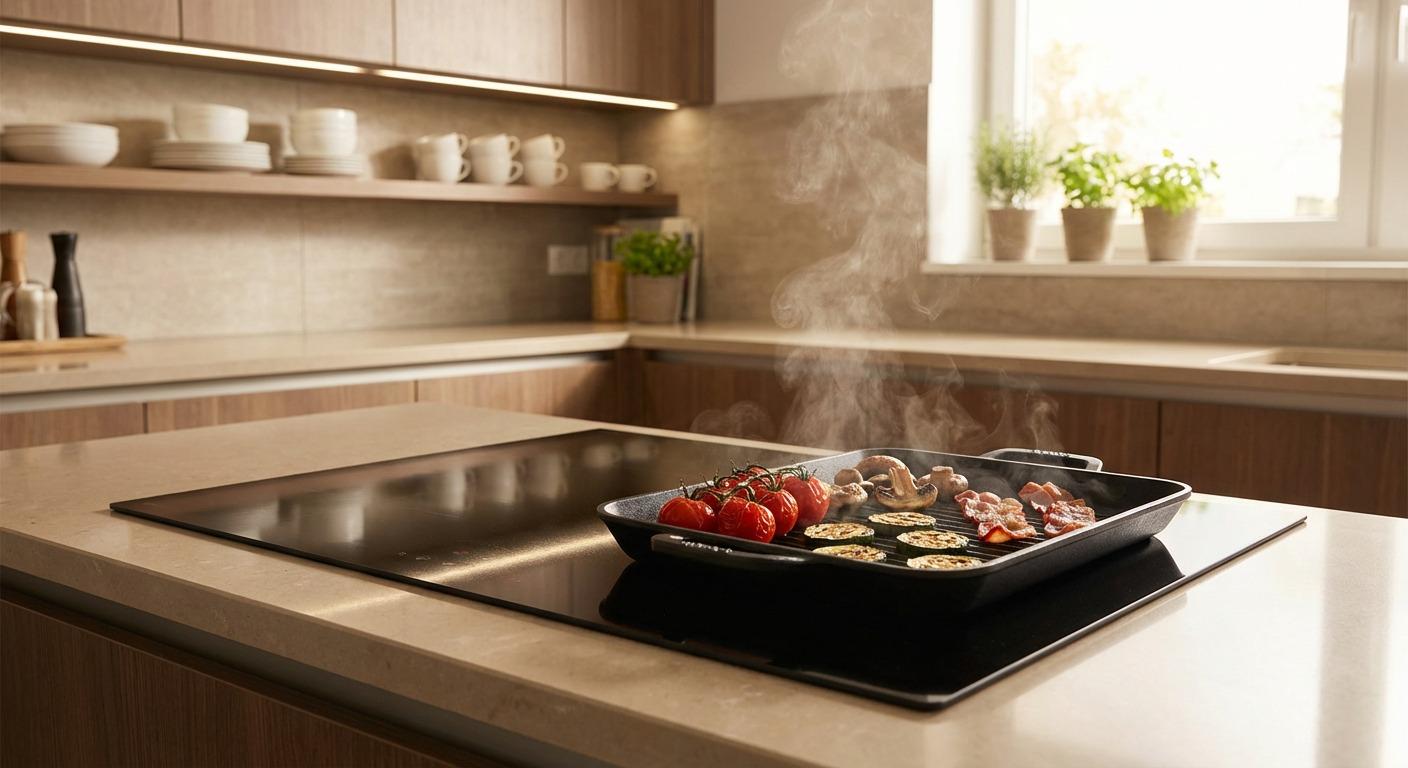
Delving deeper, the Glass Cooking Surface of a Ceramic Glass Hot Plate offers a stark contrast to standalone Ceramic Cookware items like grill pans. The hot plate's flat, durable surface mimics a full Kitchen Cooktop, allowing multiple dishes to cook simultaneously—think bacon, tomatoes, mushrooms, and zucchini all sizzling together without flavor crossover, thanks to its even heat distribution. Ceramic Cookware, such as our cast iron models with ribbed designs for grill marks, excels in heat retention and non-stick evolution over time but requires a heat source like the hot plate to function. A Portable Ceramic Hot Plate adds mobility, perfect for outdoor events or dorms, whereas bulkier ceramic cookware stays rooted in the kitchen. This comparison highlights how combining the two, as recommended by GUANGDONG WEBO TECHNOLOGY, creates a seamless, gourmet cooking experience with minimal cleanup—high-rimmed pans prevent splatters, keeping your setup pristine.
Versatility of Kitchen Cooktops: Traditional vs. Modern Ceramic Options
Finally, evaluating a full Kitchen Cooktop reveals how the Ceramic Glass Hot Plate integrates into larger systems compared to traditional gas or electric alternatives. Traditional cooktops often involve open flames or exposed coils that pose safety risks and cleaning challenges, while the Ceramic Glass Hot Plate's enclosed design ensures a safer, cooler-to-touch exterior, aligning with our company's commitment to quality under strict certifications. For those seeking portability, the Portable Ceramic Hot Plate shines in contrast to fixed Kitchen Cooktops, offering the same smooth glass cooking surface for on-the-go meals. Whether contrasting energy use—where ceramic options like ours save power through precise controls—or aesthetic appeal, with the hot plate's elegant look enhancing any countertop, it's evident that modern ceramic solutions outperform their predecessors. At GUANGDONG WEBO TECHNOLOGY, we prioritize innovation to meet diverse needs, turning everyday cooking into efficient, stylish artistry that elevates your home meals to professional levels.
This blend of comparison underscores the Ceramic Glass Hot Plate's edge in efficiency, safety, and adaptability, making it a must-have for contemporary kitchens.