



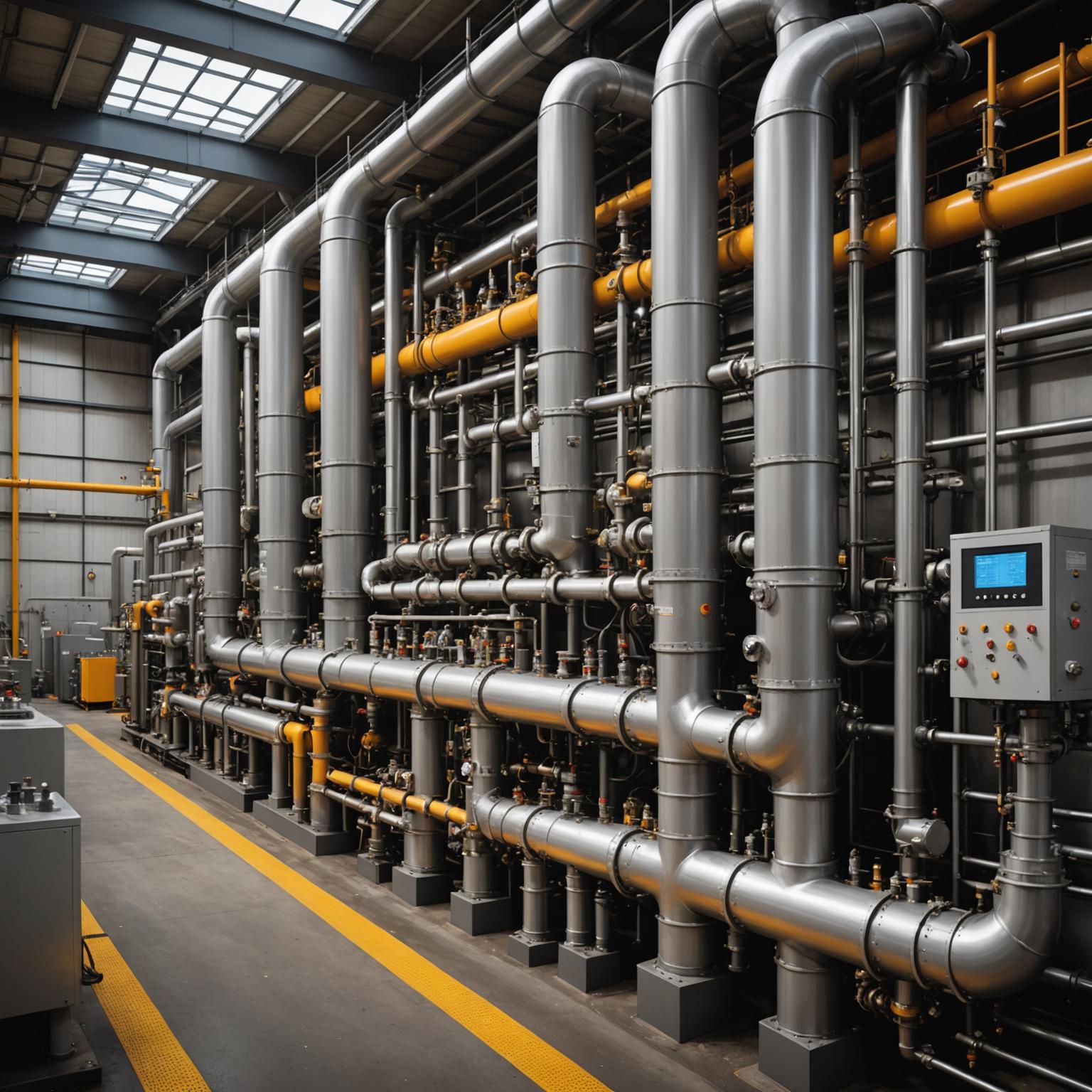
Understanding the Foundation of Industrial Heating Systems
In the realm of industrial and manufacturing processes, the selection and implementation of a proper heating pipe system are paramount for operational success. A heating pipe is not merely a conduit but a critical component that dictates the efficiency, reliability, and safety of applications ranging from metalworking to chemical processing. The effectiveness of any heating system is directly tied to the quality of its components, the materials used, and the precision of its design. As technology advances, the methods for heating these pipes have evolved, with systems like induction heating offering unparalleled control and performance, ensuring that every segment of the pipe receives uniform and consistent thermal energy for tasks like forging, hardening, or bending.
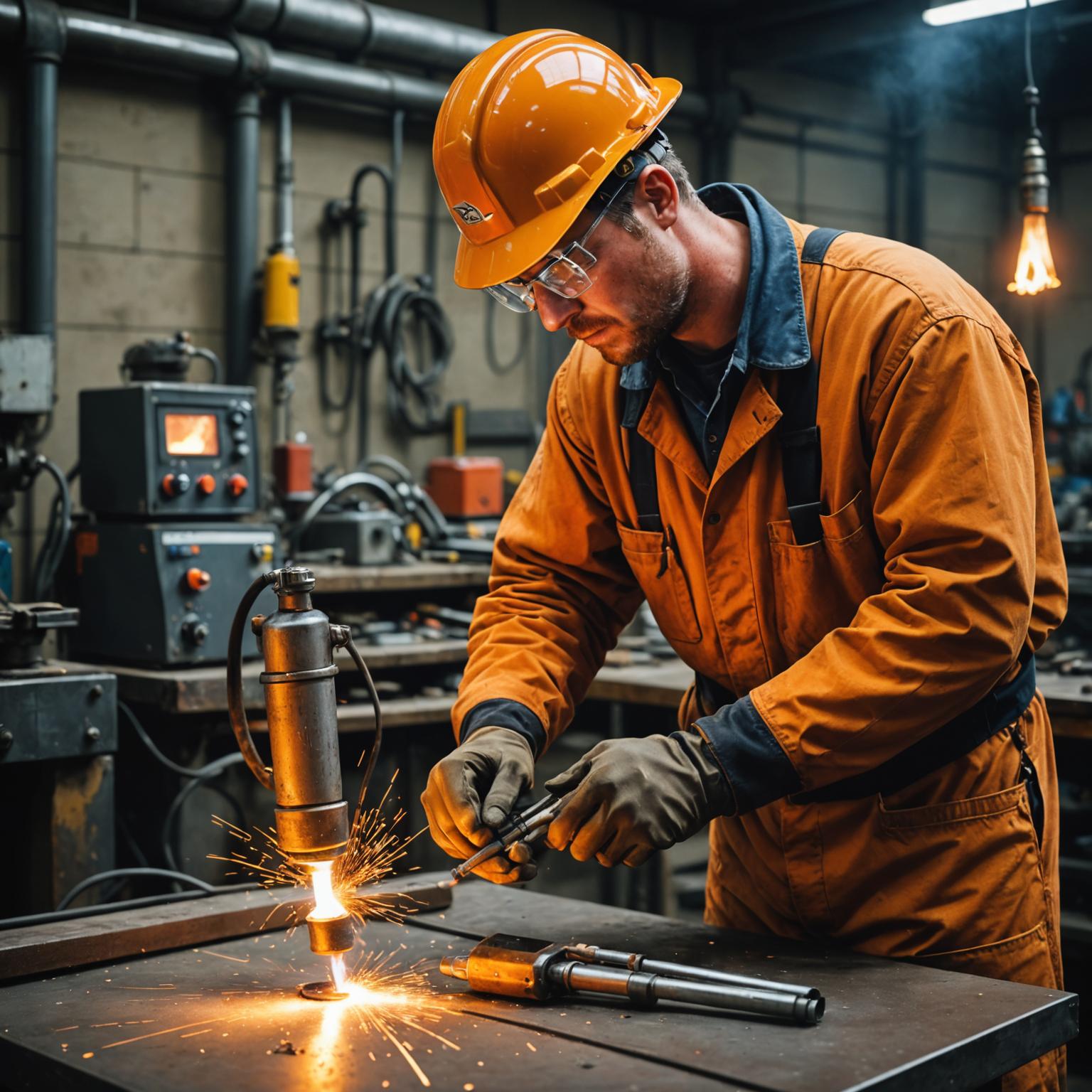
The Critical Role of Materials: Steel Heating Pipes
When it comes to constructing a robust heating system, material choice is the first and most crucial decision. For high-stress, high-temperature environments, steel heating pipes are often the industry standard. Their inherent strength, durability, and resistance to high pressures make them ideal for demanding industrial applications. Steel can withstand significant thermal cycling without compromising its structural integrity, which is essential for processes requiring rapid heating and cooling. Furthermore, the versatility of steel allows for various alloys and treatments to enhance specific properties, such as corrosion resistance or thermal conductivity. Using high-quality steel heating pipes ensures a longer service life for the entire system, reduces maintenance requirements, and provides a reliable foundation for consistent production output. The reliability of steel heating pipes is a cornerstone of modern manufacturing.
Optimizing Performance: Heating Pipe Heating Efficiency
Achieving maximum heating pipe heating efficiency is a key objective for any operation, as it directly impacts energy consumption and production costs. Efficiency is determined by several factors, including the pipe material's thermal conductivity, the quality of insulation, and the method of heat application. Modern solutions, such as advanced induction heating systems, revolutionize energy transfer. By using high-conductivity copper coils, these systems generate a magnetic field that heats the pipe directly and internally. This method minimizes heat loss to the surrounding environment and ensures incredibly rapid and uniform temperature distribution. Superior heating pipe heating efficiency means that energy is used precisely where it is needed, reducing waste and allowing for precise control over the metallurgical properties of the material being worked. This level of control is simply unattainable with older, less direct heating methods.
Ensuring System Integrity: A Heating Pipe Sizing Guide
Proper sizing is a critical aspect of system design that is often overlooked. Following a detailed heating pipe sizing guide is essential for ensuring optimal performance and safety. The diameter and wall thickness of the pipe must be carefully calculated based on the fluid or gas being transported, the required flow rate, operating pressures, and temperature differentials. An undersized pipe can lead to excessive pressure drops and insufficient flow, bottlenecking the entire process. Conversely, an oversized pipe can be inefficient and unnecessarily expensive. A comprehensive heating pipe sizing guide helps engineers balance these factors to design a system that operates at peak efficiency, avoids undue stress on components, and delivers the required thermal energy precisely and reliably. It is a foundational step in engineering a successful and long-lasting heating infrastructure.
Components and Control: Essential Heating Pipe Accessories
A heating system is more than just the pipe itself; it is a complex assembly of interconnected parts. The right heating pipe accessories are vital for control, safety, and functionality. These components include induction coils, advanced control interfaces, temperature sensors, valves, and automated safety shutoffs. For instance, a state-of-the-art induction system may feature high-performance copper coils for energy transfer and a sophisticated control unit that allows for precise adjustments of temperature and timing. These heating pipe accessories enable operators to tailor the heating process to exact specifications. Safety features like automated overheating shutoffs and heat-resistant enclosures protect both the operator and the equipment. Investing in high-quality heating pipe accessories ensures that the entire system works cohesively, providing the precision and reliability needed for high-stakes industrial applications.