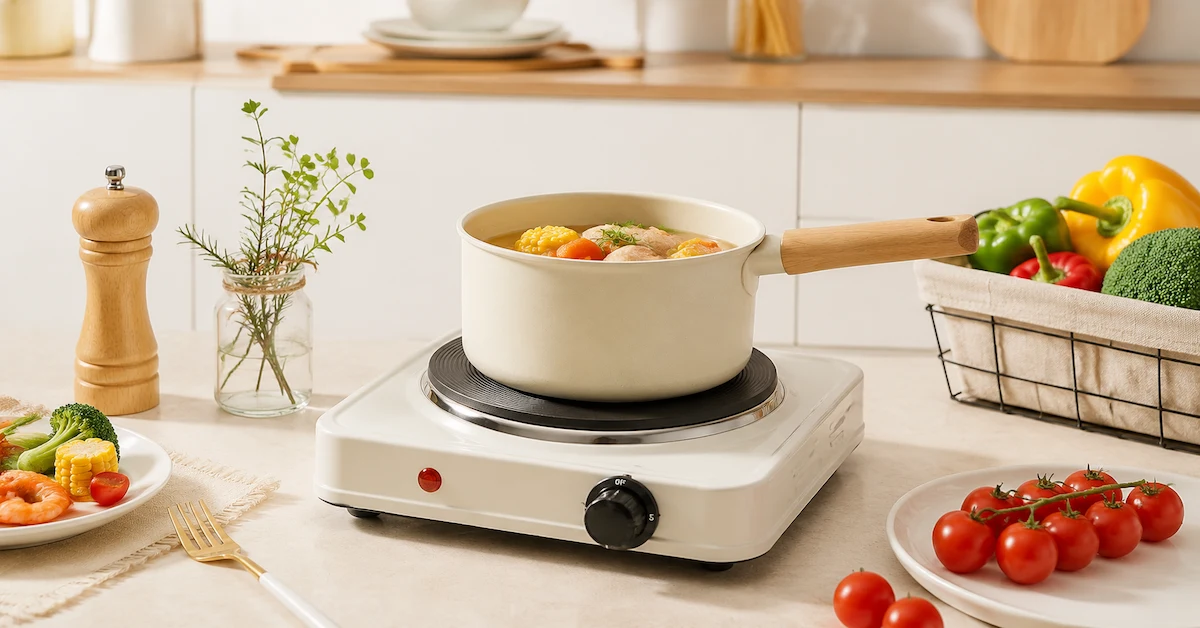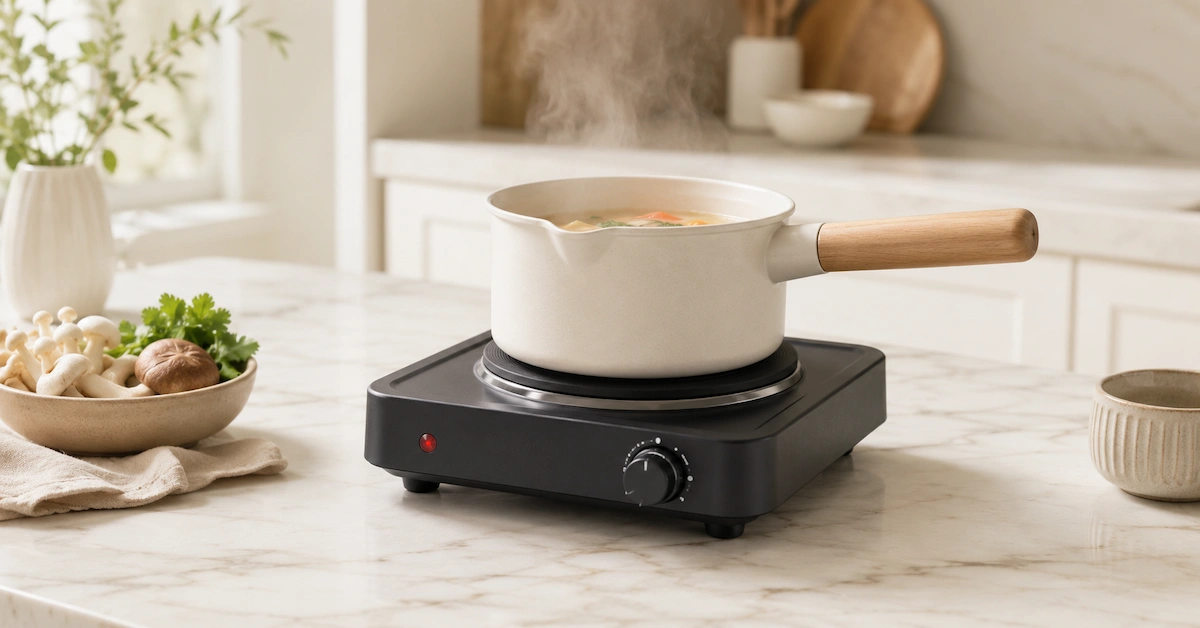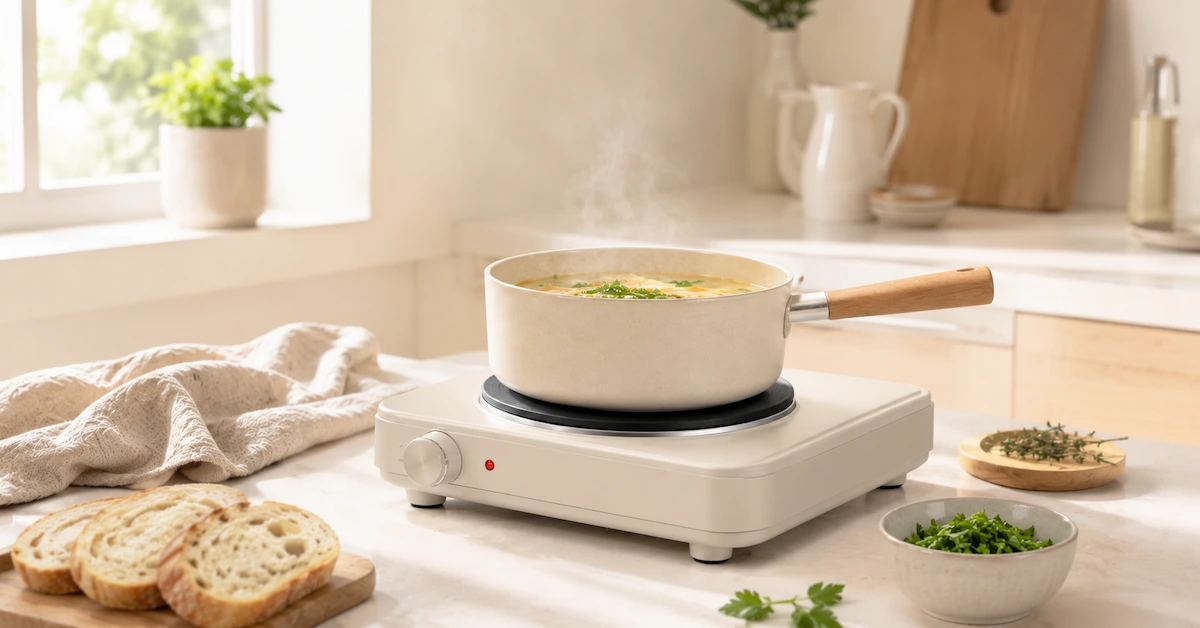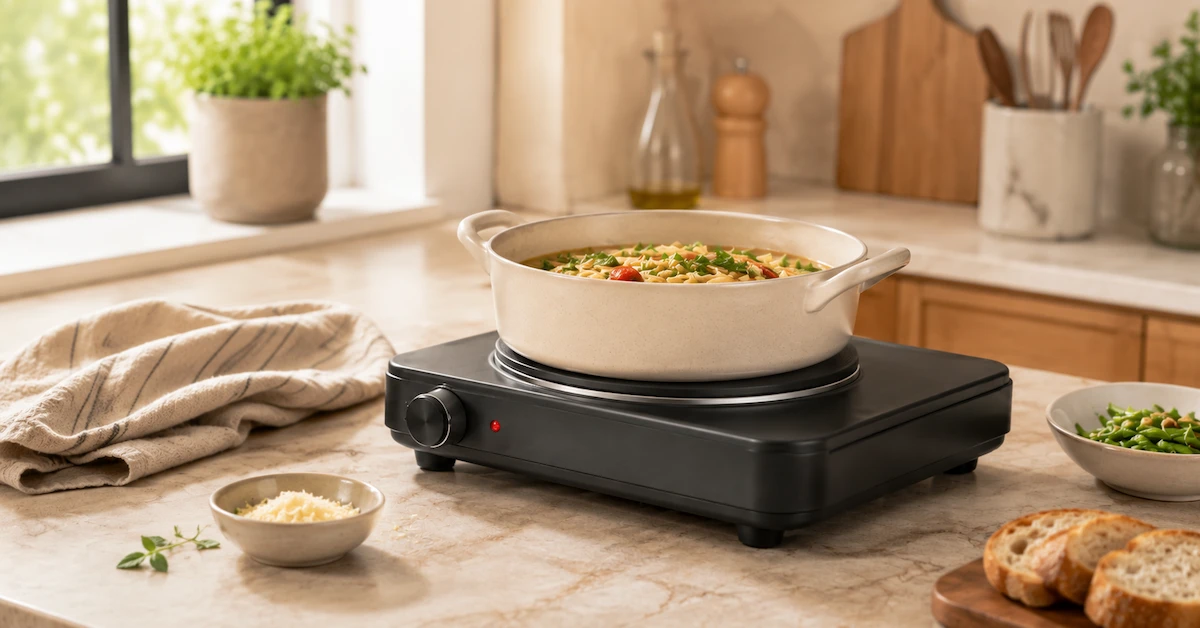



Choosing a reliable hot plate exporter is important for appliance importers, wholesalers, distributors, OEM buyers, and repair parts suppliers. A hot plate is a core heating component used in electric stoves, portable cookers, cooktops, small kitchen appliances, and replacement heating systems. For global buyers, the challenge is not only finding a product that can heat. The real challenge is finding a supplier who can deliver stable quality, correct specifications, export-ready packaging, certification support, and repeatable bulk supply.
When buyers source hot plates from overseas, small mistakes can become costly. Wrong voltage, unstable power, poor terminal structure, weak packaging, or missing documents may lead to shipment delays, product returns, customer complaints, and lost market trust.
That is why choosing the right hot plate exporter is a practical supply chain decision for B2B buyers.
Why Global Buyers Need a Reliable Hot Plate Exporter
Importing appliance heating components requires more than comparing product photos and unit prices. A professional exporter should understand product specifications, export packaging, documentation, certification requirements, and long-term supply planning.
A reliable hot plate exporter helps buyers:
- Reduce sourcing and communication risks
- Confirm correct size, voltage, and power
- Secure stable batch quality
- Support bulk and repeat orders
- Prepare export-ready packaging
- Meet market certification requirements
- Support OEM or private label projects
- Improve after-sales reliability
WEBO provides hot plates as part of its complete heating element product range. Buyers can review related product categories on the WEBO products page.
Who Usually Buys Hot Plates for Export?
Different customer groups have different purchasing priorities. A good exporter should understand these differences instead of offering the same solution to every buyer.
| Buyer Type | Main Requirement | Key Concern |
|---|---|---|
| Appliance importers | Stable products for local markets | Certification, packaging, repeat supply |
| Wholesale distributors | Multiple SKUs and bulk pricing | Batch consistency and stock planning |
| Electric stove brands | Product compatibility | Size, voltage, power, terminal structure |
| OEM appliance factories | Custom technical matching | Samples, drawings, production control |
| Repair parts suppliers | Replacement compatibility | Standard size and terminal stability |
| Private label buyers | Brand-ready product support | Labels, cartons, packaging, documentation |
For importers and distributors, product stability is directly connected to customer trust. A hot plate that performs well in one batch but changes in the next batch can create serious market problems.
Key Product Specifications to Confirm Before Export Orders
Before working with a hot plate exporter, buyers should confirm all technical details clearly. This step helps avoid wrong models and reduces the risk of disputes after shipment.
| Specification | Why It Matters |
| Diameter | Must match the appliance or replacement market |
| Voltage | Must suit the destination country |
| Power | Affects heating speed and user experience |
| Surface finish | Influences durability and product appearance |
| Terminal type | Must match wiring and assembly structure |
| Mounting method | Affects installation and compatibility |
| Packaging | Protects goods during long-distance shipping |
| Certification | Supports import and market compliance |
If the buyer has a sample or technical drawing, it should be shared before quotation. This helps the exporter confirm the correct hot plate model faster.
Export Packaging Matters for Hot Plate Orders
Hot plates are metal heating components. During international transport, poor packaging may cause surface scratches, terminal deformation, edge impact, or carton damage. For wholesalers and importers, damaged products reduce profit and create customer complaints.
A professional hot plate exporter should consider:
- Inner protection for each product
- Strong export cartons
- Pallet packing when needed
- Clear product labels
- SKU identification
- Barcode or private label support
- Moisture and impact protection
- Mixed model packing requirements
For buyers selling through wholesale or repair parts channels, packaging is not only for protection. It also affects warehouse management, resale efficiency, and brand presentation.
Why Certification Support Is Important
For global appliance buyers, certification requirements depend on the target market. Some buyers need CE or RoHS for European markets. Others may request UL, VDE, TUV, or ISO-related support based on their product category and customer requirements.
Certification support helps buyers reduce market entry risk and improve confidence with local customers.
Before placing an export order, buyers should discuss:
- Required destination market
- Product application
- Certification documents
- Testing requirements
- Environmental compliance
- Customer audit needs
- Packaging and labeling requirements
WEBO has long-term heating element manufacturing experience and supports global customers with appliance heating components. Buyers can learn more about WEBO through the company introduction page.
OEM and Private Label Support for Export Buyers
Many global buyers do not only need standard hot plates. Importers, distributors, and appliance brands often need OEM or private label support to match their market strategy.
A capable hot plate exporter can support:
- Custom hot plate size
- Custom voltage and power
- Terminal structure adjustment
- Mounting structure matching
- Surface treatment options
- Private label packaging
- Custom carton labels
- Barcode support
- Sample confirmation before bulk orders
For appliance brands, OEM support helps match the hot plate with the final product design. For distributors, private label support helps build a stronger product line and improve resale value.
Common Applications for Export Hot Plates
Electric Stoves
Electric stoves require reliable heating plates with stable power output, suitable surface durability, and correct installation structure.
Portable Electric Cookers
Portable cookers need compact, durable, and easy-to-assemble hot plates. Buyers usually care about size, heating speed, and safety performance.
Cooktop Heating Systems
Cooktop applications require accurate matching between the hot plate, appliance housing, control system, and user operation design.
Replacement Parts Markets
Repair parts distributors need hot plates with consistent dimensions and terminal structures. Repeat order stability is especially important in this market.
Small Kitchen Appliances
Small appliance manufacturers may use hot plates as the core heating component. Stable quality helps reduce after-sales risk and improve brand reputation
How to Evaluate a Hot Plate Exporter
1. Check Product and Factory Experience
A reliable exporter should understand heating elements, not just international sales. Experience in hot plates and related components helps the supplier answer technical questions more accurately.
2. Review Product Range
A supplier with a wider heating component range can support more complete appliance projects. WEBO’s product categories include Hot Plate, Ceramic Heater, Tube Heating Element, Cast Iron Pan Support, Induction Coil, Ceramic Glass, Rotary Switch, and Energy Regulator.
3. Confirm Export Experience
Export buyers should ask whether the supplier has experience with international shipments, packaging, documentation, and different market requirements.
4. Ask About Sample Testing
Sample testing helps confirm product size, heating performance, surface quality, terminal structure, packaging, and compatibility before mass production.
5. Check Communication Quality
A professional exporter should ask about application, destination market, voltage, power, quantity, packaging, certification, and OEM needs. If the supplier only quotes a price without checking details, the sourcing risk is higher.
What Buyers Should Prepare Before Requesting a Quote
To get an accurate quotation from a hot plate exporter, prepare the following information:
| Information | Example |
| Product application | Electric stove, portable cooker, repair part |
| Destination market | Europe, North America, Asia, Africa, etc. |
| Required size | 90mm, 110mm, 145mm, or custom size |
| Voltage and power | Based on local market requirement |
| Order quantity | Trial order, wholesale order, container order |
| Terminal type | Based on wiring and assembly |
| Certification needs | CE, RoHS, UL, VDE, TUV |
| Packaging | Bulk carton, private label, barcode, pallet |
| Sample or drawing | Existing sample, photo, or technical drawing |
| Delivery plan | Urgent order, repeat order, seasonal stock |
Clear information helps the exporter recommend the right model and provide a more realistic price and lead time.
Common Mistakes in Hot Plate Export Sourcing
Choosing Only by Low Price
Low price may reduce the first purchase cost, but poor quality can increase long-term losses through returns, complaints, and damaged reputation.
Not Confirming Destination Market Requirements
Voltage, certification, labeling, and packaging needs may vary by country. Buyers should confirm these details before production.
Ignoring Packaging Strength
International shipping can be rough. Weak cartons or poor inner protection may damage products before they reach the customer.
Skipping Sample Approval
Sample approval is important for confirming performance, installation, terminal connection, and packaging before bulk production.
Not Planning Repeat Orders
Wholesale and distribution buyers should confirm whether the exporter can support stable repeat production and consistent specifications.
Why Choose WEBO as Your Hot Plate Exporter?
WEBO supports global B2B buyers with hot plates and related appliance heating components. Its product range covers Hot Plate, Ceramic Heater, Tube Heating Element, Cast Iron Pan Support, Induction Coil, Ceramic Glass, Rotary Switch, and Energy Regulator.
As a hot plate exporter, WEBO can support:
- Electric hot plate supply
- Solid hot plate products
- OEM and ODM customization
- Bulk export orders
- Private label packaging
- Export carton support
- Related cooktop heating components
- Long-term cooperation for global distributors
WEBO is suitable for appliance importers, electric stove brands, wholesalers, repair parts suppliers, OEM buyers, and private label customers.
To review available heating element categories, visit the WEBO products page. For samples, drawings, bulk export orders, or custom requirements, contact WEBO with your project details.
FAQ
1. What does a hot plate exporter supply?
A hot plate exporter supplies electric hot plates for overseas buyers, including appliance importers, wholesalers, distributors, OEM factories, and repair parts suppliers.
2. What information is needed for a hot plate export quotation?
Buyers should provide application, destination market, size, voltage, power, quantity, terminal type, certification needs, packaging requirements, and samples or drawings if available.
3. Can export hot plates be customized?
Yes. Hot plates can be customized by size, voltage, power, terminal structure, mounting method, surface treatment, packaging, and private label requirements.
4. What certifications are important for hot plate exports?
Certification needs depend on the market. Common requirements may include CE, RoHS, UL, VDE, TUV, and ISO-related quality management support.
5. Are hot plates suitable for wholesale distribution?
Yes. Hot plates are suitable for wholesale appliance parts distribution, repair parts programs, electric stove supply, and portable cooker markets.
6. Why is packaging important for export hot plates?
Hot plates are metal heating components. Strong packaging helps prevent scratches, terminal damage, deformation, and shipping loss during international transport.
7. How can I contact WEBO for export hot plate orders?
You can send your specifications, destination market, quantity, packaging needs, and sample requirements through the WEBO contact page.
Conclusion
Choosing a reliable hot plate exporter helps global appliance buyers reduce sourcing risk, secure stable quality, and build a stronger heating component supply chain. Before placing an order, buyers should check product specifications, export packaging, certification support, sample approval, OEM capability, communication quality, and long-term supply capacity.
For appliance importers, wholesalers, distributors, OEM factories, and repair parts suppliers, WEBO provides hot plates and related heating element solutions for global B2B applications. You can also visit the WEBO blog for more heating component selection guides and export sourcing insights.