


Understanding Kitchen Heating Elements and Their Importance
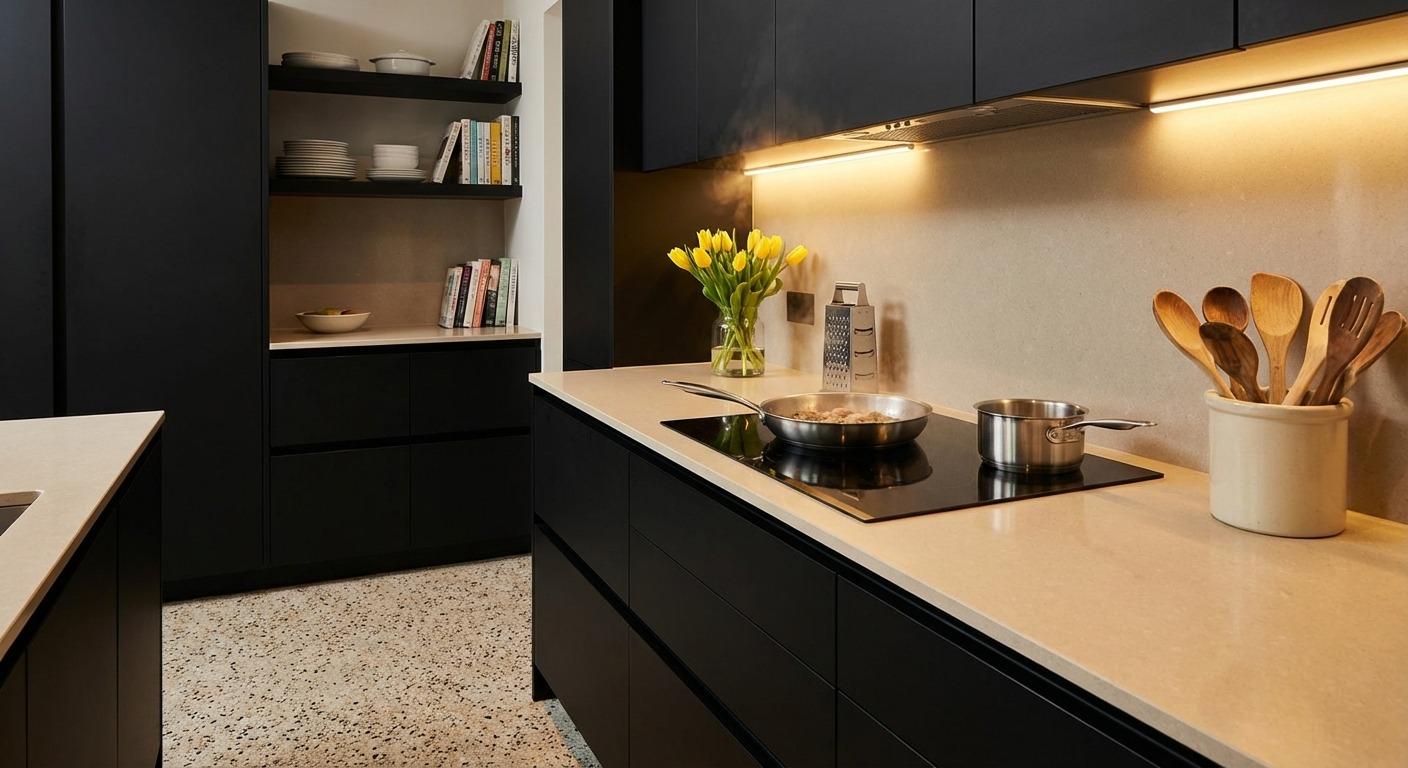
Kitchen heating element is the backbone of any efficient cooking setup, powering everything from stoves to portable heaters in your home. As a leading manufacturer at GUANGDONG WEBO TECHNOLOGY Co., LTD, we specialize in high-quality components certified by VDE, TUV, UL, CE, and ROHS standards, ensuring safety and performance. With over 500 employees and an annual turnover of $40 million, our commitment to ISO 9001 and ISO 14001 standards means you get reliable products for your modern kitchen. Whether upgrading your space or integrating into sleek designs like matte black cabinetry with polished stone countertops, selecting the right kitchen heating element enhances functionality and aesthetics.
Step 1: Selecting the Right Type of Kitchen Stove Heating Element
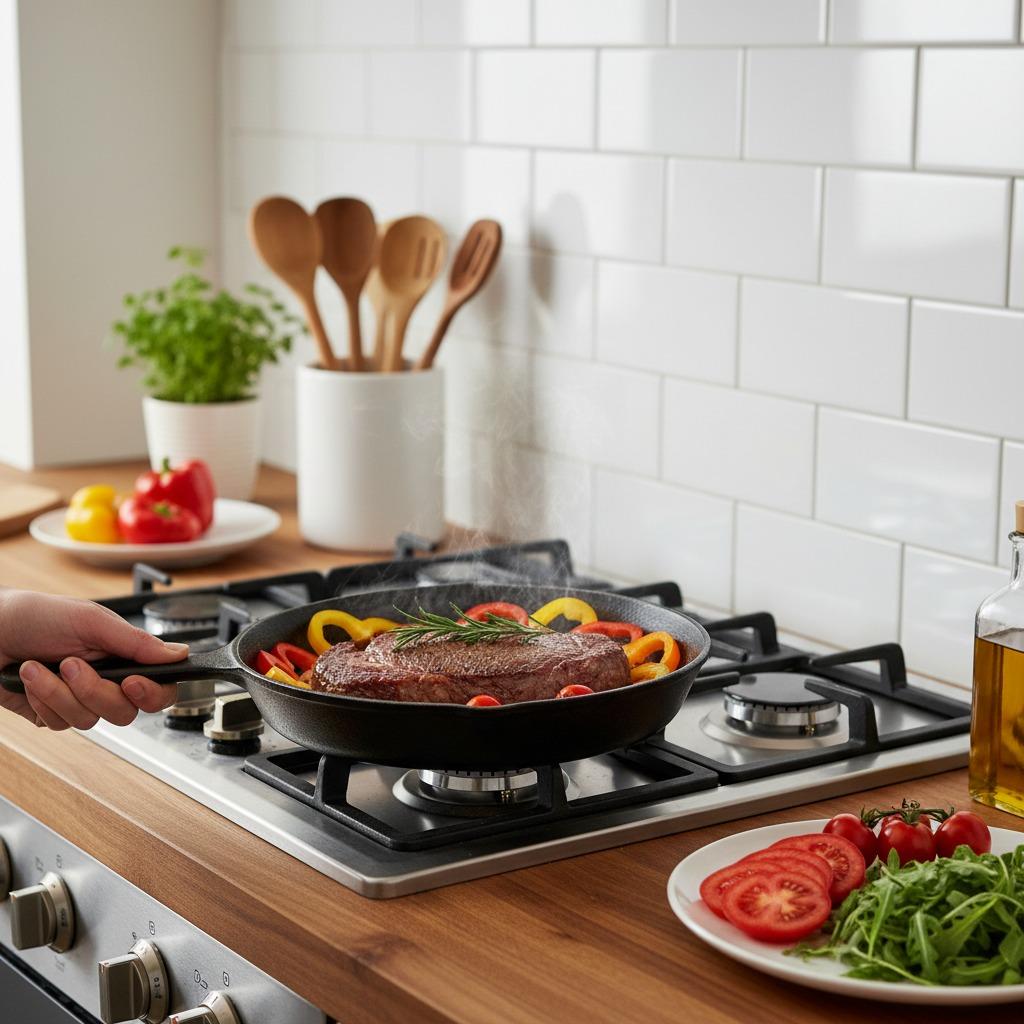
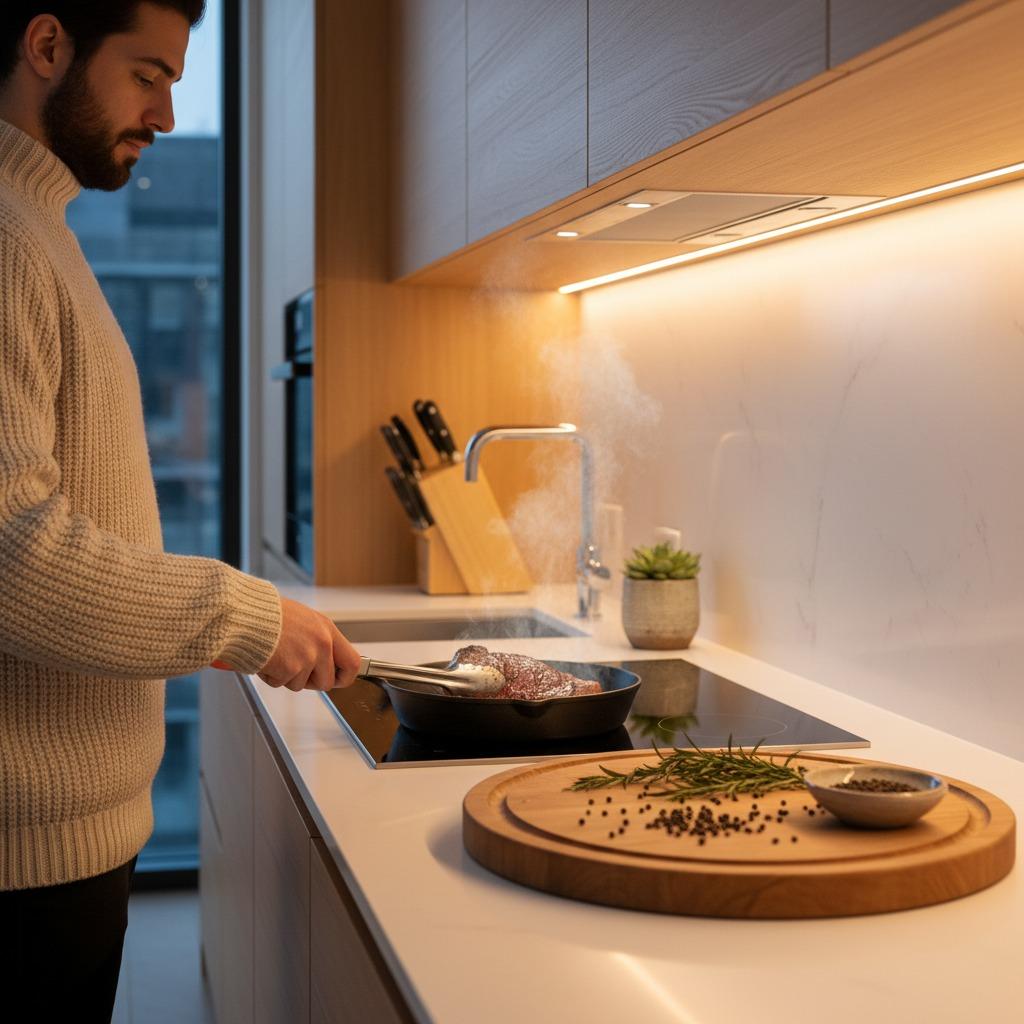
Start by identifying your needs for a kitchen stove heating element, which directly impacts cooking precision. Begin with assessing your stove type—electric coil, radiant, or halogen. Measure the existing element's dimensions to ensure compatibility, typically ranging from 6 to 12 inches in diameter. At GUANGDONG WEBO TECHNOLOGY Co., LTD, our kitchen stove heating elements are designed for quick heating and even distribution, ideal for seamless integration with induction cooktops. Check voltage requirements (usually 120V or 240V) and wattage (around 1000-3000W) to match your appliance. Remove the old element by disconnecting power, unscrewing terminals, and lifting it out. Test the new one for continuity with a multimeter before installation to avoid electrical issues. This step ensures your kitchen stove heating element operates efficiently, complementing under-cabinet lighting for a well-illuminated workspace.
Step 2: Installing Hot Plate Heating Elements for Portable Cooking
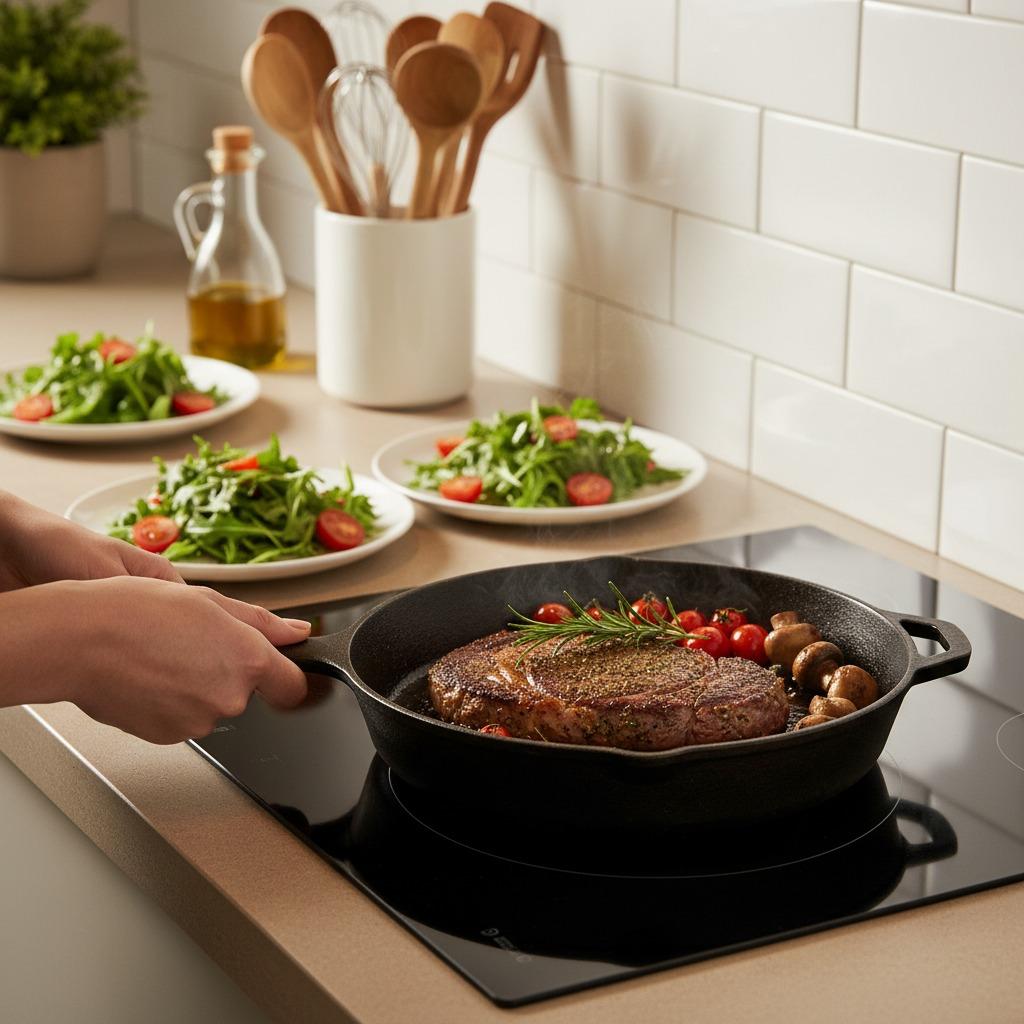
For versatile options, hot plate heating elements offer portability without sacrificing power. Choose elements made from durable nichrome wire for resistance to high temperatures, suitable for small kitchens or supplemental cooking. Position the hot plate on a heat-resistant surface, away from flammable materials. Connect the heating element by securing terminals with insulated connectors, ensuring all wires are properly stripped and crimped. Power it on at a low setting to test for uniform heating—our ROHS-compliant hot plate heating elements from GUANGDONG WEBO TECHNOLOGY Co., LTD heat up in under 30 seconds. Clean the surface regularly with a damp cloth to maintain performance. This installation is perfect for renters or those with minimalist setups, blending with open shelving for displaying cookbooks while keeping essentials organized.
Step 3: Incorporating Kitchen Space Heaters for Cozy Environments
Beyond cooking, a kitchen space heater keeps your area warm during colder months, using safe ceramic or oil-filled kitchen heating elements. Select a model with thermostat controls and tip-over protection for safety. Place it in an open area, at least 3 feet from cabinets or countertops, to prevent overheating. Plug into a grounded outlet and set the temperature to 68-72°F for comfort. Our UL-certified kitchen space heaters at GUANGDONG WEBO TECHNOLOGY Co., LTD feature energy-efficient elements that reduce electricity costs. Monitor for any unusual noises or smells during initial use, adjusting vents if needed. Integrate it with your kitchen's industrial chic accents, like polished metal utensils, for a cohesive look that elevates the space.
Step 4: Upgrading to Kitchen Radiant Heaters and Induction Cooktop Heating Elements
For advanced setups, kitchen radiant heaters provide infrared warmth, ideal for spot heating under open shelving. Mount them securely on walls using provided brackets, wiring to a dedicated circuit. Test the radiant coils for even glow before full operation. Similarly, for an induction cooktop heating element, ensure your cookware is compatible (ferrous metal only). Install by sliding the unit into the countertop cutout, securing with clips, and connecting to power. Our CE-approved induction cooktop heating elements offer precise temperature control up to 460°F, perfect for the culinary enthusiast. Pair with fresh tulips in a vase for a vibrant touch. Regular maintenance, like descaling, keeps everything running smoothly, transforming your kitchen into a high-performance hub.
Maintenance Tips for Long-Lasting Kitchen Heating Elements
To maximize durability, clean all kitchen heating elements monthly, avoiding abrasive materials. For stove or hot plate types, unplug first and wipe with a vinegar solution. Inspect wiring for frays and replace if damaged—our TUV-certified products from GUANGDONG WEBO TECHNOLOGY Co., LTD are built to last with robust construction. Monitor energy usage to detect inefficiencies early. By following these steps, your kitchen heating element, whether for cooking or warmth, will serve reliably, enhancing your modern, fashion-forward home lifestyle.