


The heart of any modern electric oven is its resistance oven heater, a critical component responsible for transforming electrical energy into the consistent, reliable heat needed for all your baking, roasting, and broiling endeavors. Understanding how this part works and how to maintain it is key to ensuring your appliance performs at its best for years to come. Whether you're a passionate home baker or simply rely on your oven for daily meals, this guide will walk you through the essentials of your oven’s heating system, empowering you to get the most out of your culinary investment.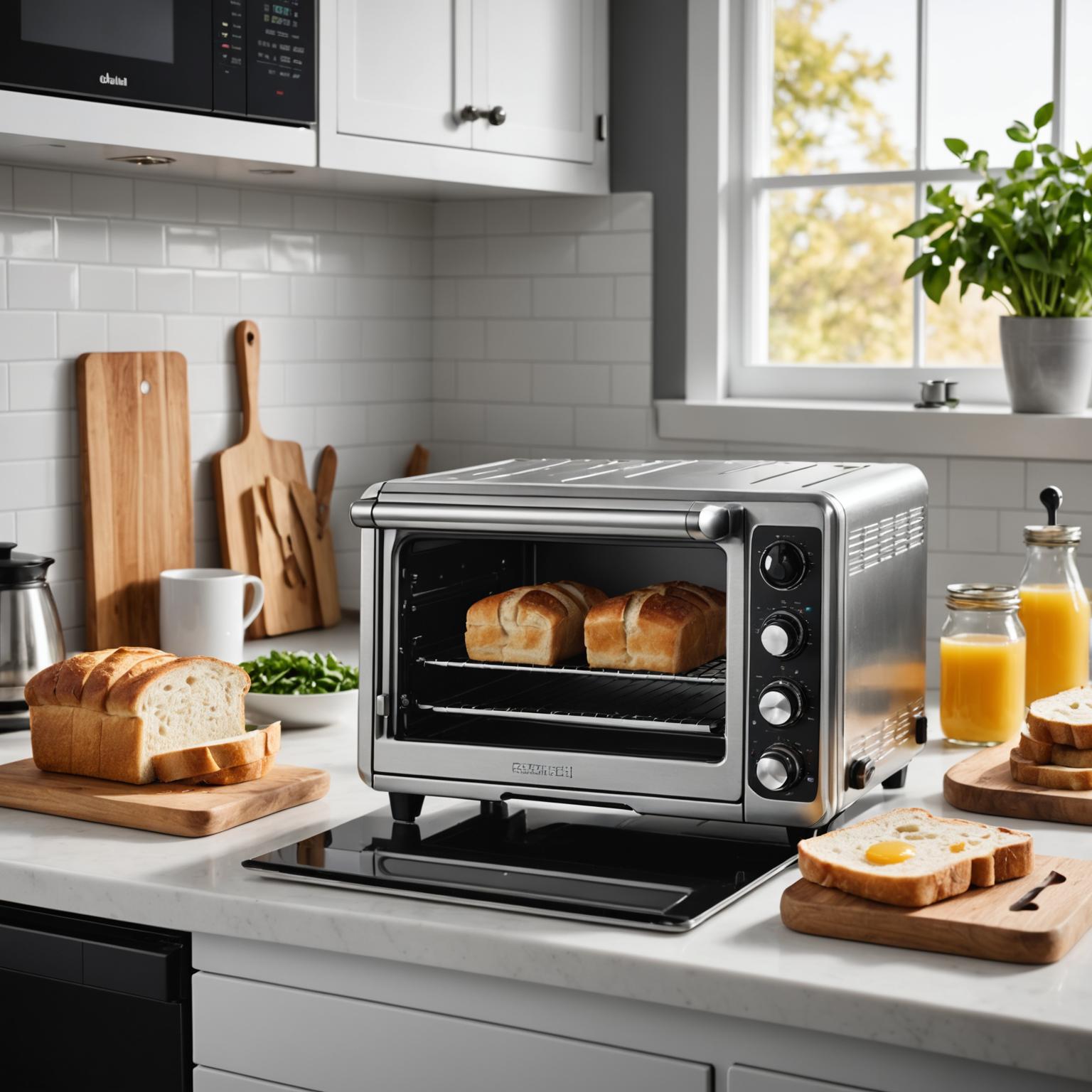
How Resistance Heating Technology Powers Your Oven
The magic behind your oven’s ability to reach precise temperatures lies in a principle known as resistance heating technology. At its core, an electric current is passed through a specially designed metallic conductor, known as the heating element. This material has a high electrical resistance, which causes it to heat up significantly as electricity flows through it—a phenomenon called Joule heating. This generated heat then radiates throughout the oven cavity, cooking your food. High-quality ovens are engineered to leverage this technology for maximum efficiency, ensuring rapid preheating and incredibly even heat distribution, which eliminates hot spots and guarantees perfectly golden-brown results every time.
Getting to Know Your Oven Heating Elements
Most conventional ovens contain at least two primary oven heating elements. The bake element is typically located at the bottom of the oven, often concealed beneath a floor panel in modern designs. It provides the primary source of heat for most baking and roasting functions. The broil element, on the other hand, is situated at the top of the oven cavity and provides intense, direct heat for broiling and browning. Both are crucial for a fully functional appliance. When choosing an appliance, look for a robust electric oven heating element, as this is a sign of quality manufacturing. Companies that adhere to strict international standards, such as ISO 9001, and have product certifications like UL and TUV, are committed to using durable components that ensure longevity and safe operation.
A Guide to Oven Heater Replacement: Signs to Watch For
Like any hardworking component, a heating element can eventually wear out. Knowing the signs of a failing element can save you from a dinner disaster. The most obvious indicator is an oven that won't heat up at all. Other, more subtle signs include food cooking unevenly, longer-than-usual preheat times, or visible damage to the element itself, such as blisters, cracks, or glowing red spots. If you notice any of these issues, it may be time to consider an oven heater replacement. For safety and performance, it is vital to use a replacement part that is certified and designed for your specific oven model. This ensures compatibility and maintains the safety integrity of your appliance.
Why Quality Matters in Ovens with Resistance Heating
Investing in high-quality ovens with resistance heating is an investment in culinary consistency and peace of mind. The performance of the entire appliance hinges on the quality of its internal components, especially the resistance oven heater. A superior element, crafted from premium materials, not only heats up faster but also maintains a more stable temperature, leading to better cooking results and greater energy efficiency. Sleek, modern countertop ovens and full-size ranges alike depend on this core technology to deliver the versatile performance they promise. When you choose an appliance from a reputable manufacturer, you are choosing a product where every detail, right down to the electric oven heating element, has been engineered for excellence and reliability. This commitment to quality is what turns a simple kitchen appliance into a partner for your culinary adventures.