


From industrial furnaces to everyday kitchen appliances, electric heating is a fundamental technology that powers countless processes. At the heart of many of these systems lies the versatile tube heating element, a robust and reliable component designed for efficient thermal transfer. Understanding the principles behind this technology provides a great foundation for appreciating the full spectrum of heating solutions available today, from classic designs to cutting-edge innovations.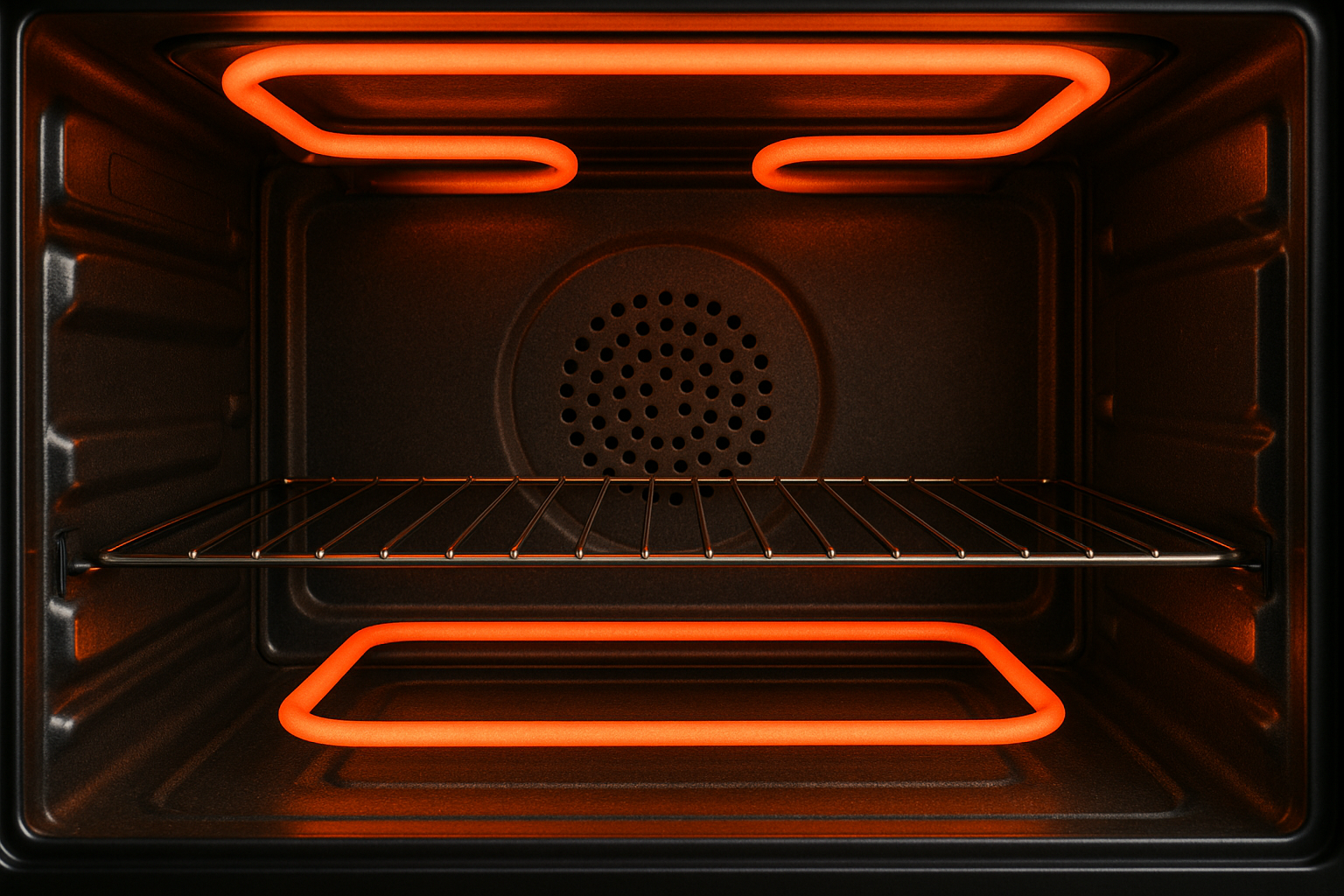
What is an Electric Tube Heater?
A tube heating element, often referred to as a tubular heater or an electric tube heater, is a remarkably simple yet effective device. Its construction typically involves a metallic outer sheath, usually made of stainless steel, copper, or a specialized alloy like Inconel, which encloses a helical coil of nickel-chromium (nichrome) resistance wire. This wire is the core component that generates heat when an electric current passes through it. To ensure electrical insulation and promote efficient heat conduction, the space between the coil and the sheath is filled with a compacted ceramic powder, most commonly magnesium oxide (MgO). This entire assembly is sealed to protect it from moisture and contaminants, making the electric tube heater a durable and safe heating source for a wide range of environments.
Performance in Demanding Environments
One of the key advantages of tubular heaters is their ability to perform under extreme conditions. A high-temperature tube heater is specifically engineered for applications where immense heat is a prerequisite. The choice of sheath material is critical here; alloys like Inconel 600 or stainless steel grades 316 and 321 are selected for their excellent resistance to high temperatures and corrosion. This makes the high-temperature tube heater indispensable in industrial settings such as kilns for firing ceramics, furnaces for heat-treating metals, and large ovens for curing coatings. The robust design ensures a long operational life even when subjected to continuous thermal cycling and harsh atmospheric conditions.
Diverse Application of Tube Heating Elements
The sheer versatility of the tube heating element has led to its widespread adoption across numerous sectors. The application of tube heating elements ranges from residential use in ovens, water heaters, and clothes dryers to commercial equipment like deep fryers, grills, and steam tables. In industrial contexts, their application is even broader, encompassing process heating in the chemical industry, oil and gas heating, and mold heating in plastics manufacturing. Because they can be bent and formed into complex shapes, they offer incredible design flexibility, allowing them to be customized for precise and targeted heating in almost any piece of equipment. This adaptability is a primary reason for the enduring popularity of this heating technology.
The Next Step: Induction Heating Technology
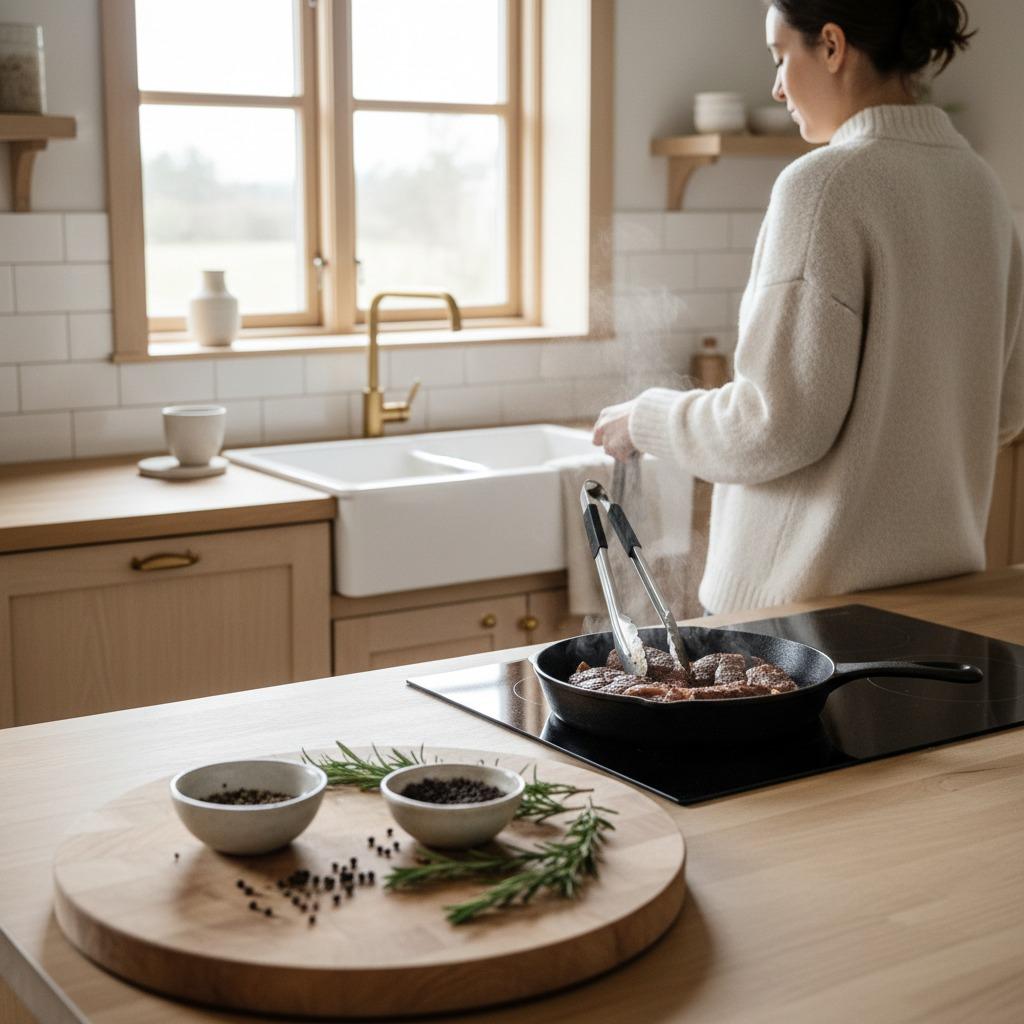
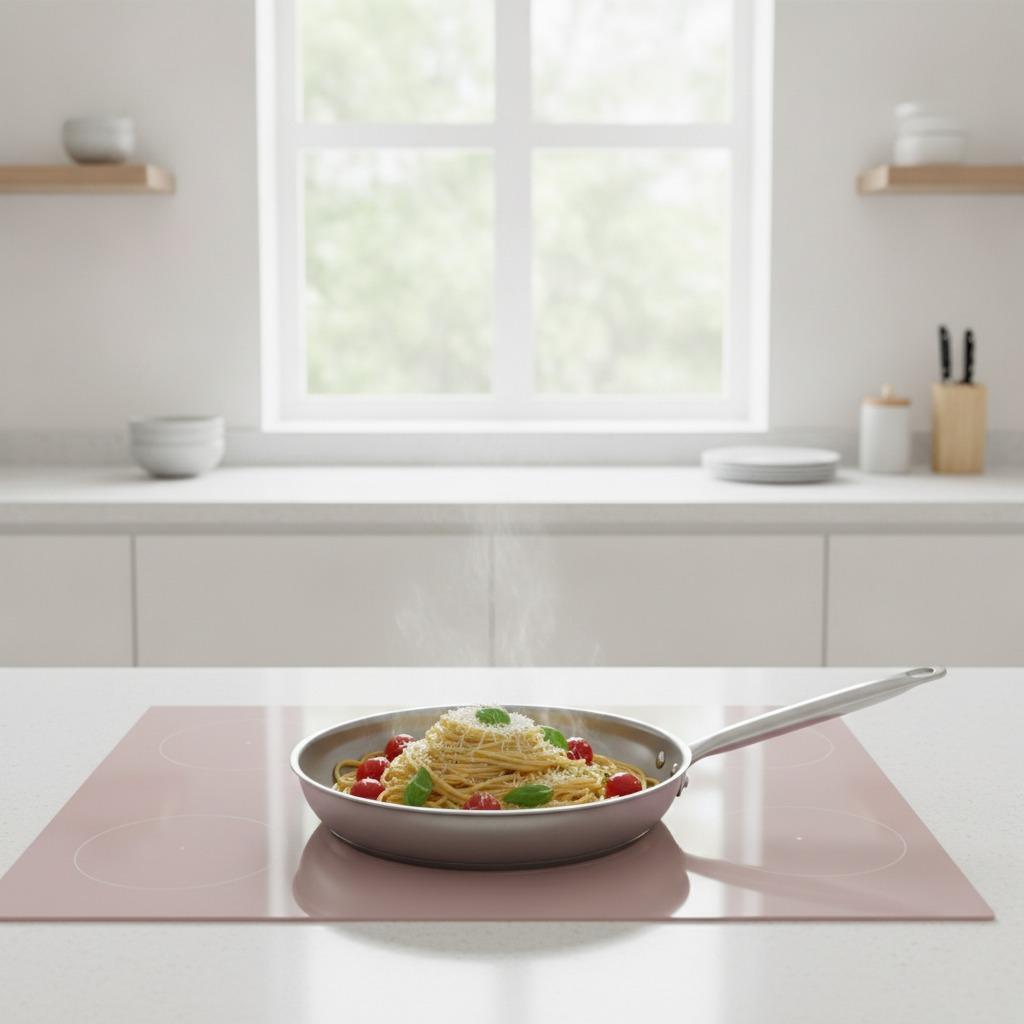
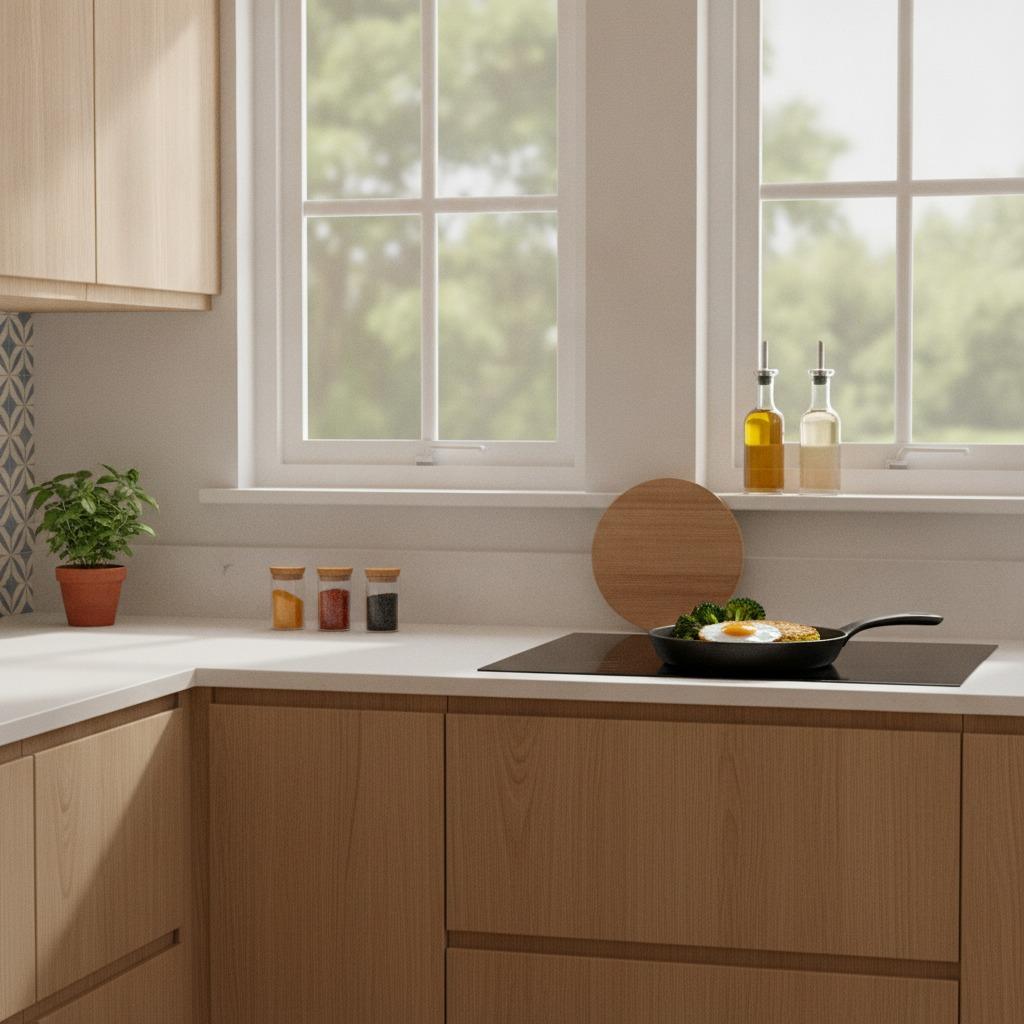
While the tube heating element remains a workhorse in many fields, heating technology continues to evolve. A prime example of this evolution is induction heating, which operates on a completely different principle. Instead of using a resistive wire for direct heating, induction cookers generate a magnetic field that directly heats the cookware itself. The Smart Induction Hot Pot Cooker is a perfect illustration of this modern approach. Its minimalist matte black exterior and intuitive dial control house a powerful and efficient induction system. The visible induction heating ring creates a mesmerizing spiral glow, but more importantly, it ensures rapid and perfectly even heat distribution throughout the pot, eliminating the cold spots sometimes associated with other heating methods. This advanced technology allows for quick boiling and precise simmering, making it ideal for delicate cuisines like Japanese shabu-shabu. The broad space accommodates a variety of ingredients, from crisp vegetables to savory meats, all cooked uniformly to perfection. This method contrasts with an electric tube heater, which first heats up itself before transferring that heat to a pot or surface. The direct heating action of induction is not only faster but also more energy-efficient, representing a sustainable choice for the modern kitchen.
Choosing the Right Heating Solution
Ultimately, the choice of heating technology depends on the specific requirements of the task. The enduring relevance of the high-temperature tube heater in industrial processes showcases its power and reliability where raw heating capability is paramount. The broad application of tube heating elements in commercial and residential appliances speaks to their versatility and cost-effectiveness. However, for applications demanding precision, speed, and energy efficiency, like the culinary experience offered by the Smart Induction Hot Pot Cooker, innovative technologies like induction heating provide a superior and more elegant solution. Understanding the strengths of each method allows consumers and engineers alike to select the ideal technology for their needs.