



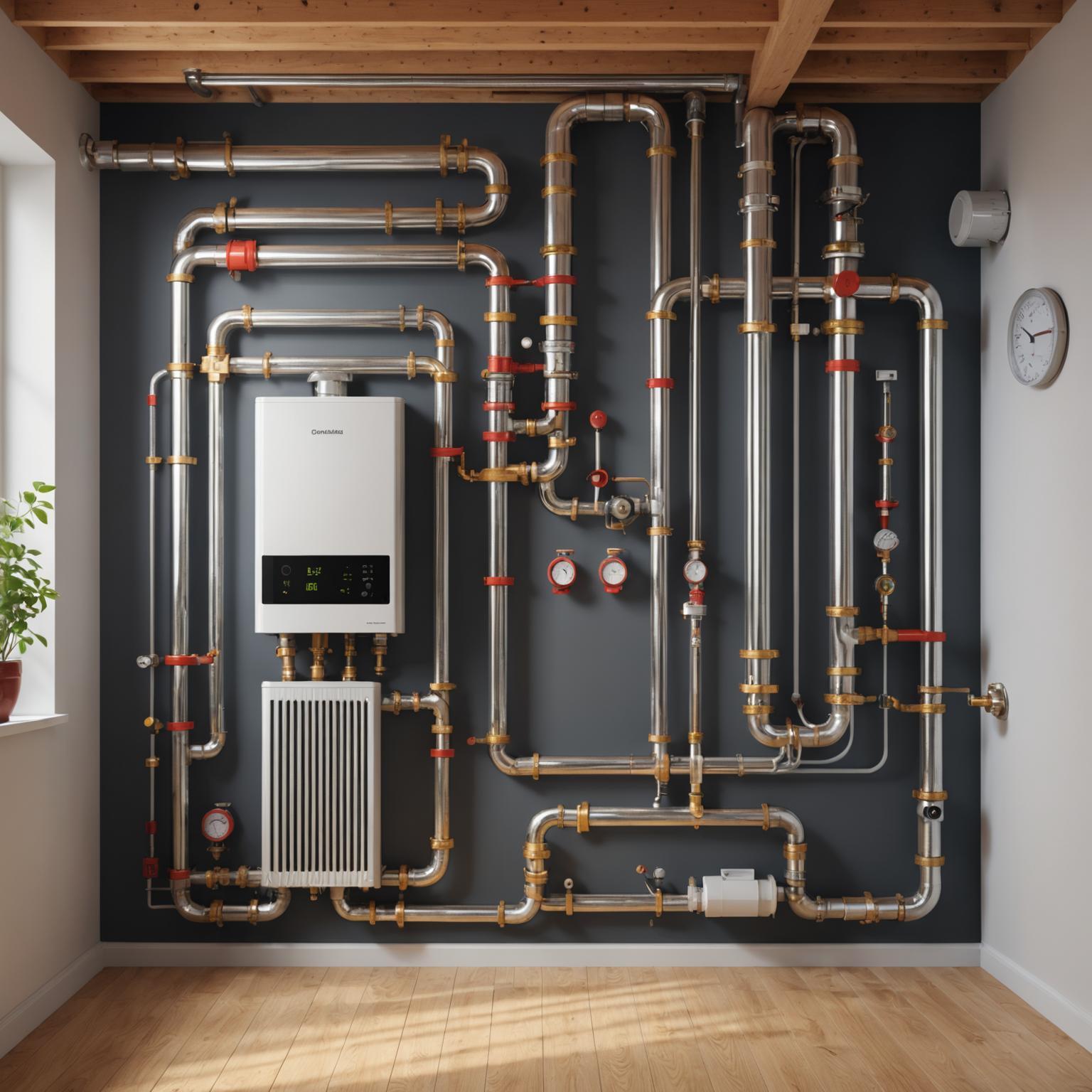
The modern industrial landscape relies heavily on the effective application of a heating pipe for processes ranging from metal forming to soldering. As technology evolves, so do the methods for generating and applying heat. Cutting-edge systems, such as induction heaters, are revolutionizing the field by offering unparalleled precision, speed, and control. These advanced solutions move beyond traditional heating methods, providing a focused thermal output that is not only more effective but also safer and more eco-friendly. For professionals in manufacturing and fabrication, understanding the components, efficiency, and selection criteria for modern heating systems is paramount to achieving high-quality results and optimizing operational workflows.
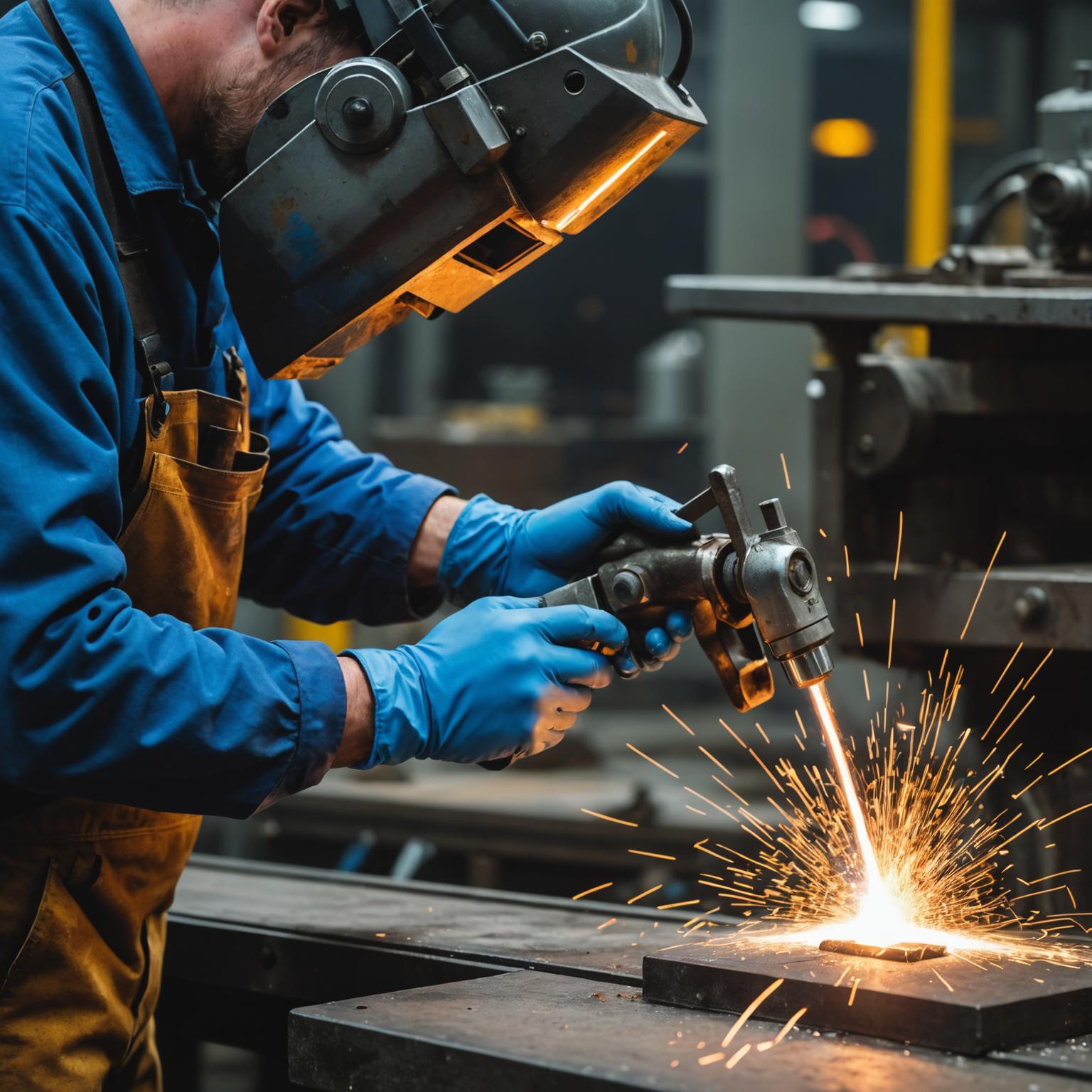
At the heart of many demanding applications are steel heating pipes, chosen for their incredible durability and ability to withstand intense thermal stress. When used in conjunction with a high-performance induction system like the HT-250801, the material integrity is crucial. Steel's robustness ensures it can handle the rapid and focused energy transfer from an induction coil without degradation. This makes steel heating pipes an ideal choice for tasks such as brazing, annealing, and high-stress metal bending, where both strength and precise heat application are required. Their resilience is fundamental to the longevity and reliability of the entire heating apparatus in demanding industrial environments, from small workshops to large-scale manufacturing units.
Achieving optimal heating pipe heating efficiency is a primary goal in any thermal process, directly impacting production speed, energy consumption, and final product quality. Modern induction heating devices excel in this area by using powerful electromagnetic fields to generate heat directly within the workpiece. This method is remarkably fast and ensures uniform temperature distribution, which is critical for preventing undesirable deformations. Unlike conventional methods that heat the surrounding air, induction technology focuses the energy precisely where it's needed. This results in significantly reduced energy waste and accelerated production cycles, making it a smart, sustainable choice for businesses looking to improve their bottom line while enhancing their heating pipe heating efficiency.
Effective operation of a heating system is not just about the heat source; it also depends on a range of crucial heating pipe accessories. These components are engineered to enhance control, safety, and versatility. For instance, expertly designed jaws that securely hold the workpiece are essential for stability and precision during the heating process. Furthermore, ergonomic features like specially crafted handles reduce operator fatigue and improve maneuverability for intricate tasks. An advanced cooling system is another vital accessory, ensuring the device remains durable and functional even during extended, high-intensity use. These integrated heating pipe accessories are not mere add-ons but fundamental parts of a cohesive system designed for peak performance and operator safety.
A comprehensive heating pipe sizing guide is more of a principle-based approach than a simple chart. Selecting the correct system involves a careful evaluation of the application's specific requirements. Factors to consider include the type and size of the metal workpiece, the desired heating depth, and the production volume. For example, a large automotive manufacturer will have different needs than a small, specialized aerospace workshop. A conceptual heating pipe sizing guide would prompt you to assess whether the task is soldering, brazing, or metal forming, as each requires a different intensity and focus of heat. Choosing a versatile system capable of handling a wide array of assignments ensures that you have the right tool for any job, maximizing your investment and operational flexibility.
The Core of Modern Systems: Steel Heating Pipes
At the heart of many demanding applications are steel heating pipes, chosen for their incredible durability and ability to withstand intense thermal stress. When used in conjunction with a high-performance induction system like the HT-250801, the material integrity is crucial. Steel's robustness ensures it can handle the rapid and focused energy transfer from an induction coil without degradation. This makes steel heating pipes an ideal choice for tasks such as brazing, annealing, and high-stress metal bending, where both strength and precise heat application are required. Their resilience is fundamental to the longevity and reliability of the entire heating apparatus in demanding industrial environments, from small workshops to large-scale manufacturing units.
Maximizing Performance: Heating Pipe Heating Efficiency
Achieving optimal heating pipe heating efficiency is a primary goal in any thermal process, directly impacting production speed, energy consumption, and final product quality. Modern induction heating devices excel in this area by using powerful electromagnetic fields to generate heat directly within the workpiece. This method is remarkably fast and ensures uniform temperature distribution, which is critical for preventing undesirable deformations. Unlike conventional methods that heat the surrounding air, induction technology focuses the energy precisely where it's needed. This results in significantly reduced energy waste and accelerated production cycles, making it a smart, sustainable choice for businesses looking to improve their bottom line while enhancing their heating pipe heating efficiency.
Essential Components: Heating Pipe Accessories
Effective operation of a heating system is not just about the heat source; it also depends on a range of crucial heating pipe accessories. These components are engineered to enhance control, safety, and versatility. For instance, expertly designed jaws that securely hold the workpiece are essential for stability and precision during the heating process. Furthermore, ergonomic features like specially crafted handles reduce operator fatigue and improve maneuverability for intricate tasks. An advanced cooling system is another vital accessory, ensuring the device remains durable and functional even during extended, high-intensity use. These integrated heating pipe accessories are not mere add-ons but fundamental parts of a cohesive system designed for peak performance and operator safety.
A Guide to Selection: Heating Pipe Sizing Guide
A comprehensive heating pipe sizing guide is more of a principle-based approach than a simple chart. Selecting the correct system involves a careful evaluation of the application's specific requirements. Factors to consider include the type and size of the metal workpiece, the desired heating depth, and the production volume. For example, a large automotive manufacturer will have different needs than a small, specialized aerospace workshop. A conceptual heating pipe sizing guide would prompt you to assess whether the task is soldering, brazing, or metal forming, as each requires a different intensity and focus of heat. Choosing a versatile system capable of handling a wide array of assignments ensures that you have the right tool for any job, maximizing your investment and operational flexibility.