


The heart of any modern electric oven is its resistance oven heater, a critical component responsible for generating the heat needed for everything from baking and roasting to broiling. Understanding how this part works, how to maintain it, and what to do when it fails is essential for any home cook. This guide will walk you through the key aspects of your oven's heating system, helping you get the most out of your appliance and ensuring countless delicious meals for years to come.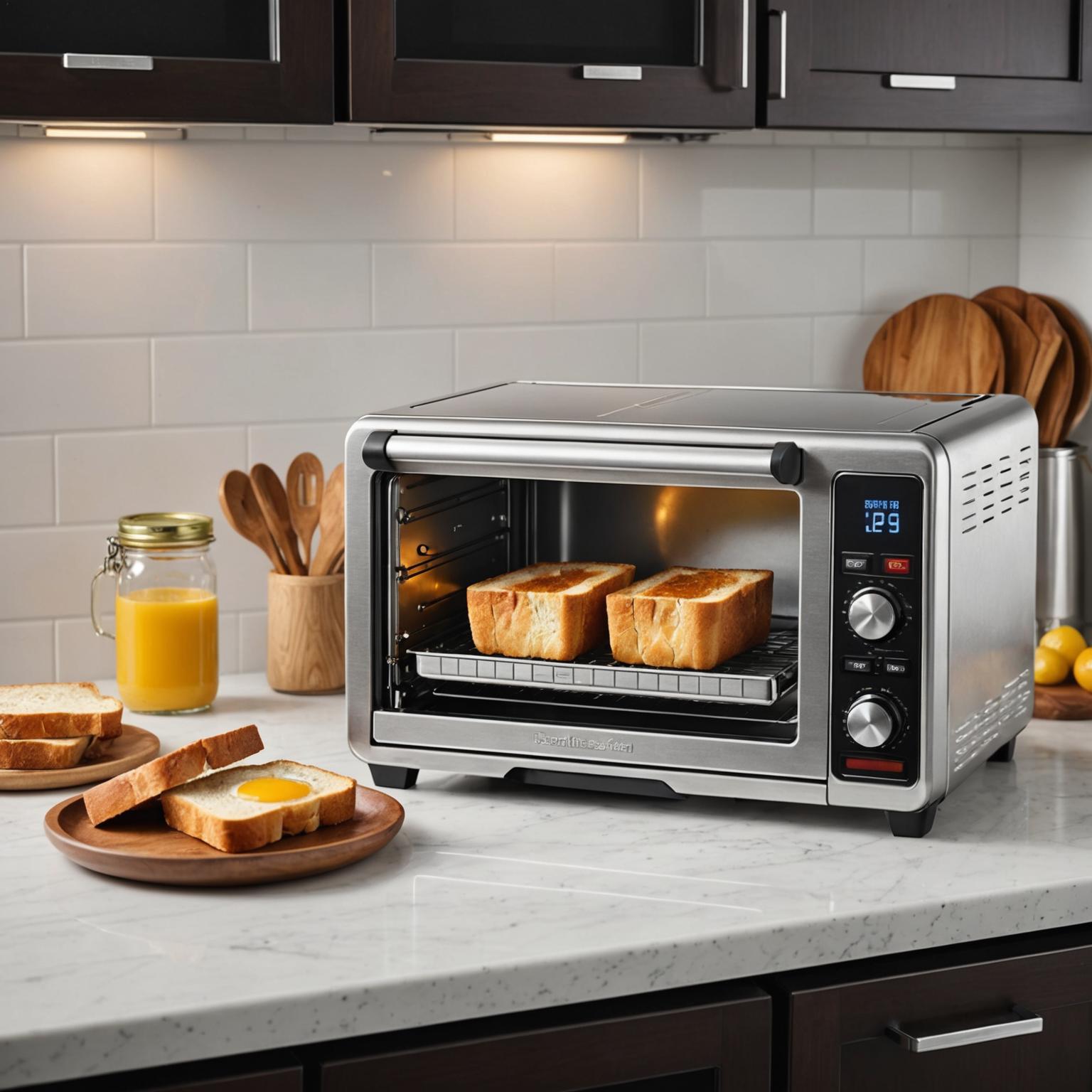
Understanding Resistance Heating Technology
The magic behind your oven's ability to heat up is a principle known as resistance heating technology. In simple terms, when an electric current is passed through a material with high electrical resistance, the energy is converted into heat. The oven heating elements are specifically designed for this purpose, typically made from a coil of metal alloy like nichrome, which can withstand extremely high temperatures without degrading. This technology is the foundation of most modern ovens with resistance heating, providing a reliable and controllable source of heat for precise cooking. This simple yet effective method allows for the wide temperature ranges we rely on, from a gentle 150°F for proofing dough to a searing 450°F for the perfect roast.
Types of Oven Heating Elements in Your Appliance
Most conventional ovens feature two main heating elements: a bake element at the bottom and a broil element at the top. However, more advanced appliances, such as the modern Compact Convection Toaster Oven, utilize state-of-the-art quartz heating elements. These are highly efficient and provide near-instantaneous, even heat. In such designs, the interior is often coated with a non-stick, reflective surface that works in tandem with the electric oven heating element to distribute heat uniformly. This ensures consistent toasting and baking results every time. The combination of powerful elements and smart interior design gives you the versatility of a full-sized oven in a compact, energy-efficient package.
A Guide to an Oven Heater Replacement
Eventually, any heating element can wear out. Signs that you might need an oven heater replacement include the oven not heating up, visible damage like blisters or breaks in the element, or food cooking unevenly. If you suspect an issue, a replacement is often a straightforward process. First and most importantly, disconnect the appliance from its power source for safety. Typically, the element is secured by a few screws inside the oven cavity. After removing them, you can gently pull the element forward to disconnect the wires at the back. When installing the new part, simply reverse the process. Always ensure you have the correct replacement part for your specific model and consult your user manual. If you're ever unsure, calling a professional is the safest bet.
Getting the Most Out of Your Electric Oven Heating Element
Proper care can significantly extend the life of your heating elements. One of the best practices is to keep them clean. Avoid letting food or grease spill directly onto the hot element, as this can cause burnout over time. When cleaning, wait for the oven to cool completely and use a damp cloth, avoiding abrasive chemicals. Features like a non-stick interior and a removable crumb tray make this maintenance much easier. Furthermore, allowing your oven to preheat fully before placing food inside ensures the element operates efficiently and isn't subjected to unnecessary stress, helping to preserve the longevity of the entire resistance oven heater system.
Choosing Quality and Reliability
Whether you are using a large built-in oven or a versatile countertop model, the quality of its components is paramount. A durable and efficient resistance oven heater is a testament to superior engineering and manufacturing. At GUANGDONG WEBO TECHNOLOGY Co., LTD, we are committed to this standard of excellence. With adherence to ISO 9001 and ISO 14001 management standards and products certified by VDE, TUV, UL, CE, and ROHS, we ensure every appliance we produce meets rigorous global quality and safety benchmarks. This dedication means you can trust our products to deliver reliable performance, exceptional cooking results, and lasting value in your kitchen.