


The Unsung Hero in Your Home
At the core of your home's comfort system lies a component that works tirelessly, yet often goes unnoticed: the water heater heating element. This essential device is responsible for providing the hot water we rely on for everything from morning showers to washing dishes. Without a properly functioning heating element, your water heater is merely a storage tank. Understanding its role is the first step toward ensuring a consistent and efficient supply of hot water, making it a critical piece of hardware in any modern household.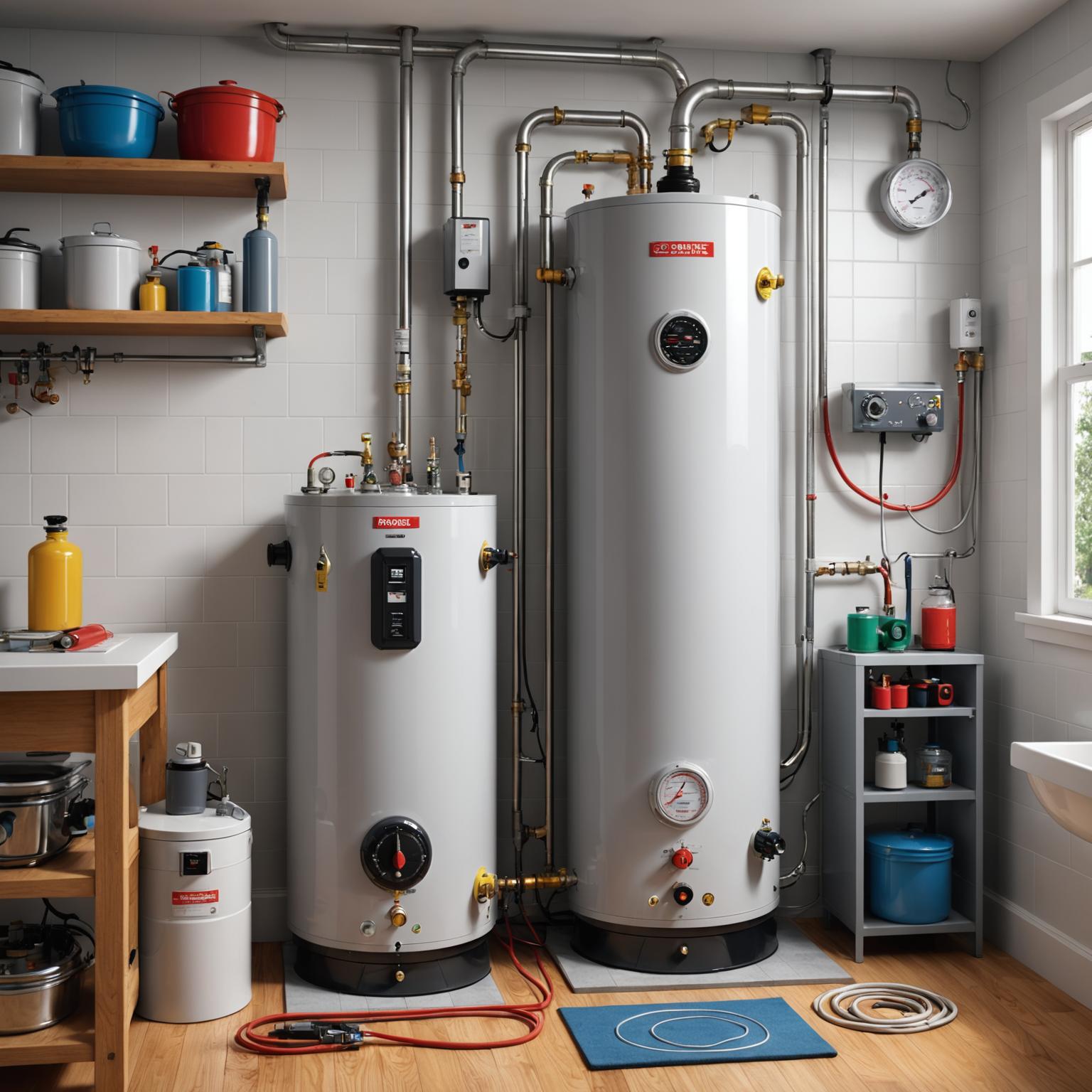
Breaking Down Common Electric Water Heater Parts
An electric water heater is a relatively simple appliance, composed of a few key components. Among the most common electric water heater parts are the thermostats, the anode rod, the dip tube, and of course, the heating elements themselves. Most standard residential tanks have two heating elements—an upper and a lower one—that work in tandem with two thermostats. When you use hot water, cold water enters the bottom of the tank, and the lower element typically activates to heat it. If a large amount of hot water is used, the upper element will kick in to provide a quicker recovery. These elements are essentially powerful resistors that glow hot when electricity passes through them, transferring that thermal energy directly to the surrounding water. Their reliability is paramount to the entire system's performance.
Identifying a Faulty Heating Element
When you experience issues like lukewarm water, no hot water at all, or water that is slow to heat up, a failing water heater heating element is often the culprit. Over time, mineral deposits from hard water can build up on the element's surface, creating a layer of scale. This forces the element to work harder and longer to heat the water, increasing energy consumption and eventually causing it to burn out. Popping or hissing sounds from your tank are another classic symptom, caused by water trapped beneath the sediment layer boiling. Recognizing these signs early can help you address the problem before you're left with a completely cold tank, saving you from an inconvenient breakdown.
Maximizing Efficiency for Long-Term Savings
For homeowners looking to reduce utility bills, investing in an Energy-efficient electric water heater is a smart move. The efficiency of these units is heavily dependent on the quality and condition of their internal components. A clean, well-maintained heating element operates at peak efficiency, using less electricity to heat the same amount of water. If your current unit is older, simply replacing a scaled-up element can restore some of its lost efficiency. When it's time for a full replacement, choosing a modern Energy-efficient electric water heater ensures you benefit from better insulation and superior heating element design, leading to significant long-term savings and a smaller environmental footprint. Proper maintenance of all common electric water heater parts is the key to extending the life and efficiency of your appliance.