


Why a Solid Hot Plate Still Has a Place in Modern Kitchen Operations
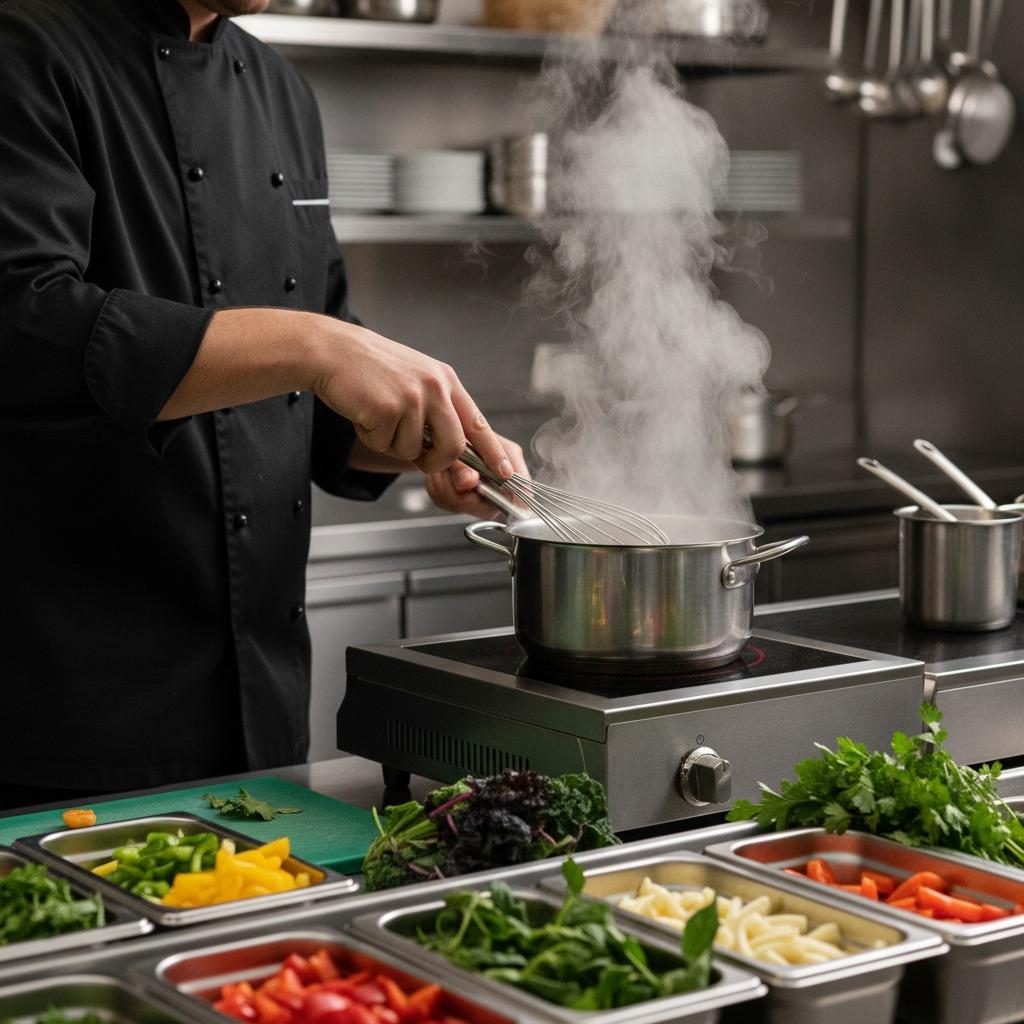
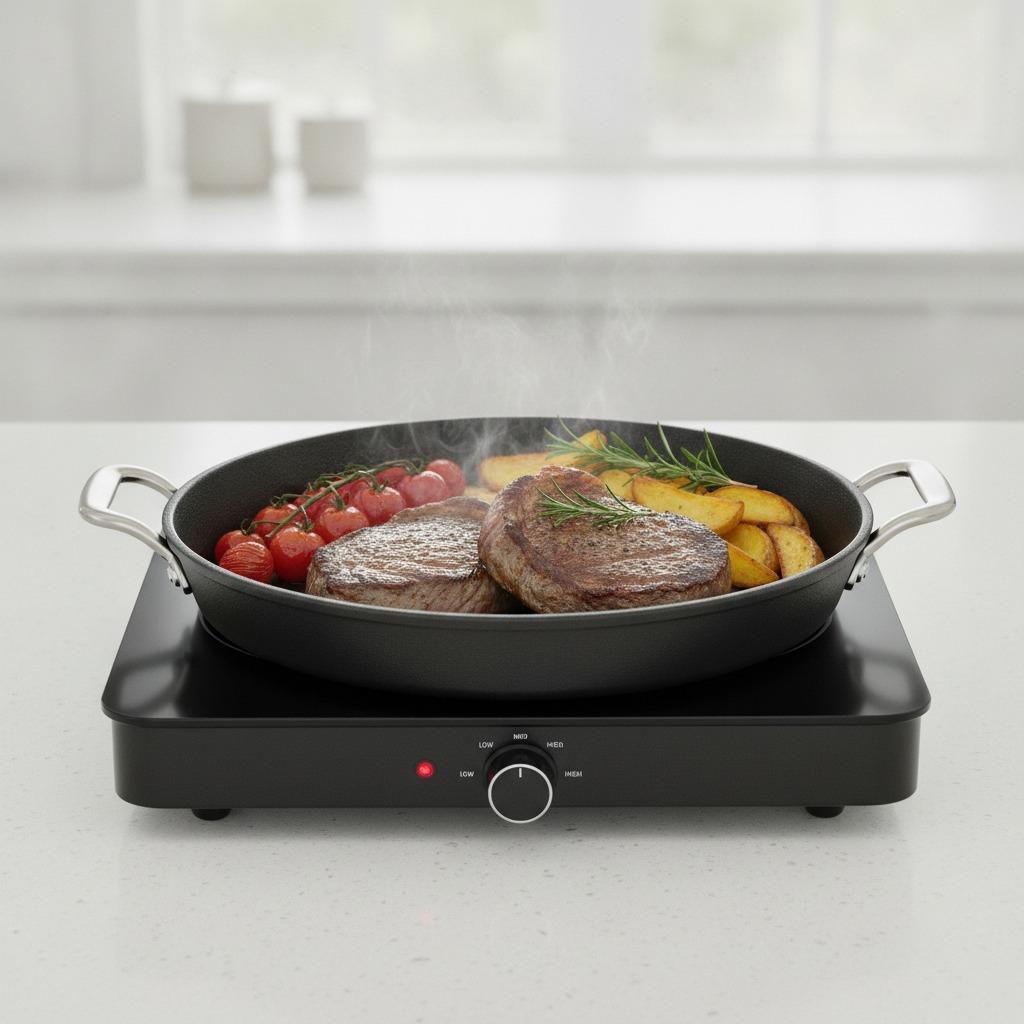
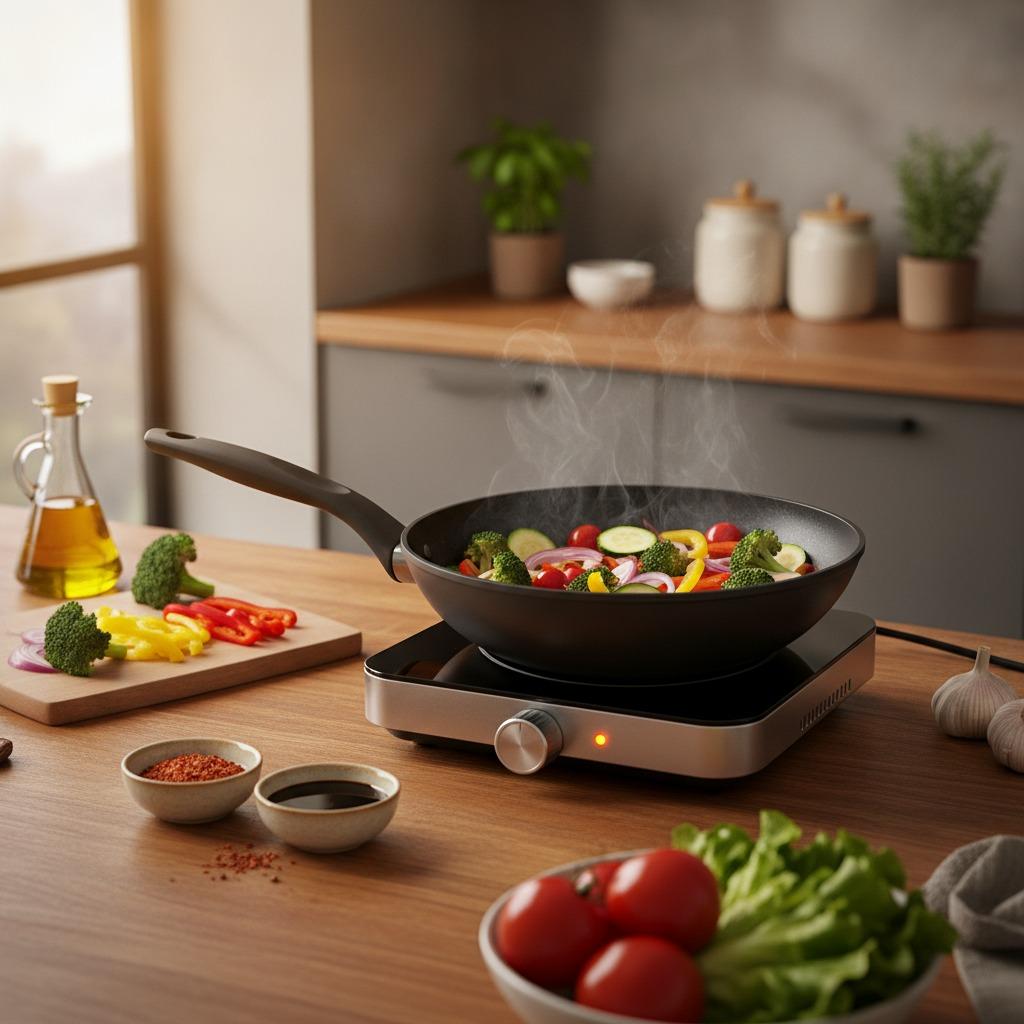
A Solid Hot Plate looks simple at first glance, but that simplicity is exactly why it remains relevant in busy kitchens, catering setups, and test environments. When a team needs one focused heating point for simmering sauce, warming a pan, or keeping a prep task moving without tying up a full range, a compact countertop unit can be the practical answer. It is not trying to replace every piece of cooking equipment. It is there to solve a smaller, more immediate problem.
For sourcing managers and product teams, the decision is rarely about whether a hot plate can heat a saucepan. The real question is whether the unit fits the workflow: space, duty cycle, cleaning routine, power expectations, and the level of consistency the kitchen actually needs. That is where the details matter more than the sales pitch.
What Buyers Usually Need from a Solid Hot Plate
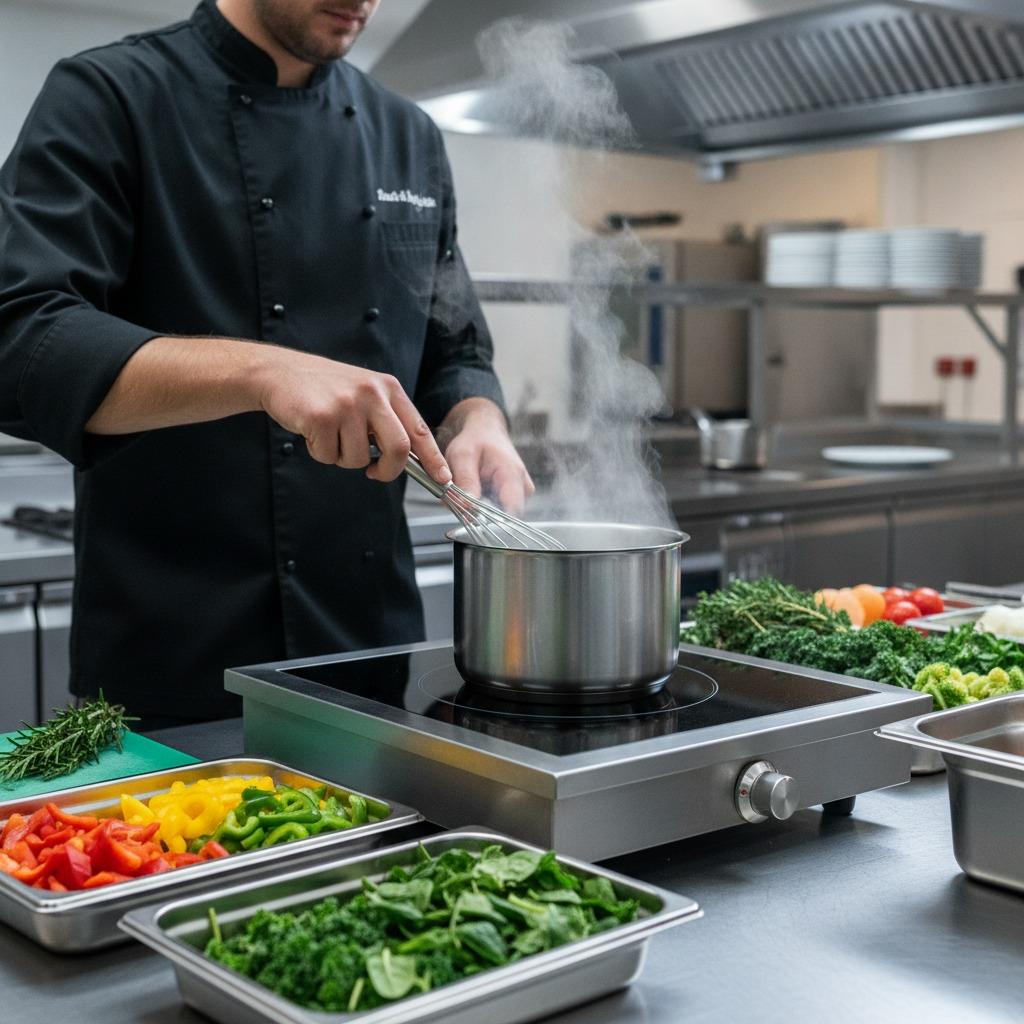
The visible product format here is a countertop single-burner electric hot plate, with a brushed stainless steel housing, a black flat cooktop surface, a front rotary control, and a status light. That low-profile structure makes it easy to place on a prep line, in a catering station, or on a back-of-house worktable where space is always under pressure.
The main appeal is not complexity. It is control. A compact unit like this can support sauce preparation, boiling small volumes, holding food warm, or handling a one-off task without forcing staff to rearrange a whole cooking line. For some operations, that sounds minor until the first time a full range is overloaded and the extra burner becomes the difference between flow and delay.
Quick Reference: Where It Fits Best
A solid hot plate stove is generally a good fit for:
Restaurant prep lines that need an auxiliary heating point
Catering teams working at temporary stations
Test kitchens evaluating small-batch recipes
Buffet or holding setups where controlled warming matters
Back-of-house sauce reheating and short-cycle cooking tasks
It is less about high-volume production and more about flexibility. That distinction matters. Buyers sometimes expect a small unit to behave like a full commercial range, and that is where disappointment starts.
Solid Hot Plate Electric Cooker: The Practical Buying Questions
When people compare a solid hot plate electric cooker to other countertop appliances, they usually focus on wattage or heat-up speed. Those details are important, but they are not the whole story. The better question is whether the heating behavior suits the product being cooked. A sauce station does not need the same response as a fast boil application. A holding task does not need the same output as pan searing.
Because the exact heating technology is not confirmed here, buyers should avoid assuming induction performance, resistance behavior, or temperature precision from appearance alone. That is a common mistake. If the unit is going into a commercial kitchen, request the actual electrical and thermal specifications before planning installation or production use.
Selection Criteria That Matter More Than Brochure Language
A solid hot plate countertop unit should be judged by how it handles daily use, not just how neatly it photographs. The brushed stainless exterior is a sensible choice for kitchen environments because it is easier to place into a sanitation routine than more delicate finishes. The single-zone layout also reduces clutter and makes the unit easier to understand for staff who rotate through stations.
For buyers, the useful checks are straightforward:
How stable is the pan support area during real use?
Is the control knob easy to adjust with gloves or wet hands?
Does the indicator light provide clear status at a glance?
Can the unit be cleaned without awkward seams trapping residue?
Is the footprint appropriate for the station it will live on?
These may sound basic, but basic is often what keeps equipment useful after the novelty wears off.
Replacement Parts and Service Planning
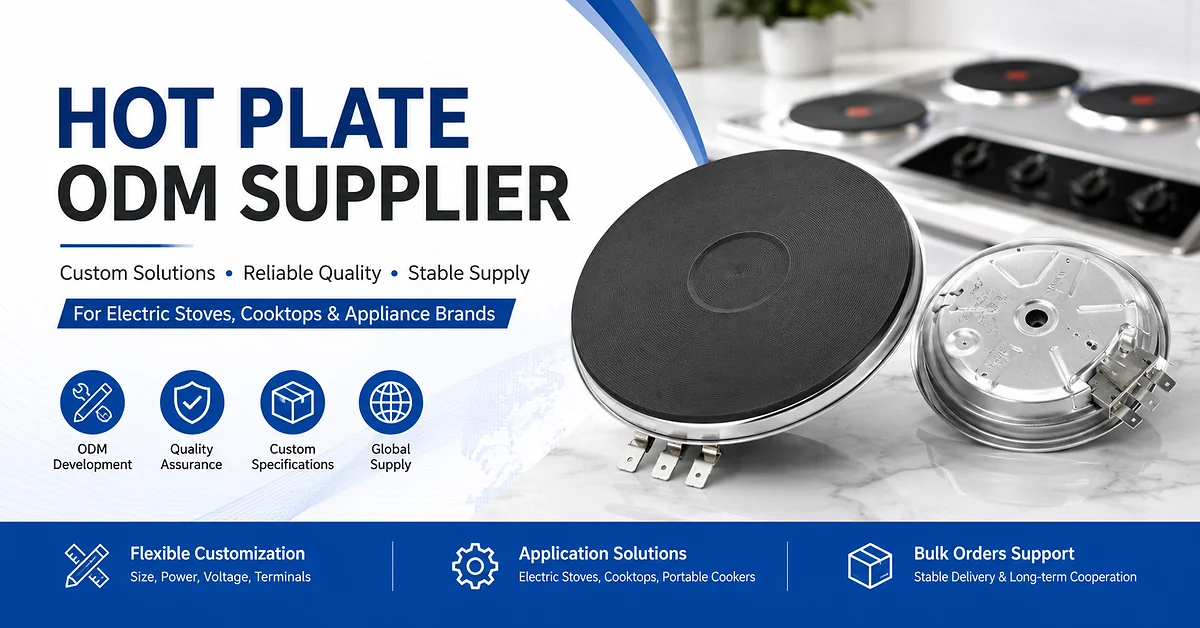
In procurement, the phrase replacement solid hot plate can mean two different things: replacing a worn unit in a kitchen, or replacing a cooking surface inside a broader service program. Either way, maintenance planning should happen early. A compact countertop appliance may be inexpensive compared with larger cooking systems, but downtime still costs labor and interrupts service.
For manufacturers and distributors, that means thinking beyond the box. Clear labeling, accessible controls, and consistent assembly quality help keep support requests manageable. GUANGDONG WEBO TECHNOLOGY Co., LTD, with more than 500 employees and management systems aligned with ISO 9001 and ISO 14001, positions itself as a commercial equipment manufacturer with broad certification coverage including VDE, TUV, UL, CE, and ROHS. For buyers working across multiple markets, that kind of documentation can simplify qualification work, though the final fit still depends on the exact model and local requirements.
Common Mistakes Buyers Make
The biggest mistake is treating a small hot plate as an afterthought. It is a work appliance, and it will be judged every day by how predictably it performs. Another common error is assuming all countertop electric cookers are interchangeable. They are not. A kitchen that needs steady sauce reheating may prefer different behavior than a prep station that needs quick bursts of heat.
A second caution: do not buy only to the visible size. Compact does not automatically mean suitable. Check the intended operating environment, service expectations, and electrical requirements before committing.
What This Type of Equipment Helps You Decide
If you are evaluating a high power solid hot plate for a professional environment, the decision is not simply about more heat. It is about matching output, footprint, and operating style to the actual task. The best unit is the one staff can use without thinking too hard, clean without complaint, and keep running without constant attention.
That is usually the mark of useful kitchen equipment: not flashy, just dependable.
FAQ
Is a solid hot plate suitable for commercial kitchens?
It can be, especially for auxiliary tasks such as simmering, warming, or small-batch cooking. The suitability depends on the exact specifications and the kitchen’s workload.
Can this type of unit replace a full range?
Usually not. It is best viewed as a support appliance rather than a primary cooking system.
What should I confirm before ordering?
Confirm electrical specifications, heating type, cleaning requirements, and whether the unit matches your intended duty cycle.
Why does stainless steel matter?
It helps the unit fit a kitchen environment where durability and cleaning are part of daily life.
Next Step for Buyers
If you are sourcing a Solid Hot Plate for a prep line, catering station, or product line extension, start with the use case first and the appliance style second. Ask for the verified technical data, the service plan, and the documentation that matters in your market. A compact cooker can be a small purchase, but in the right workflow it makes a visible difference every day.