


Why buyers still look at a cast iron hot plate
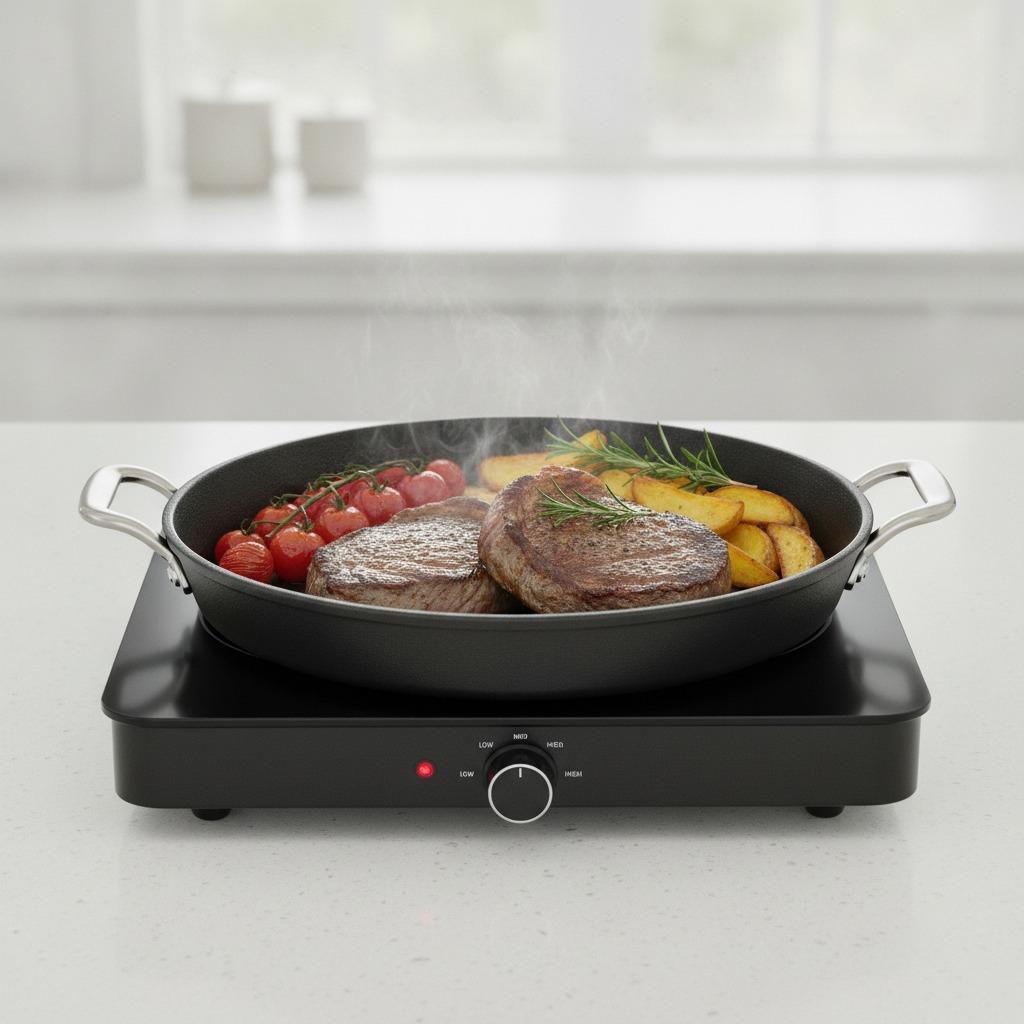
A cast iron hot plate sounds old-school, and in a way it is. Yet the reason engineers, sourcing managers, and private-label buyers keep asking about it is simple: a heavy, stable heating surface still solves real problems in small kitchens and temporary cooking stations. When counter space is tight, when a full range is overkill, or when a catering team needs a backup burner that can sit on a prep table, the cast iron hot plate remains a practical reference point.
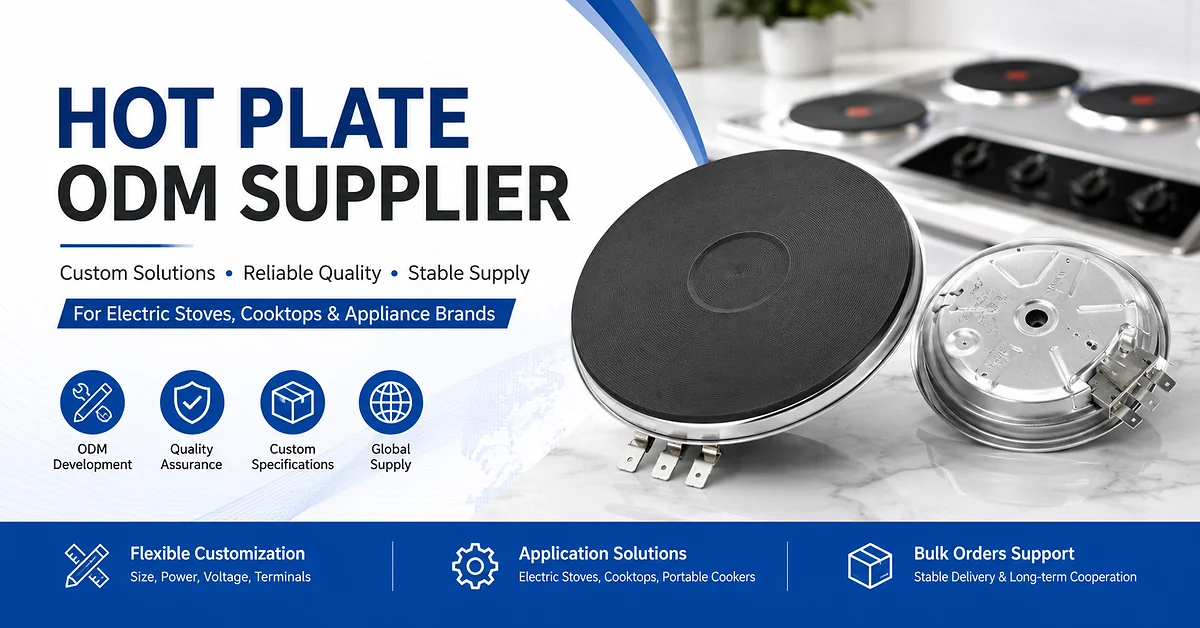
In the marketplace, the term gets used a little loosely. Sometimes people mean the cooking surface itself. Sometimes they mean an electric hot plate with a cast-iron element or cast-iron plate inside the assembly. That matters, because the buyer is not just choosing a look; they are choosing heat response, surface durability, cleaning routine, and how the unit fits into the workflow of the kitchen.
What the compact one-burner format is really solving
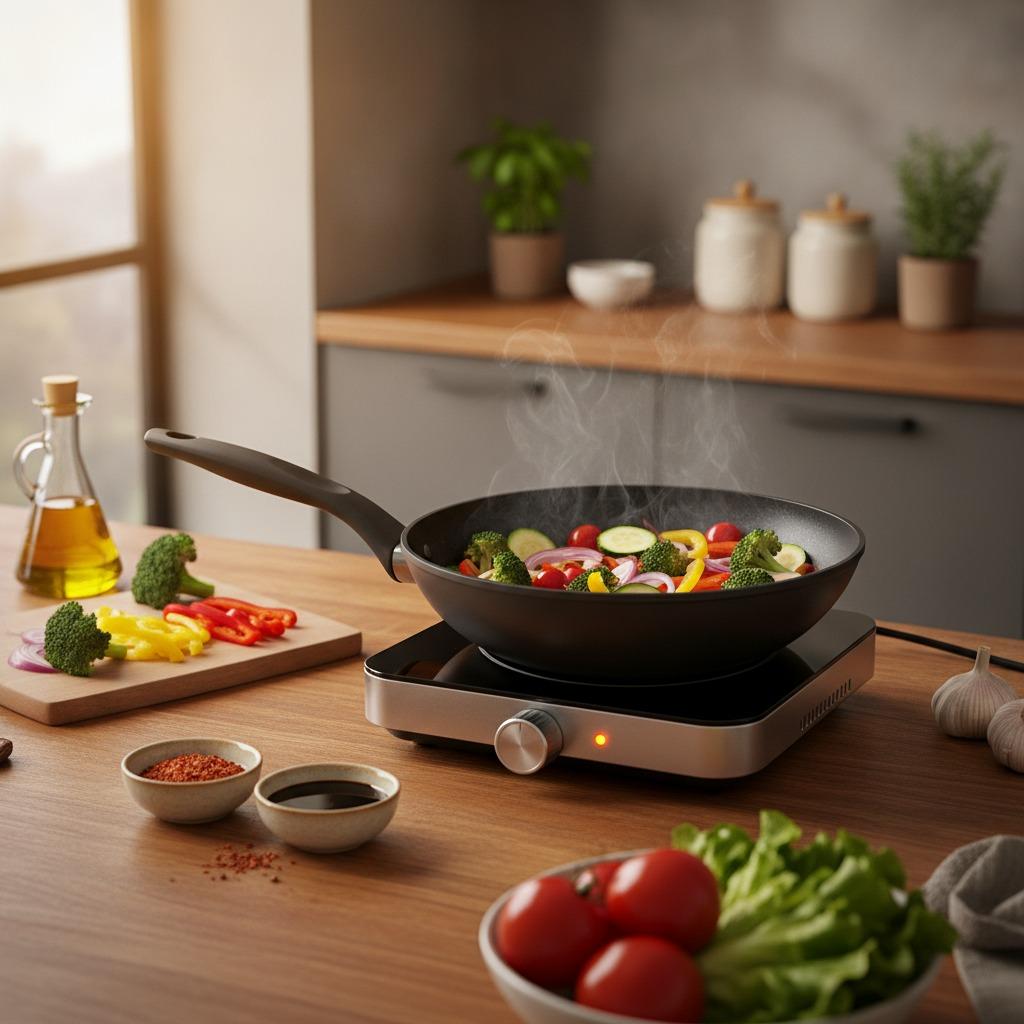
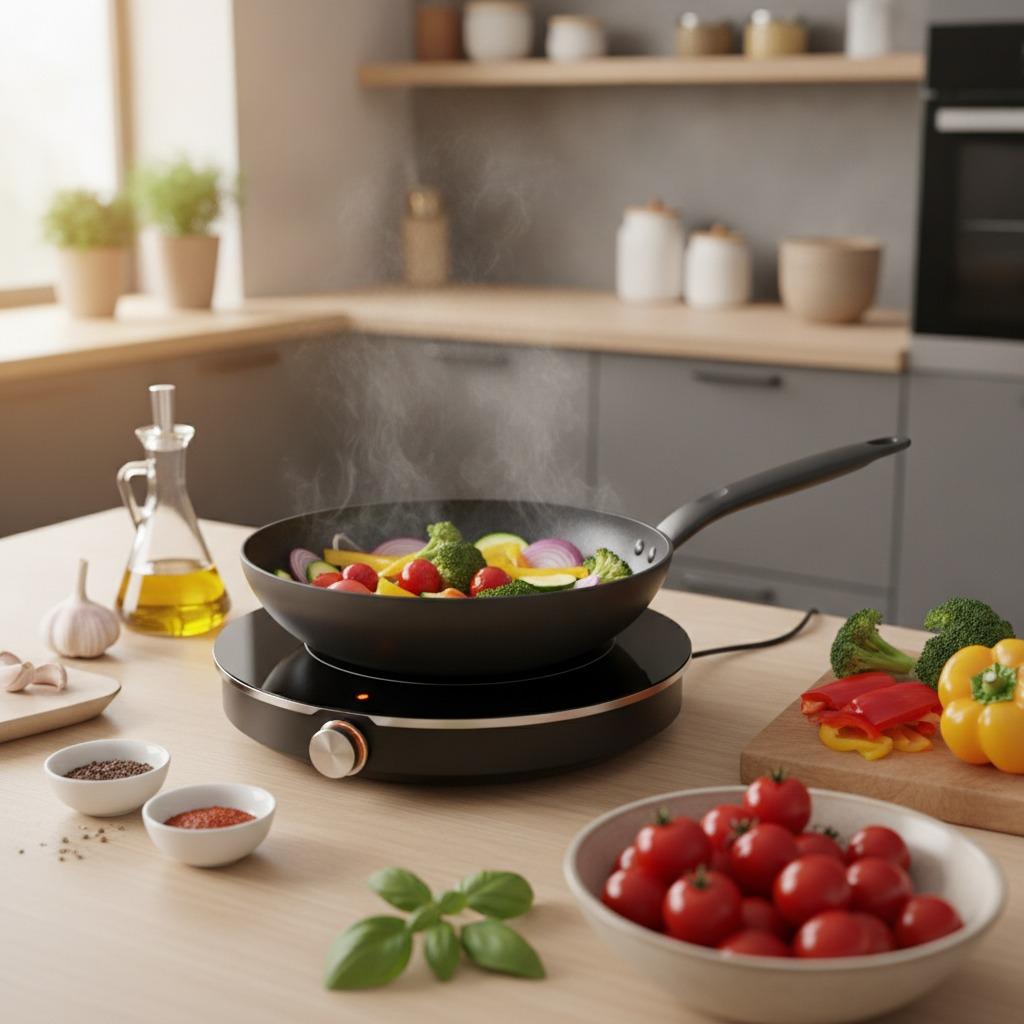
The product image suggests a countertop electric hot plate with a single circular heating zone, a front rotary control, and a compact rectangular housing. It is the sort of appliance that gets used for stir-frying, sautéing, simmering, boiling, or holding food warm. In practice, it becomes the extra burner that saves service when a kitchen is short one stove eye or when the main cooktop is already crowded.
That is why buyers often compare a cast iron hot plate with an Electric hot plate, a Portable hot plate, or a Mini hot plate. The category overlap is real, but the operational question is different: do you need a rugged thermal mass that holds heat steadily, or a lighter appliance that is easier to move and quicker to redeploy?
How the visible design clues affect purchasing decisions
The unit shown has several features that sourcing teams usually care about. The one-burner configuration keeps the footprint small. The rotary control suggests straightforward manual adjustment rather than a complex digital interface. The indicator light is a useful detail, because it gives the cook a quick visual cue during use. Side ventilation slats suggest the housing is designed to manage heat in a compact enclosure, which is no small thing in tabletop appliances.
The cookware also tells a story. A wok or deep frying pan sitting on top indicates the appliance is intended for more than simple warming. Buyers looking at this kind of product usually want one appliance that can handle multiple tasks, especially in dorm rooms, offices, RVs, temporary kitchens, and catering prep areas.
Cast iron hot plate versus other hot plate types
A fair comparison should stay practical, not theoretical.
A cast iron hot plate usually appeals when the user values stability and heat retention. Cast iron is heavy, and that weight can be an advantage in use because it tends to feel solid under a pan. It can also make the surface more forgiving for longer simmering or batch cooking.
A Double burner hot plate is the opposite kind of decision. It serves throughput and flexibility, but it takes more space and usually more careful outlet planning. For buyers outfitting a tight countertop, the double-burner model can be simply too much appliance.
A Single burner hot plate, by contrast, is easier to place, easier to stock, and easier to explain to end users. For many B2B buyers, that simplicity is part of the value proposition. There are fewer moving parts in the conversation and fewer assumptions about how the product will be used.
What engineers and sourcing teams should check first
Do not start with style. Start with the job.
If the appliance is for supplemental cooking, look at how the heating zone matches common pan sizes. If it is for tabletop meal prep, think about control clarity and user behavior under time pressure. If it is for temporary or shared spaces, portability matters more than fancy features. A Portable hot plate can be attractive on a spec sheet, but if the housing is awkward to carry or the control panel is unclear, the field complaints will come later.
One caution: buyers often overfocus on the visible burner surface and underfocus on the service environment. A compact appliance used in a humid prep area, a dorm kitchenette, or an RV has different abuse patterns than a home backup cooker. The right unit is the one that fits the real conditions, not the catalog photo.
Manufacturing and company context
GUANGDONG WEBO TECHNOLOGY Co., LTD presents itself as a large manufacturer with over 500 employees and approximately $40 million in annual turnover, operating under ISO 9001 and ISO 14001 management standards. The company also states that its products are certified by VDE, TUV, UL, CE, and ROHS. For buyers, that combination suggests a supplier accustomed to serving different market requirements and compliance expectations.
That said, the exact heating technology inside a cast iron hot plate assembly is not always obvious from the outside. It may be ceramic, cast iron, or a coil-based structure under a cover. If you are sourcing at volume, ask for the internal construction details, because that choice affects thermal response, repairability, and how the unit behaves after repeated use.
Common mistakes when evaluating a hot plate program
The most common mistake is assuming all one-burner appliances behave the same. They do not. A Mini hot plate used for light warming is not the same as a sturdier kitchen workhorse designed for repeat service.
Another mistake is overlooking the vessel. A pan that seems fine on a conventional stove may not sit as well on a compact electric burner, especially if the base is uneven or oversized. Buyers who test only with one reference pan sometimes miss this.
There is also the packaging and usability issue. If the unit will be sold to end users who may not cook every day, the controls should be readable, the indicator light should be obvious, and the instructions should be clear. Small appliances fail badly when they require the user to guess.
Buyer questions worth asking before you place an order
What is the intended heating technology?
Is the product meant for occasional home use or heavier tabletop cooking?
How does the control system communicate heat levels to the user?
What pan shapes and sizes are the best match for the burner geometry?
What compliance documentation is available for the target market?
Those questions sound basic, but they are the ones that separate a smooth launch from a painful returns cycle.
Where this category still makes sense
A cast iron hot plate or cast iron-style electric hot plate still makes sense wherever space is limited and cooking needs are real but not full-scale. That includes temporary kitchens, office pantries, dorm rooms, RVs, and catering support stations. It is not glamorous. It does not need to be. The value is in being the spare burner that earns its keep quietly.
If you are evaluating a sourcing program, start with the use case, then narrow by burner count, control style, portability, and internal heating construction. If the product has to work in more than one environment, ask for samples and check how the appliance handles real cookware, not just a test bench.
Next step for buyers
If your team is comparing one-burner tabletop units or building a private-label cookware appliance line, review the intended use environment first, then request detailed specifications and compliance documents from the supplier. A compact hot plate can look simple on the surface, but the difference between a dependable workhorse and a return-rate headache is usually in the details you ask about before the order is placed.