


Solid Hot Plate Trends: Why Buyers Are Paying Closer Attention
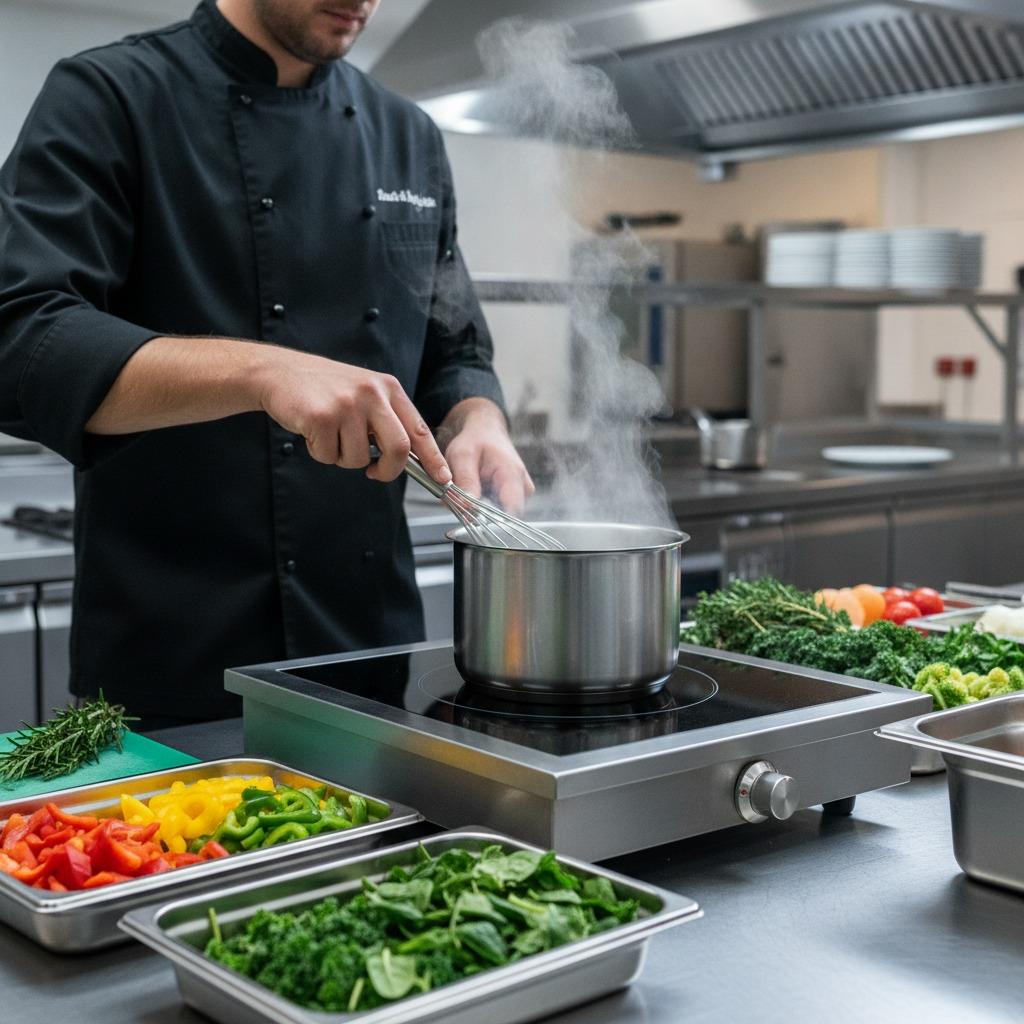
A Solid Hot Plate is no longer just a back-of-house convenience item. In commercial kitchens, catering setups, dorm rooms, and even compact home cooking stations, buyers now look at it as a practical answer to a familiar problem: how to add reliable heat without committing to a full range. That shift is part of a wider trend toward flexible cooking equipment, especially where space, portability, and fast setup matter more than sheer capacity.
The pressure behind that trend is easy to understand. Foodservice operators want backup cooking during peak service. Retail buyers want countertop appliances that are simple to use and easy to move. Product teams want a format that can cover warming, simmering, searing, and tabletop service without complicating procurement. A countertop electric hot plate fits that brief better than many people expected a few years ago.
What the current market is asking for
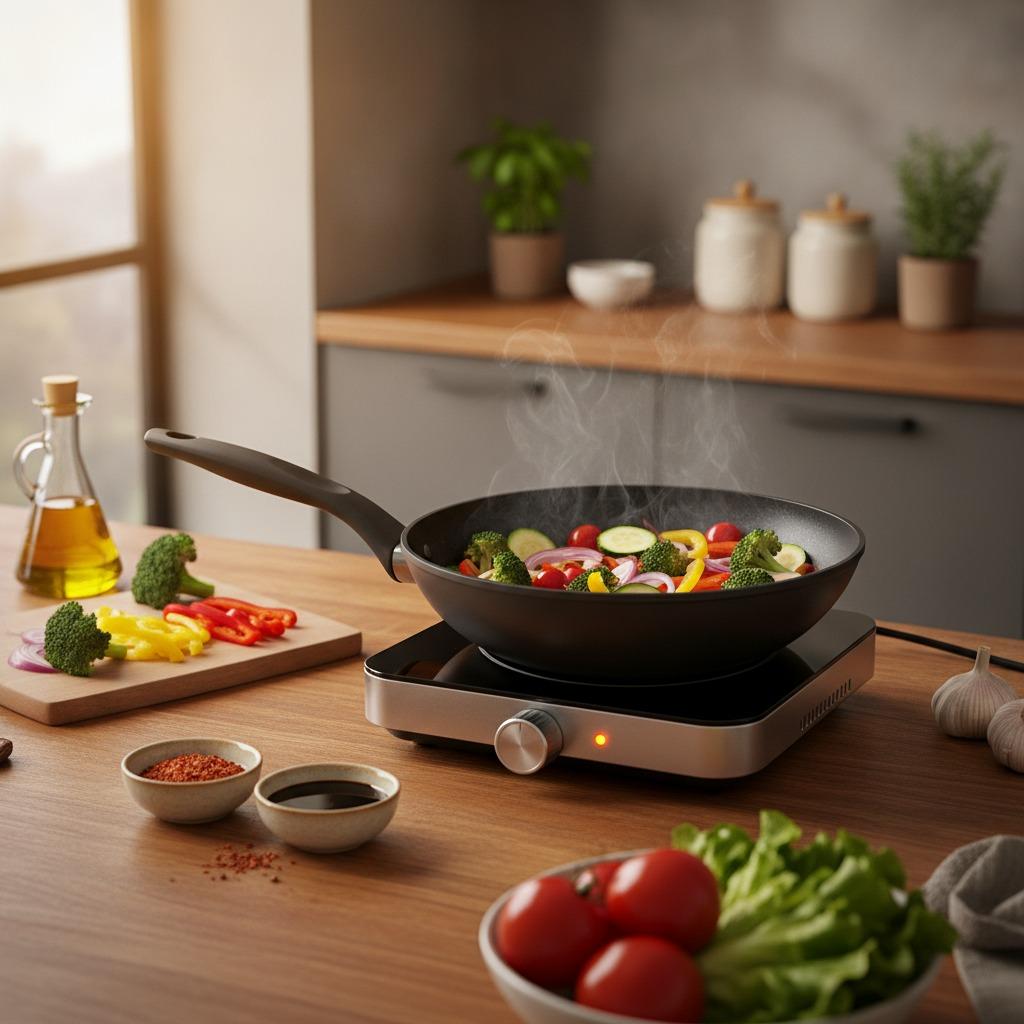
One reason the Portable Hot Plate category keeps growing is that kitchens are more mixed-use than they used to be. A single unit may need to support buffet warming in the morning, small-batch cooking at lunch, then food finishing later in the day. That means buyers are not only judging heat output. They are looking for controls, durability, and how easy the unit is to place, carry, and clean.
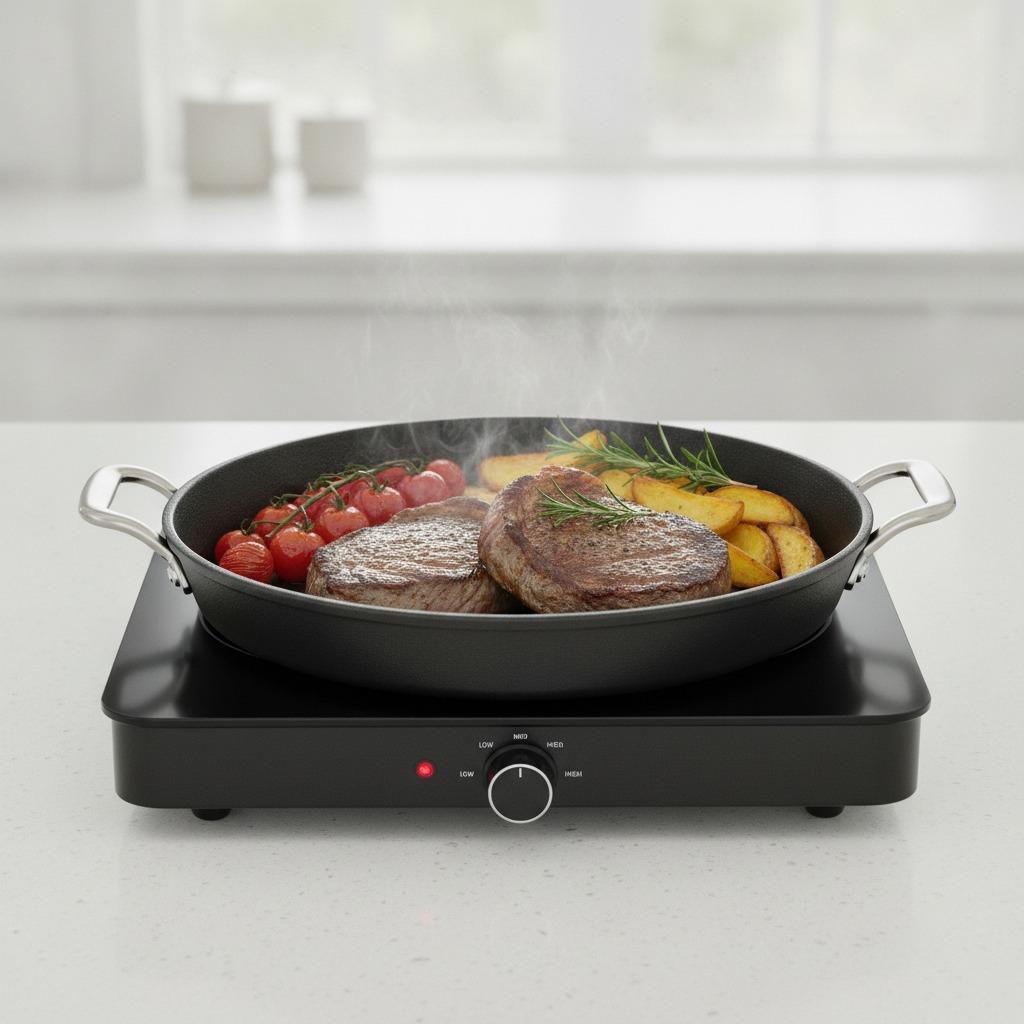
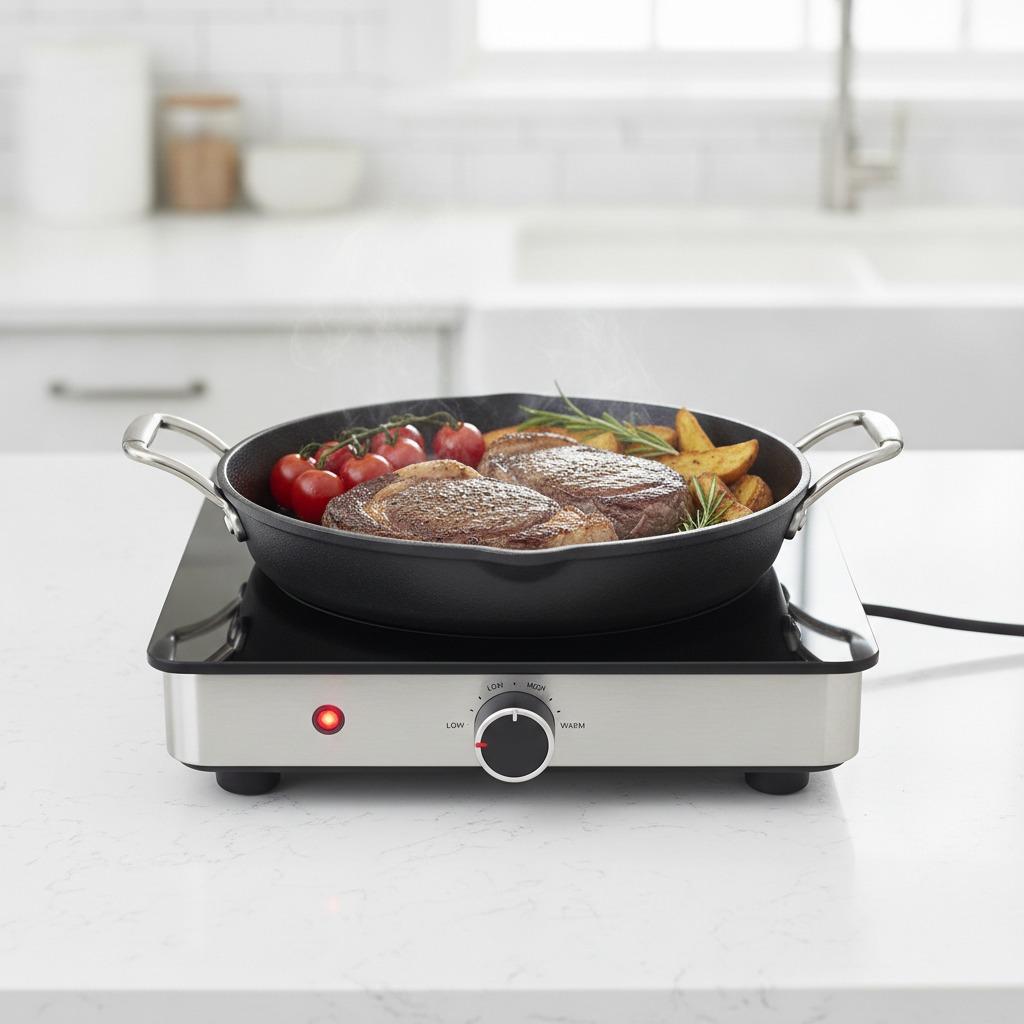
The visible product format here reflects that direction well: a compact single-zone appliance with a rotary control, a red indicator light, and stainless-steel side handles. Those details may sound basic, but they are exactly the details that matter when the appliance is handled by multiple users or moved between prep areas. A simple control dial with marked settings such as OFF, LOW, MED, HIGH, and WARM can reduce operator confusion. In a busy kitchen, that matters more than decorative features.
Why the build style still matters
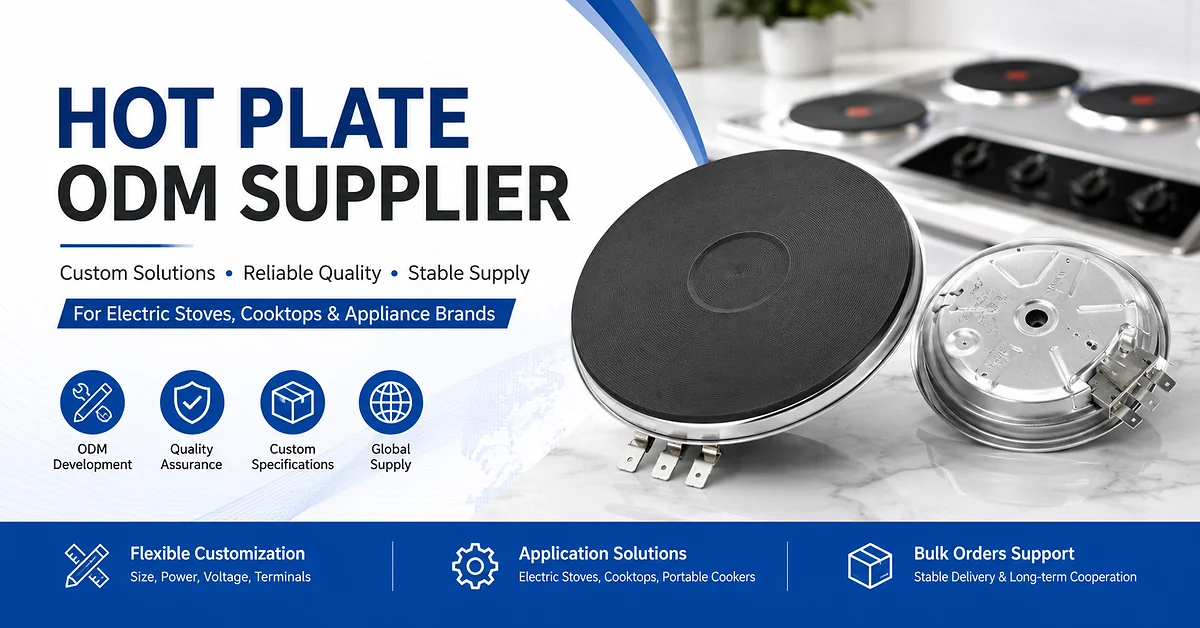
The phrase Electric Hot Plate covers a lot of ground, but construction type still influences how the unit is used. A Cast Iron Hot Plate, for example, is often associated with strong thermal mass and a sturdy feel. That can be attractive for buyers who want steadier heat behavior or a more rugged tabletop solution. On the other hand, modern buyers sometimes prefer smoother surfaces or lighter housings when portability and wipe-down time are priorities.
The unit shown appears to use a flat, glossy cooking surface and a black rectangular body with rounded edges. The exact surface material is not fully visible, so it would be unwise to overstate what it is. Still, the overall format suggests the market’s current preference: compact, minimal, and easy to deploy without a learning curve.
Where a kitchen hot plate fits best
A Kitchen Hot Plate has become more versatile than its old reputation suggests. It is not just a dorm-room backup anymore. Buyers now use these units for:
- tabletop cooking and food finishing
- buffet warming and catering service
- small kitchen backup cooking
- searing or simmering in limited spaces
- temporary prep stations during events or seasonal peaks
In that sense, the market is moving toward multi-role appliances. A Fast Heating Hot Plate is attractive, but fast heating alone does not solve every buyer concern. Heat consistency, safety cues, and ease of control are often just as important. That is especially true in shared-use environments, where one person’s “high heat” may be another person’s overcooked sauce.
Selection criteria buyers should not skip
When sourcing this category, engineers and product teams should look beyond the headline claim. The practical questions are usually the most revealing:
Control behavior
Does the dial give clear heat staging? Are the labels visible and intuitive? A simple interface can reduce support issues and training time.
Unit stability and carry features
Side handles, rounded corners, and a stable footprint are not cosmetic details. They affect whether the appliance feels safe on a crowded countertop.
Service environment
A hot plate used for home cooking has different expectations than one used for catering or warming. Matching the format to the job avoids overbuying or underbuying.
Cleaning and maintenance
Buyers often overlook this. A compact unit may be easy to move, but if the surface and housing trap residue, daily use becomes a nuisance quickly.
Common mistakes in this category
One recurring mistake is assuming all portable units behave the same. They do not. Another is choosing on price alone and discovering later that the control markings are vague or the appliance does not suit the intended cookware. A cast-iron pan, for instance, brings different heat behavior than lighter cookware, and not every tabletop cooker is equally comfortable with that load.
There is also a quiet procurement risk in overpromising specifications. If wattage, voltage, or surface material are not verified, buyers should not build a program around assumptions. That sounds obvious, but it is where many sample approvals go sideways.
What manufacturers are signaling now
Companies such as GUANGDONG WEBO TECHNOLOGY Co., LTD are part of a broader manufacturing trend toward compliance-driven appliance production. With more than 500 employees, roughly $40 million in annual turnover, and management systems aligned with ISO 9001 and ISO 14001, the company profile points to the kind of supplier structure many B2B buyers now prefer: established, process-oriented, and capable of serving varied market requirements. The listed certifications, including VDE, TUV, UL, CE, and ROHS, also reflect how global the buyer base for tabletop heating appliances has become.
That matters because the market is not just asking for a usable Solid Hot Plate. It is asking for a product that can move across channels, regions, and compliance expectations without constant redesign.
Buyer takeaway
If you are sourcing this category, focus on use case first, then on construction, controls, and compliance. A well-chosen Portable Hot Plate can solve a real operational gap, but only if it matches the setting it will serve.
For teams comparing models, the next step is usually to request verified electrical specifications, surface material details, and a sample evaluation under the exact cookware and loading conditions you expect to use. That is the quickest way to separate a genuinely practical appliance from one that merely looks compact on paper.