


Choosing a reliable solid hot plate factory is important for appliance brands, electric stove manufacturers, importers, wholesalers, repair parts distributors, and OEM buyers. A solid hot plate is a key electric heating component used in electric stoves, portable cookers, cooktops, small kitchen appliances, and replacement heating systems.
For B2B buyers, the real challenge is not only finding a hot plate that can heat. The key is finding a factory that can keep product quality stable across repeated orders, match technical requirements, support customization, provide export-ready packaging, and reduce after-sales risk.
A professional solid hot plate factory can help buyers improve heating performance, reduce sourcing mistakes, and build a more reliable supply chain.
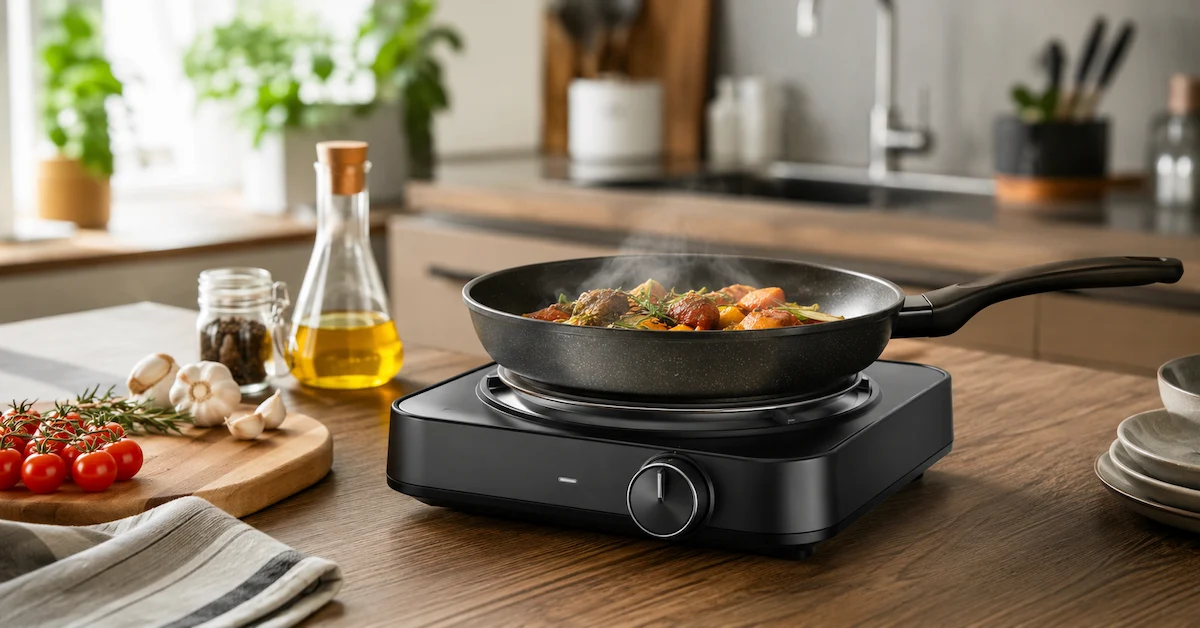
What Does a Solid Hot Plate Factory Produce?
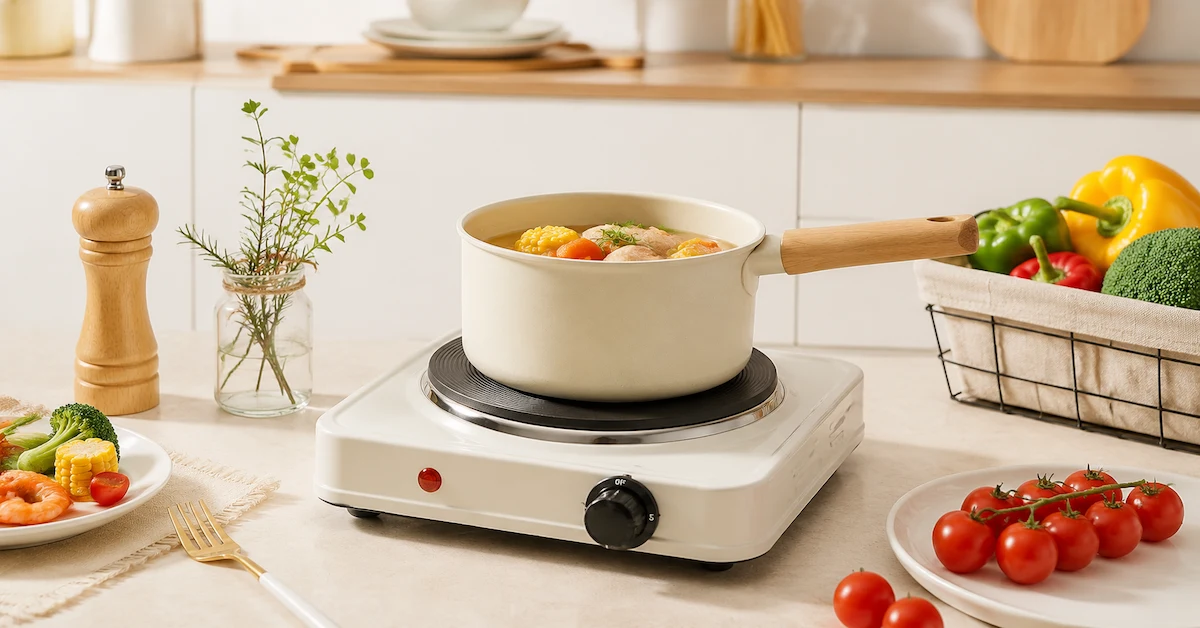
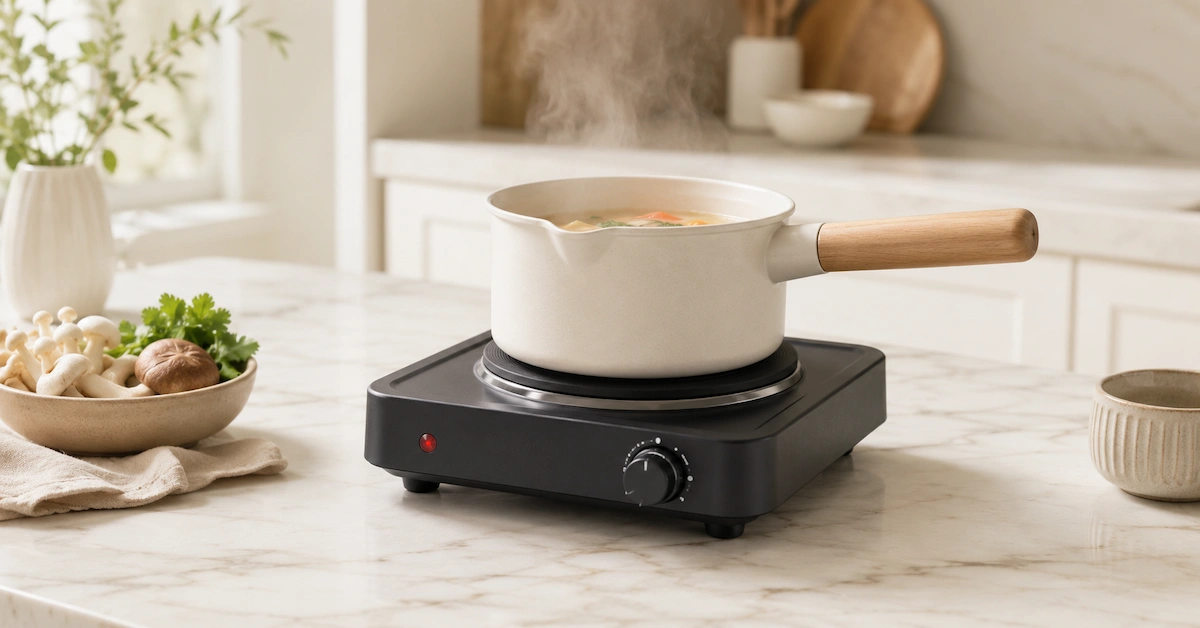
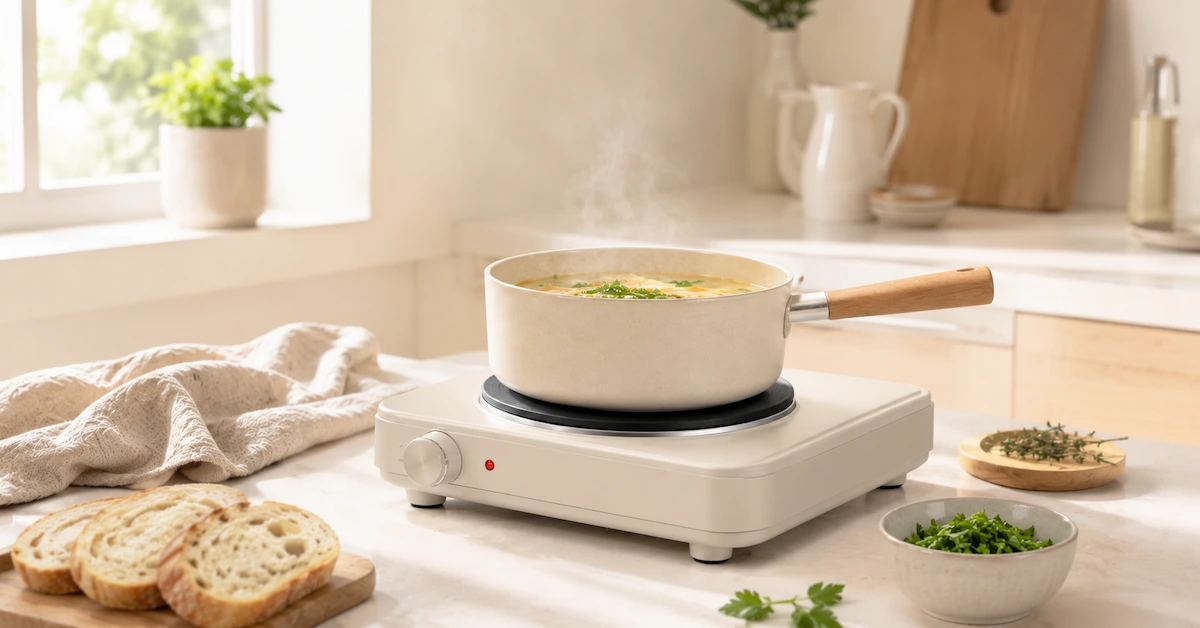
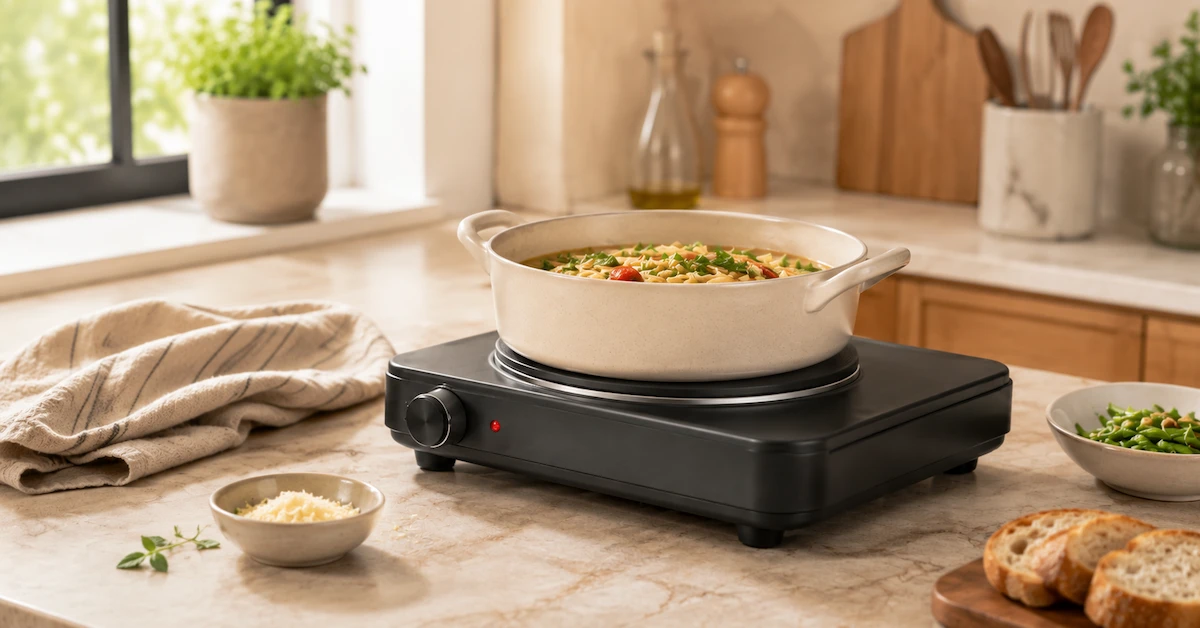
A solid hot plate factory produces electric heating plates designed for direct contact heating. These products usually include a black heating surface, metal housing, terminal connection, and mounting structure. They are commonly used in electric cooking appliances and replacement parts markets.
A qualified factory can usually support:
- Standard solid hot plates
- Custom size hot plates
- Different voltage and power options
- Terminal structure matching
- Mounting structure adjustment
- Bulk production
- OEM and ODM projects
- Export packaging
- Private label support
WEBO supplies solid hot plates as part of its complete heating element product range. Buyers can explore related categories on the WEBO products page.
Why Work Directly with a Solid Hot Plate Factory?
Working directly with a solid hot plate factory gives buyers better control over product specifications, sample testing, production quality, and long-term supply planning.
Compared with a general trading supplier, a factory can usually provide clearer technical support. This is especially useful when buyers need to confirm diameter, voltage, power, terminal layout, mounting structure, packaging, and certification requirements before mass production.
Direct factory cooperation is suitable for buyers who need:
| Buyer Need | Factory Value |
|---|---|
| Stable bulk supply | Better control over production planning |
| OEM customization | Direct communication on size, power, and terminals |
| Sample testing | Easier product adjustment before mass production |
| Batch consistency | More reliable repeat order quality |
| Export packaging | Better protection during shipment |
| Long-term cooperation | Stable supply for brands and distributors |
For appliance brands and importers, a factory relationship can reduce communication delays and help prevent specification errors.
Who Needs a Solid Hot Plate Factory?
Different B2B buyers choose a solid hot plate factory for different reasons.
Electric Stove Manufacturers
Electric stove manufacturers need heating plates that match their appliance structure, wiring, power requirement, and control system. A small mismatch may affect assembly efficiency or heating performance.
Portable Cooker Brands
Portable cooker brands need compact, durable, and stable hot plates. Product size, heating speed, safety, and surface durability are important.
Importers and Wholesalers
Importers and wholesalers need export-ready packaging, stable specifications, and repeat supply. They usually care about bulk pricing, carton protection, and market compatibility.
Repair Parts Distributors
Replacement parts distributors need consistent dimensions and terminal layouts. If specifications change between batches, the product may not fit repair markets.
OEM and Private Label Buyers
OEM buyers need custom specifications, sample confirmation, packaging support, and long-term production stability.
Key Specifications to Confirm with a Factory
Before ordering from a solid hot plate factory, buyers should confirm technical details carefully. Product photos alone are not enough for B2B sourcing.
| Specification | Why It Matters |
| Diameter | Must match the appliance or cooktop structure |
| Voltage | Needs to suit the destination market |
| Power | Affects heating speed and performance |
| Surface finish | Influences durability and appearance |
| Terminal type | Must match internal wiring |
| Mounting structure | Affects installation stability |
| Packaging method | Protects products during export shipping |
| Certification needs | Supports market compliance and buyer confidence |
Common solid hot plate sizes may include 90mm, 110mm, and 145mm. For OEM projects, buyers may also require custom diameter, voltage, power, terminal position, or packaging design.
Why Factory Quality Control Matters
Solid hot plates work through repeated heating and cooling cycles. If materials, terminals, insulation, or surface treatment are not controlled well, quality problems may appear after the product enters the market.
Common risks from weak factory control include:
- Slow heating
- Uneven heat transfer
- Surface discoloration
- Loose terminals
- Short service life
- Poor installation fit
- Higher return rates
- Shipping damage
- Customer complaints
A professional solid hot plate factory should control product quality from raw materials to final packaging.
Important QC steps may include:
- Material inspection
- Dimension checking
- Surface appearance inspection
- Power testing
- Terminal connection inspection
- Insulation resistance testing
- Temperature performance testing
- Final packaging inspection
For bulk buyers, the most important point is not one good sample. It is stable quality across repeated production batches.
OEM and Custom Support from a Solid Hot Plate Factory
Many buyers do not only need standard products. Appliance brands and private label customers often need hot plates matched to specific product structures or regional market requirements.
A capable solid hot plate factory can support:
- Custom diameter
- Custom voltage
- Custom power
- Terminal layout adjustment
- Mounting structure matching
- Surface treatment options
- Sample development
- Private label packaging
- Export carton customization
- Bulk order planning
This support is especially valuable for electric stove brands, portable cooker projects, cooktop product development, and replacement parts programs.
Solid Hot Plate Applications
Electric Stoves
Solid hot plates are widely used in electric stoves because they provide direct heating, durable structure, and practical installation. The product must match the stove body, wiring system, and control components.
Portable Electric Cookers
Portable cookers require compact heating plates with stable performance. Solid hot plates are suitable for products that need simple structure, reliable heating, and cost control.
Cooktop Products
Some cooktop applications require specific heating plate size, mounting structure, or control compatibility. Factory support helps prevent fitting issues during assembly.
Replacement Parts
Repair parts distributors need stable hot plate dimensions and terminal structures. Repeat order consistency is critical for replacement markets.
Small Kitchen Appliances
Solid hot plates can be used as core heating components in small kitchen appliances where stable heating, safety, and durability are important.
How to Choose a Reliable Solid Hot Plate Factory
1. Check Manufacturing Experience
A reliable factory should understand electric heating performance, terminal connection, insulation requirements, product structure, and application compatibility.
WEBO has long-term experience in heating element products, including Hot Plate, Ceramic Heater, Tube Heating Element, Cast Iron Pan Support, Induction Coil, Ceramic Glass, Rotary Switch, and Energy Regulator. Buyers can learn more about WEBO through the company introduction page.
2. Review Product Range
A factory with a wider heating component range can support more complete appliance projects. For example, a buyer may need not only a solid hot plate but also a rotary switch, energy regulator, ceramic glass, or other cooktop component.
3. Confirm Sample Approval Process
Sample approval helps buyers check product performance before bulk production. Buyers should test heating speed, fitting accuracy, terminal connection, mounting structure, surface appearance, and packaging protection.
4. Ask About Batch Consistency
For importers, wholesalers, and appliance brands, repeat order stability is very important. The factory should be able to keep specifications consistent across batches.
5. Check Export and Packaging Support
A good factory should understand export packaging, carton protection, product labeling, mixed SKU packing, and private label requirements.
Common Mistakes When Choosing a Solid Hot Plate Factory
Choosing Only by Low Price
Low price may reduce initial cost, but poor product quality can increase long-term costs through returns, complaints, and replacement claims.
Not Confirming Technical Details
Diameter, voltage, power, terminal layout, and mounting structure must be confirmed before order approval.
Skipping Sample Testing
Sample testing helps confirm whether the hot plate fits the appliance and meets performance expectations.
Ignoring Packaging
Solid hot plates are metal components. Poor packaging can cause scratches, deformation, terminal damage, or carton breakage during shipping.
Not Planning Long-Term Supply
Bulk buyers and distributors need stable repeat production, not only a one-time purchase.
What Buyers Should Prepare Before Requesting a Quote
To get an accurate quotation from a solid hot plate factory, buyers should prepare clear project details.
| Information | Example |
| Product application | Electric stove, portable cooker, replacement part |
| Required size | 90mm, 110mm, 145mm, or custom |
| Voltage and power | Based on destination market |
| Quantity | Sample order, trial order, bulk order |
| Terminal type | Based on internal wiring |
| Mounting method | Based on appliance structure |
| Certification needs | CE, RoHS, UL, VDE, TUV |
| Packaging | Bulk carton, private label, export box |
| Sample or drawing | Existing sample, photo, or technical drawing |
Clear information helps the factory recommend the correct model and reduce quotation errors.
Why Choose WEBO as Your Solid Hot Plate Factory?
WEBO supports global B2B buyers with solid hot plates and related appliance heating components. Its product range covers Hot Plate, Ceramic Heater, Tube Heating Element, Cast Iron Pan Support, Induction Coil, Ceramic Glass, Rotary Switch, and Energy Regulator.
As a solid hot plate factory, WEBO can support:
- Electric solid hot plate production
- Standard and custom hot plate options
- OEM and ODM project support
- Bulk order production
- Export packaging
- Private label support
- Related heating component sourcing
- Long-term cooperation for appliance brands and distributors
WEBO is suitable for appliance manufacturers, importers, wholesalers, repair parts suppliers, OEM buyers, and private label customers.
To review available heating component categories, visit the WEBO products page. For custom sizes, samples, drawings, packaging, or bulk order requirements, contact WEBO with your project details.
FAQ
1. What does a solid hot plate factory produce?
A solid hot plate factory produces electric heating plates used in electric stoves, portable cookers, cooktops, small appliances, and replacement parts.
2. Why should buyers work directly with a solid hot plate factory?
Working directly with a factory helps buyers confirm specifications, test samples, control quality, support customization, and secure long-term bulk supply.
3. Can solid hot plates be customized?
Yes. Solid hot plates can be customized by size, voltage, power, terminal structure, mounting method, surface finish, packaging, and private label requirements.
4. What information is needed for a quotation?
Buyers should provide application, size, voltage, power, quantity, terminal type, mounting method, certification needs, packaging, and samples or drawings if available.
5. Are solid hot plates suitable for portable electric cookers?
Yes. Solid hot plates are commonly used in portable electric cookers because they offer stable heating, simple structure, and durable performance.
6. Why is sample testing important before bulk production?
Sample testing helps confirm heating performance, installation compatibility, surface quality, terminal structure, and packaging before mass production.
7. How can I contact WEBO for solid hot plate factory orders?
You can send your specifications, drawings, samples, quantity, and packaging needs through the WEBO contact page.
Conclusion
Choosing the right solid hot plate factory helps buyers reduce sourcing risk, improve product compatibility, and secure stable long-term supply. Before placing an order, buyers should check manufacturing experience, product specifications, sample testing, quality control, packaging, certification support, OEM ability, and repeat order capacity.
For electric stove manufacturers, portable cooker brands, importers, wholesalers, distributors, and OEM buyers, WEBO provides solid hot plates and related heating element solutions for different B2B applications. You can also visit the WEBO blog for more heating component selection guides and sourcing insights.