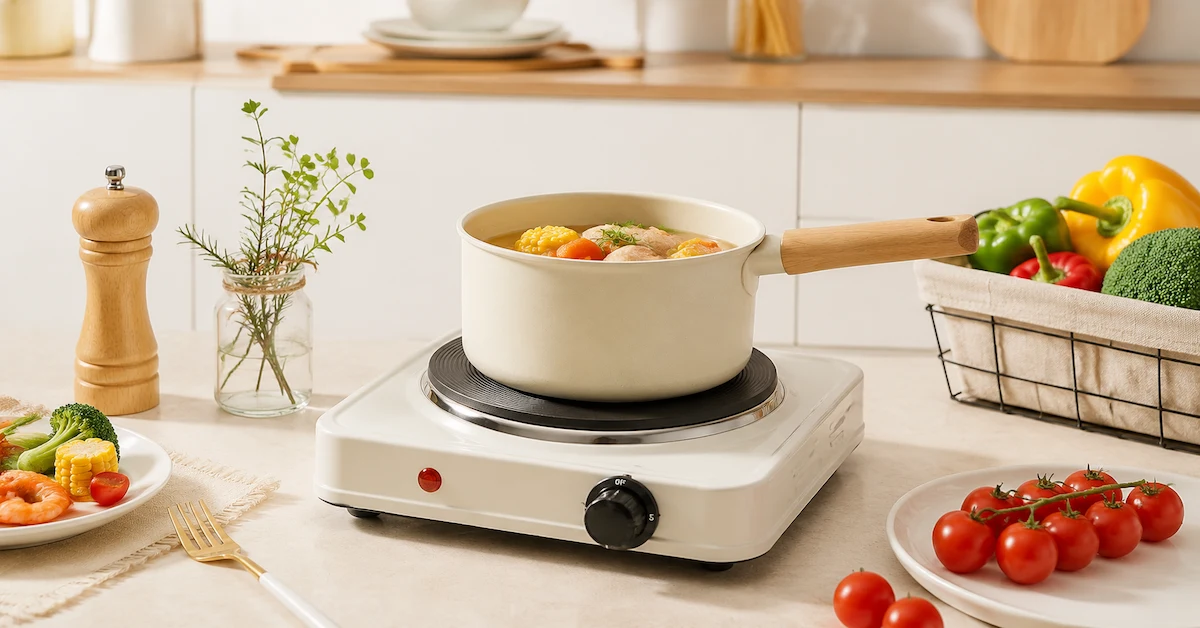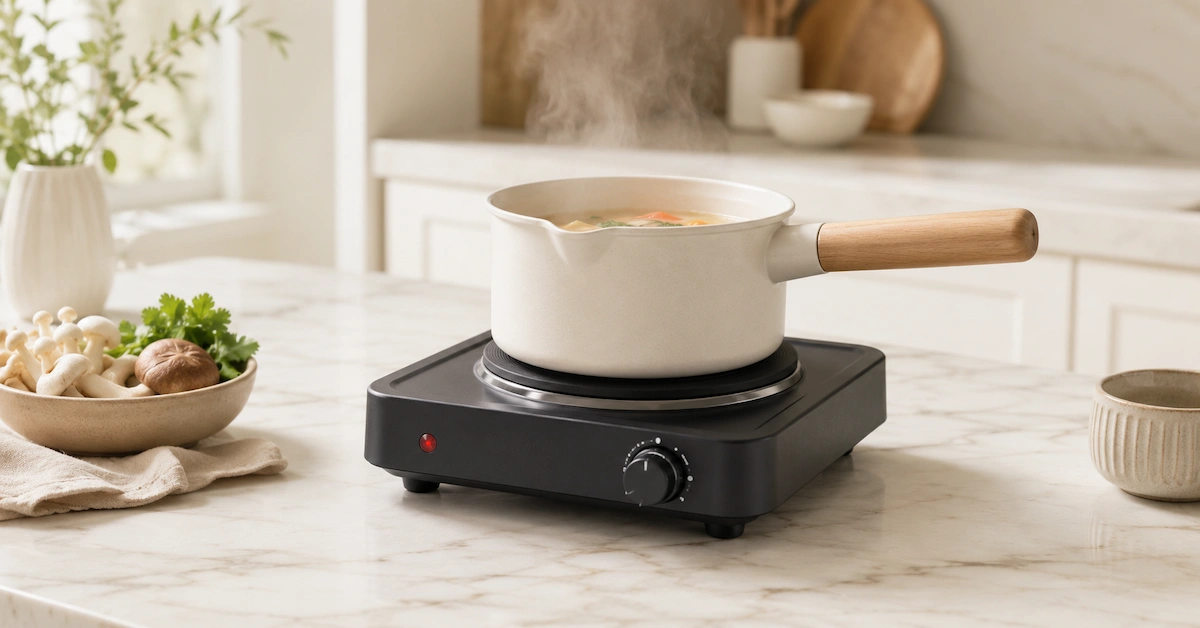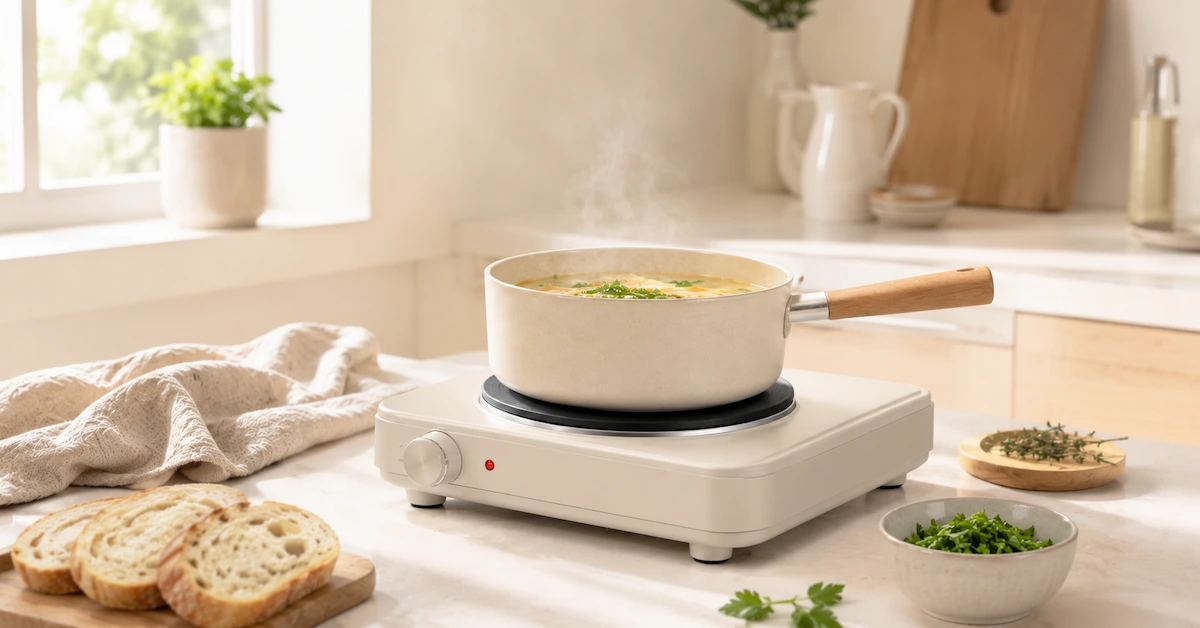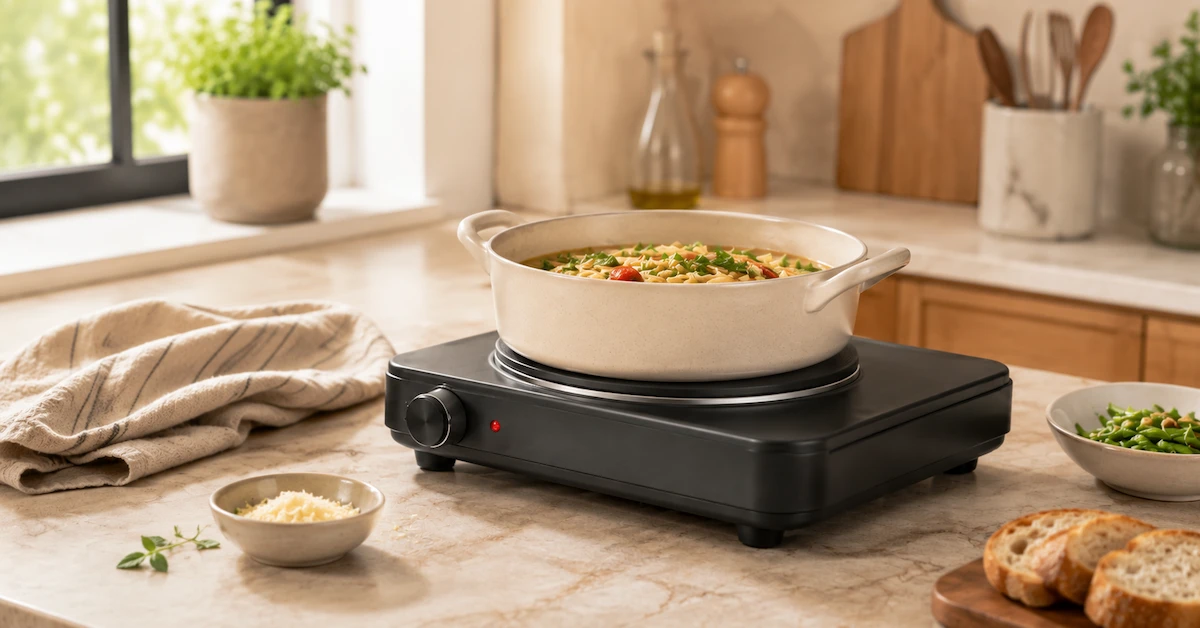



Choosing the right hot plate OEM manufacturer is important for appliance brands, electric stove factories, importers, and distributors that need customized heating components. A hot plate is not just a standard spare part. It affects heating speed, product safety, installation structure, user experience, and long-term after-sales performance.
For OEM buyers, the challenge is usually not whether a supplier can provide a hot plate. The real question is whether the manufacturer can match your product design, target market, voltage requirement, power setting, terminal layout, packaging standard, and certification needs.
A reliable hot plate OEM manufacturer can help reduce development risk, shorten sourcing communication, and support stable mass production for electric appliances.
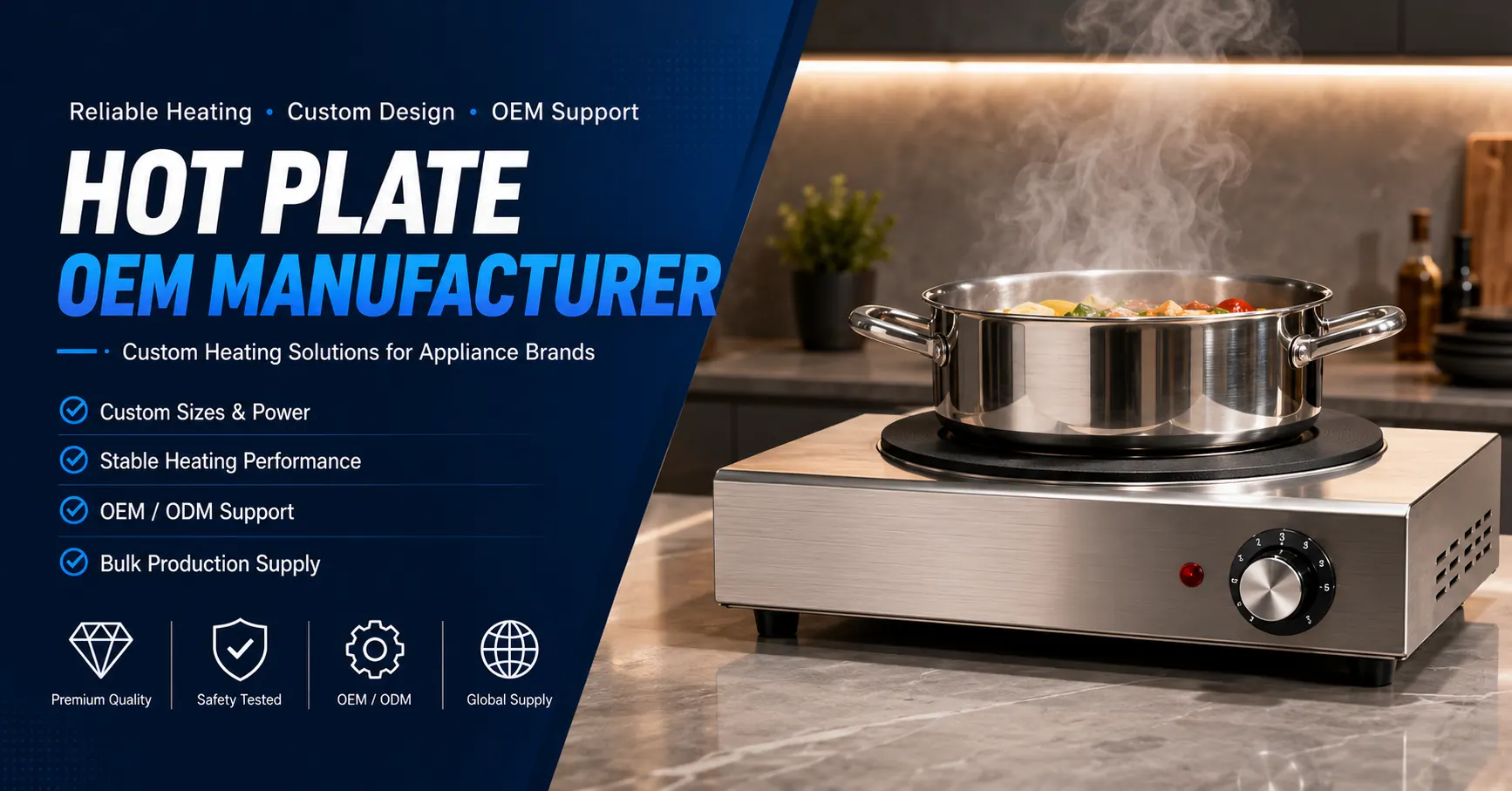
What Is a Hot Plate OEM Manufacturer?
A hot plate OEM manufacturer produces electric hot plates based on the buyer’s product requirements. Instead of only supplying standard models, an OEM manufacturer can adjust size, voltage, power, mounting structure, terminal connection, surface finish, and packaging according to the appliance design.
OEM hot plates are commonly used in:
- Electric stoves
- Portable electric cookers
- Small kitchen appliances
- Cooktop heating systems
- Replacement parts programs
- Commercial heating equipment
- Private label appliance projects
WEBO provides hot plates as part of its heating element product range. Buyers can review related categories on the WEBO products page.
Why OEM Customization Matters for Hot Plate Buyers
For appliance brands and factories, a small mismatch can create major problems during production. If the hot plate diameter is incorrect, the product may not fit the appliance housing. If the terminal structure is different, assembly may slow down. If the power does not match the design, heating performance may fail to meet customer expectations.
OEM customization helps buyers control these details before mass production.
A professional hot plate OEM manufacturer can support:
| OEM Requirement | Why It Matters |
|---|---|
| Custom diameter | Matches appliance housing and cooktop structure |
| Voltage options | Supports different export markets |
| Power customization | Controls heating speed and performance |
| Terminal structure | Fits wiring and assembly process |
| Mounting method | Improves installation stability |
| Surface treatment | Supports durability and appearance |
| Packaging design | Fits brand, distribution, or export needs |
| Sample development | Reduces mass production risk |
For brands launching new appliance models, OEM support is especially important because the hot plate becomes part of the final product design.
Key Information to Provide Before OEM Development
Before contacting a hot plate OEM manufacturer, buyers should prepare clear technical information. This helps the manufacturer recommend the right solution and avoid repeated communication.
| Information | Example |
| Product application | Electric stove, portable cooker, cooktop |
| Required size | 90mm, 110mm, 145mm, or custom diameter |
| Voltage | Based on target market |
| Power | Based on heating performance requirement |
| Terminal type | Based on internal wiring design |
| Mounting structure | Based on appliance assembly method |
| Surface finish | Based on durability and appearance needs |
| Certification | CE, RoHS, UL, VDE, TUV, or other requirements |
| Packaging | Bulk carton, private label, barcode, color box |
| Quantity | Sample order, trial order, or mass production |
If the buyer already has a sample, drawing, or technical specification sheet, the OEM process becomes faster and more accurate.
How to Evaluate a Hot Plate OEM Manufacturer
1. Manufacturing Experience
OEM heating components require more than basic production ability. The manufacturer must understand electrical heating, material stability, product compatibility, terminal connection, and quality control.
A supplier with limited experience may provide a low quotation but struggle with sample adjustment, batch consistency, or export requirements. For appliance brands, this can delay product launch or increase after-sales risk.
WEBO has long-term experience in heating element manufacturing and supplies hot plates, ceramic heaters, tube heating elements, induction coils, ceramic glass, rotary switches, energy regulators, and related appliance heating parts. Buyers can learn more about WEBO through the company introduction page.
2. Technical Communication Ability
A good hot plate OEM manufacturer should be able to discuss technical details clearly. Buyers should check whether the supplier can answer questions about diameter, voltage, power, heating performance, terminal position, installation method, and packaging.
If a supplier only sends a price list without confirming technical details, the risk of receiving the wrong product is higher.
3. Sample Development Process
For OEM projects, sample approval is a key step. Buyers should confirm:
- Sample lead time
- Sample testing method
- Whether adjustments are possible
- What information is needed before sampling
- Whether the final sample will match mass production
- How changes are recorded before bulk order confirmation
A clear sample process helps both sides avoid misunderstanding.
4. Quality Control Standards
Hot plates need stable performance across repeated heating cycles. Quality control should cover both appearance and electrical performance.
Common inspection items include:
- Dimension checking
- Surface appearance inspection
- Power testing
- Insulation resistance testing
- Terminal connection checking
- Mounting structure checking
- Temperature performance testing
- Final packaging inspection
For OEM buyers, batch consistency is more important than one good sample. A reliable manufacturer should control quality during mass production, not only after production is finished.
OEM Hot Plate Applications
Electric Stove Manufacturing
Electric stove manufacturers need hot plates that match housing size, wiring structure, control system, and target market standards. OEM customization helps improve product compatibility.
Portable Electric Cookers
Portable cookers require compact design, stable heating, and reliable installation. A custom hot plate can help balance performance, cost, and product design.
Private Label Appliance Brands
Private label buyers often need custom packaging, labels, cartons, and repeatable product specifications. OEM support helps brands create a more complete product line.
Replacement Parts Programs
Distributors may need hot plates that match existing repair markets. Stable dimensions and terminal consistency are critical for replacement part compatibility.
Commercial Kitchen Equipment
Commercial applications may require stronger durability and longer operating performance. OEM customization can help match specific use environments.
Common OEM Sourcing Mistakes
Choosing Only by Price
Low price may reduce initial cost, but unstable quality can create higher long-term expenses through complaints, returns, and replacement claims.
Skipping Technical Confirmation
Diameter, terminal layout, voltage, power, and mounting method must be confirmed before production. Photos alone are not enough.
Not Testing Samples
Sample testing helps verify heating performance, installation, surface quality, and packaging before bulk orders.
Ignoring Certification Needs
If your product is sold in regulated markets, certification requirements should be discussed before order confirmation.
Not Planning Packaging Early
For OEM and private label projects, packaging should be confirmed before mass production to avoid delays.
Why Choose WEBO as Your Hot Plate OEM Manufacturer?
WEBO supports B2B buyers with hot plates and related heating components for electric appliances, cooktops, portable stoves, replacement parts, and OEM projects.
As a hot plate OEM manufacturer, WEBO can support buyers with:
- Custom hot plate specifications
- OEM size, voltage, and power options
- Terminal and mounting structure matching
- Sample confirmation before mass production
- Bulk order support
- Export packaging options
- Related cooktop heating components
- Long-term cooperation for appliance brands and distributors
WEBO is suitable for electric appliance factories, importers, wholesalers, repair parts distributors, and private label buyers who need reliable heating components.
To review available product categories, visit the WEBO products page. For custom specifications, samples, drawings, or bulk OEM orders, contact WEBO with your project requirements.
FAQ
1. What is a hot plate OEM manufacturer?
A hot plate OEM manufacturer produces electric hot plates based on buyer requirements, including size, voltage, power, terminal type, mounting structure, and packaging.
2. Can hot plates be customized?
Yes. Hot plates can be customized by diameter, voltage, power, terminal layout, surface finish, installation structure, and packaging.
3. What information is needed for OEM hot plate development?
Buyers should provide application, size, voltage, power, terminal structure, mounting method, certification requirements, packaging needs, quantity, and samples or drawings if available.
4. Are OEM hot plates suitable for electric stoves?
Yes. OEM hot plates are widely used in electric stoves, portable cookers, cooktops, and small kitchen appliances.
5. Why is sample testing important?
Sample testing helps confirm heating performance, installation compatibility, terminal structure, surface quality, and packaging before mass production.
6. Can WEBO support private label hot plate projects?
Yes. WEBO can support OEM and private label requirements, including product specifications, packaging, labels, and bulk supply.
7. How can I contact WEBO for OEM hot plate orders?
You can send your drawings, samples, technical requirements, quantity, and packaging needs through the WEBO contact page.
Conclusion
Choosing the right hot plate OEM manufacturer can help appliance buyers reduce development risk, improve product compatibility, and secure stable long-term supply. Before starting an OEM project, buyers should confirm product specifications, sample process, quality control, certification requirements, packaging, and mass production capability.
For appliance brands, electric stove factories, importers, and distributors, WEBO provides custom hot plate solutions and related heating components for different B2B applications. You can also visit the WEBO blog for more product selection guides and heating component insights.