


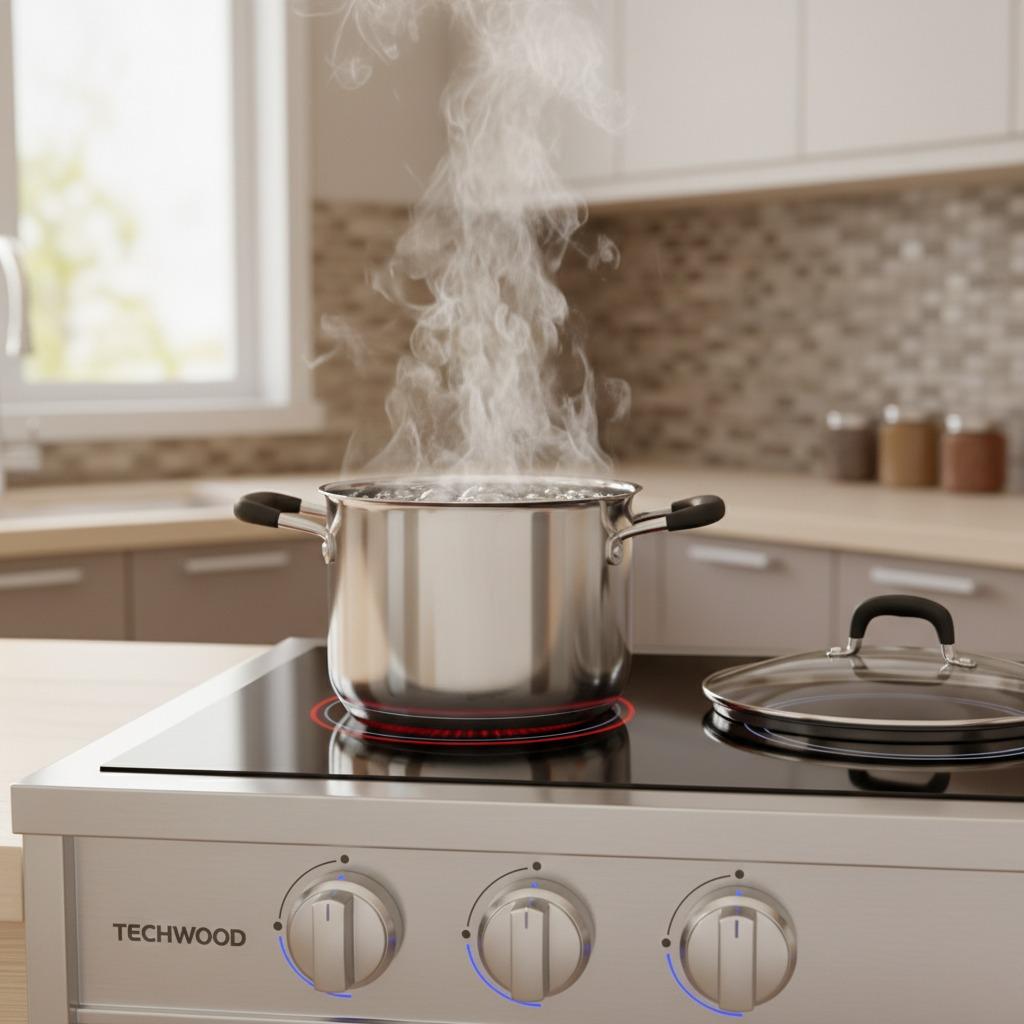
Frequently Asked Questions About Solid Hot Plates
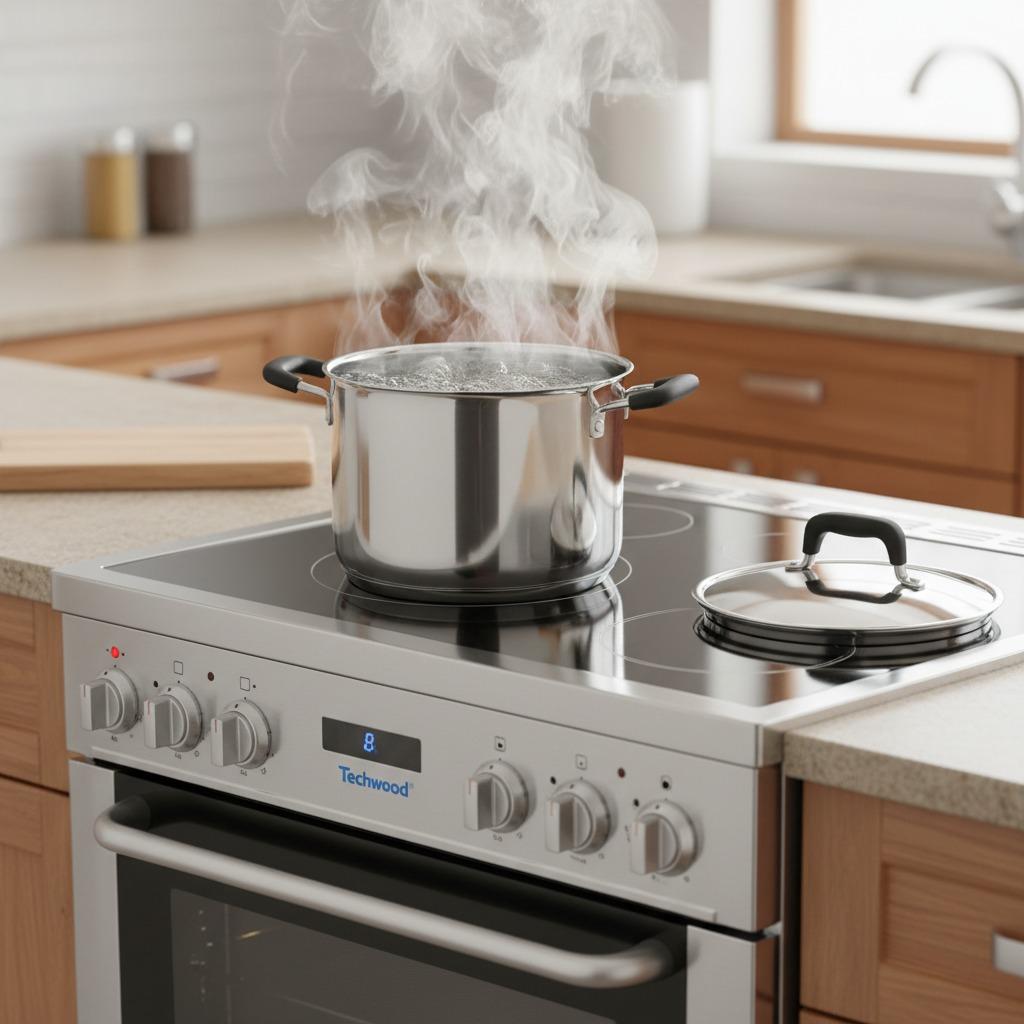
If you're exploring options for reliable heating solutions in the kitchen or lab, a solid hot plate is an essential tool. At GUANGDONG WEBO TECHNOLOGY Co., LTD, we pride ourselves on delivering high-quality products like our Techwood Portable Electric Stove, which embodies the durability and efficiency of a solid hot plate. With over 500 employees and an annual turnover of about $40 million, our company adheres to ISO 9001 and ISO 14001 standards, ensuring certified excellence through VDE, TUV, UL, CE, and ROHS approvals. This guide answers common questions to help you understand why a solid hot plate is a smart choice for your needs.
What is a Solid Hot Plate and How Does It Work?
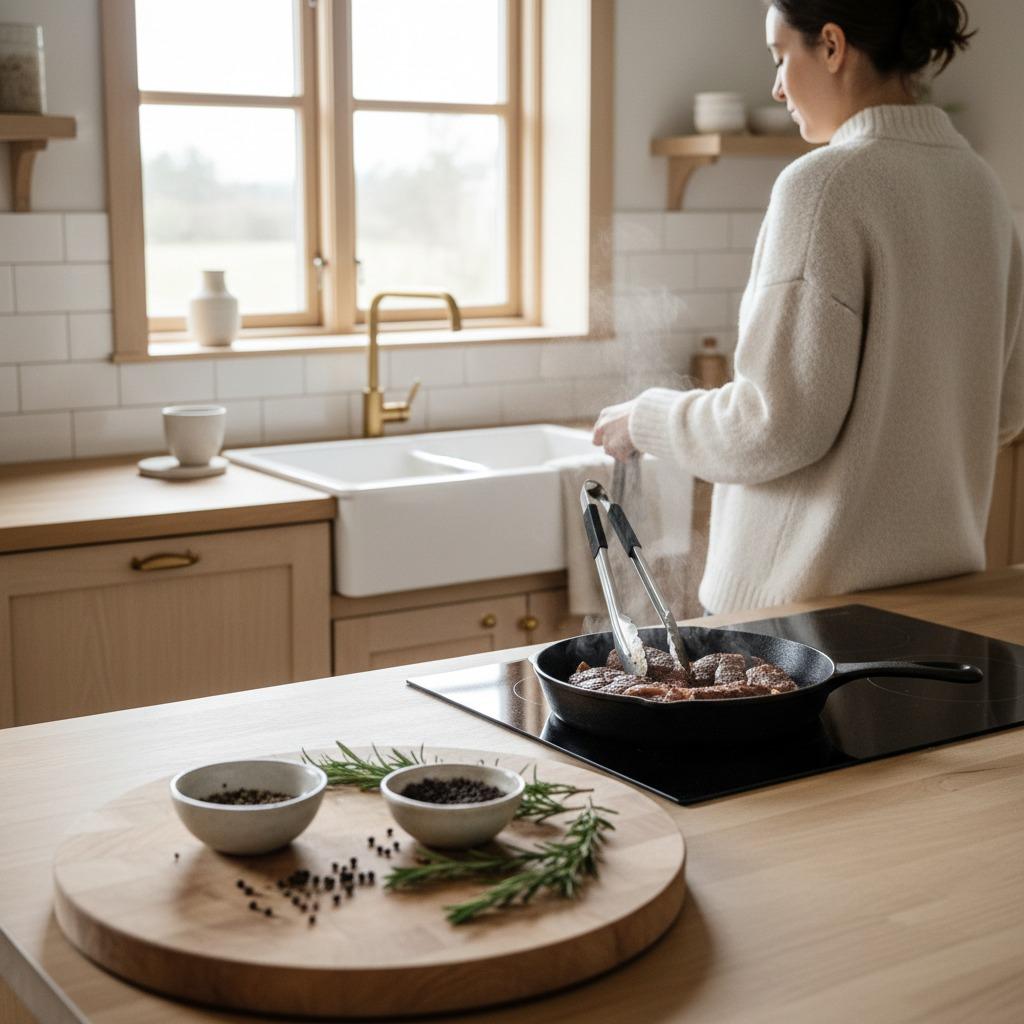
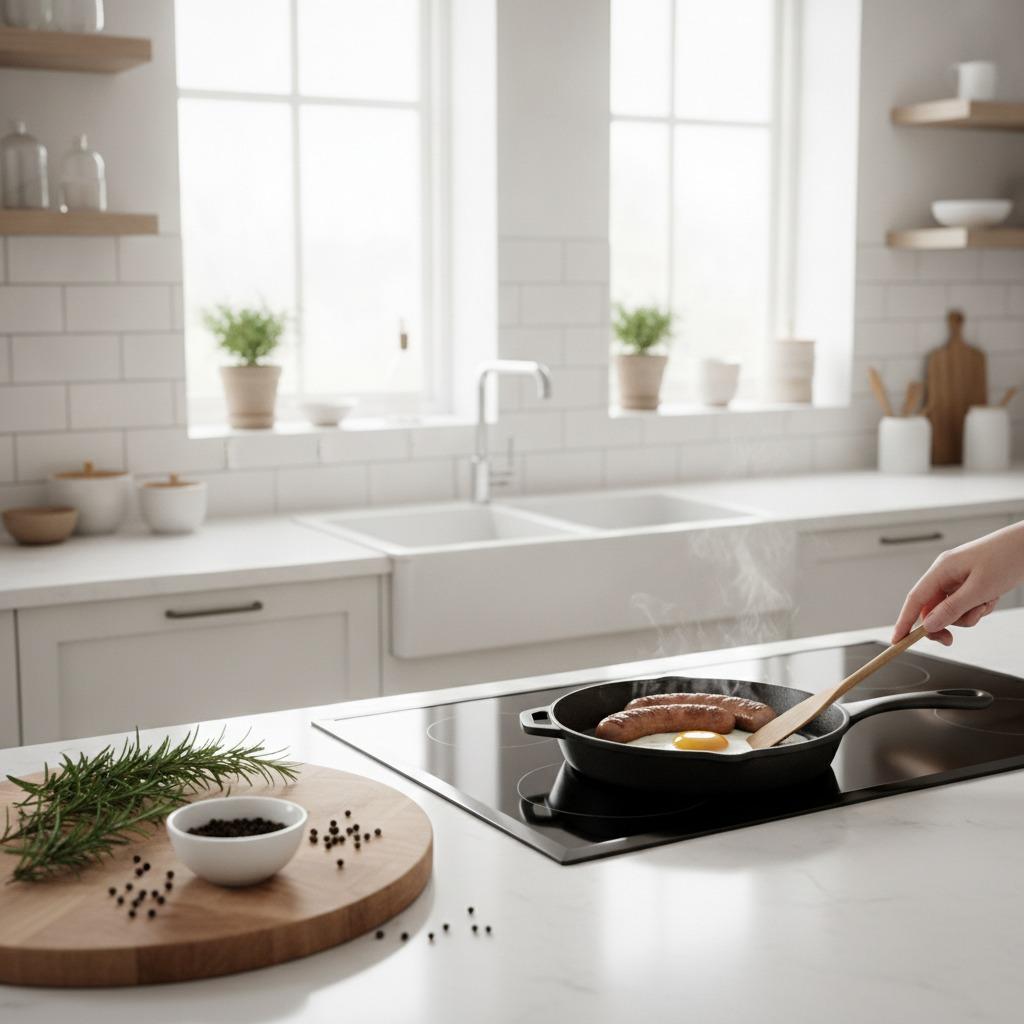
A solid hot plate refers to a sturdy, flat heating surface designed for even heat distribution, often used in both home cooking and professional settings. Unlike open coil models, it features a seamless top that's easy to clean and resistant to spills. Our Techwood Portable Electric Stove exemplifies this as a solid hot plate, with its stainless steel construction providing longevity and a sleek look. It operates via an electric heating element beneath the surface, activated by a simple knob for precise control. This design ensures safety and efficiency, heating up quickly to handle tasks like boiling water or frying foods without hot spots. Ideal for small spaces, this solid hot plate combines portability with powerful performance, making it a go-to for busy households or on-the-go cooking.
What are the Key Types of Solid Hot Plates Available?
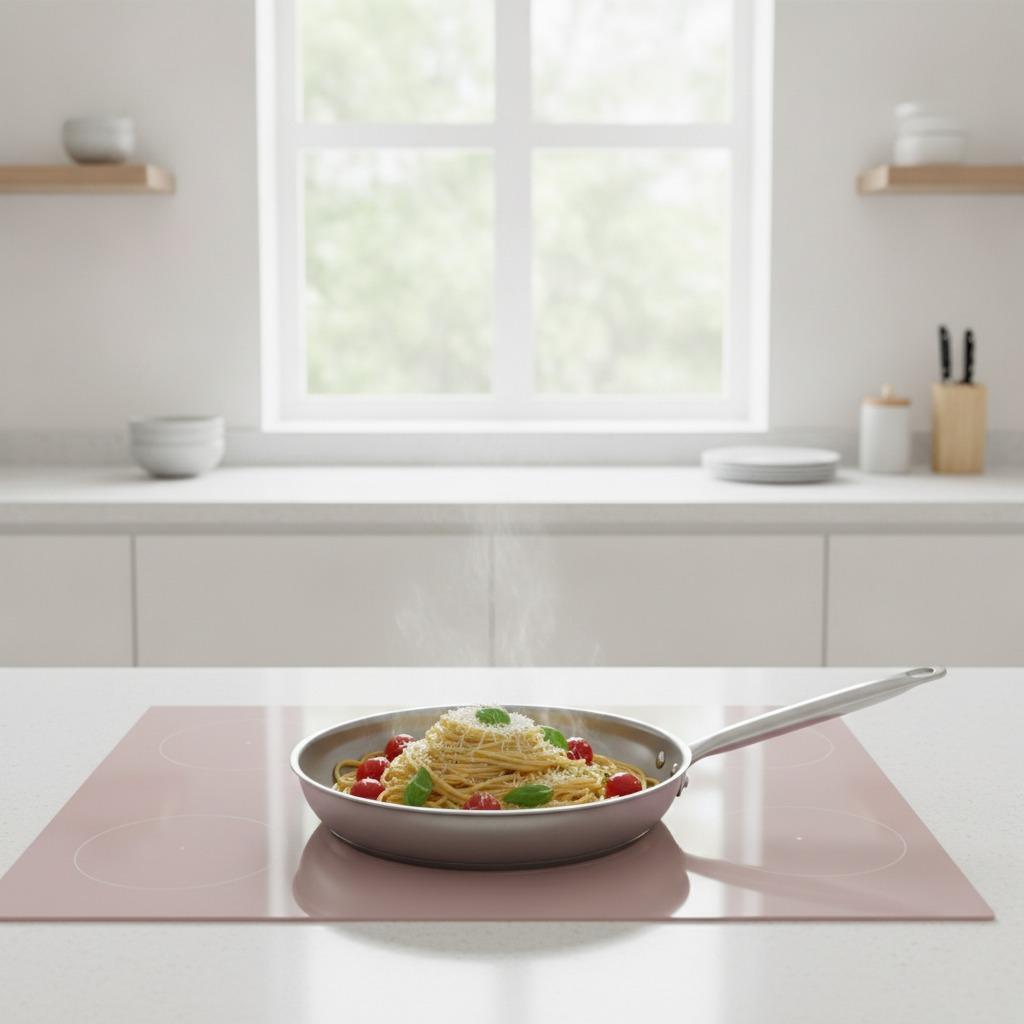
Solid hot plates come in various types to suit different environments, such as a laboratory hot plate for scientific experiments or a heating plate for general use. For instance, an electric hot plate like our Techwood model uses electricity for consistent heating, while a ceramic hot plate offers a smooth, non-porous surface that's chemical-resistant and perfect for labs. An induction hot plate, on the other hand, uses magnetic fields to heat compatible cookware directly, providing faster and more energy-efficient results. At GUANGDONG WEBO TECHNOLOGY Co., LTD, we focus on versatile options that meet global standards, ensuring our products like the portable hot plate are safe and reliable. Whether you need a laboratory hot plate for precise temperature control or an electric hot plate for everyday meals, these variations cater to specific needs while maintaining high safety features.
Why Choose a Portable Hot Plate for Convenience?
A portable hot plate stands out for its mobility and ease of use, making it ideal for camping, dorms, or supplemental kitchen heating. Our Techwood Portable Electric Stove, as a prime example of a portable hot plate, features non-slip feet for stability on any surface and a compact design that stores easily. Users often ask about its energy efficiency—yes, it consumes power only when in use, reducing bills compared to full-sized stoves. The integrated control knob allows adjustments from low simmer to high boil, ensuring versatility. Certified by UL and CE, this portable hot plate from GUANGDONG WEBO TECHNOLOGY Co., LTD guarantees safety and durability, with a stainless steel build that withstands daily wear. It's perfect for quick meals without the hassle of traditional setups.
How Do Ceramic and Induction Hot Plates Differ from Traditional Models?
Many wonder about the differences between a ceramic hot plate and an induction hot plate versus classic electric versions. A ceramic hot plate provides a flat, glossy surface that's scratch-resistant and cools down quickly after use, making it safer for families or lab environments. In contrast, an induction hot plate heats only the cookware, staying cool to the touch otherwise, which minimizes burn risks and enhances energy savings. Our solid hot plate lineup at GUANGDONG WEBO TECHNOLOGY Co., LTD includes elements of these technologies, like the efficient heating in the Techwood stove. Traditional electric hot plates, while reliable, may take longer to heat up, but they offer broad compatibility with all pots and pans. Choosing depends on your priorities—speed for induction or ease of cleaning for ceramic. Both types align with our commitment to ISO-certified quality, ensuring they meet diverse needs seamlessly.
What Maintenance Tips Should You Follow for Your Solid Hot Plate?
Proper care extends the life of your solid hot plate, and questions about maintenance are common. Always unplug the device before cleaning, and wipe the surface with a damp cloth and mild soap—avoid abrasives on ceramic hot plate models to prevent scratches. For an electric hot plate like our Techwood Portable Electric Stove, check the cord for damage regularly and ensure it's placed on a stable, heat-resistant surface. Induction hot plates require less upkeep since they don't get as hot, but verify cookware compatibility to avoid efficiency issues. At GUANGDONG WEBO TECHNOLOGY Co., LTD, our products are built for longevity under ROHS and TUV standards, but following these steps prevents common problems like residue buildup. With regular use, your heating plate will remain a reliable kitchen ally for years.