


GUANGDONG WEBO TECHNOLOGY CO., LTD
logo
  • /ブログ/ガスコンロ鍋サポート工場の内部 製造工程と品質管理ガイド

    ガスコンロ鍋サポート工場の内部 製造工程と品質管理ガイド

    blog avatar

    Written by

    GUANGDONG WEBO TECHNOLOGY

    Published
    Aug 20 2026
    • 製造および品質管理
    • キッチン家電部品

    私たちに従ってください

    ガスコンロ鍋サポート工場の内部 製造工程と品質管理ガイド

    プロのガスコンロパンサポート工場の特徴

    ガスストーブパンサポート工場は、管理された製造プロセスを通じて原材料を完成した調理コンポーネントに変換する責任を負います。

    世界中の家電購入者にとって、工場と直接連携することで、以下の点をより正確に把握できるようになります。

    • 生産能力
    • 素材管理
    • 製造プロセス
    • 品質検査
    • カスタム開発
    • 配信管理

    ガス ストーブのパン サポートは、バーナー焼き網やストーブ五徳とも呼ばれ、単純なコンポーネントのように見えるかもしれませんが、全体的な調理体験において重要な役割を果たします。

    パン サポートは以下を提供する必要があります:

    • 安定した調理器具のサポート
    • 高温耐性
    • 長期的な耐久性
    • 正確なインストール互換性

    ガスストーブのメーカーや家電ブランドにとって、工場の選択はコンポーネントの購入だけではありません。それは、以下をサポートできる製造パートナーを見つけることです。

    • 新製品開発
    • 反復生産
    • 品質の一貫性
    • サプライ チェーンの安定性

    WEBO は、鋳鉄鍋などのキッチン家電コンポーネントを提供しています。サポート、ホット プレート、セラミック ヒーター、チューブ ヒーター エレメント、ロータリー スイッチ、エネルギー レギュレーターを家電メーカーや世界のバイヤー向けに提供します。
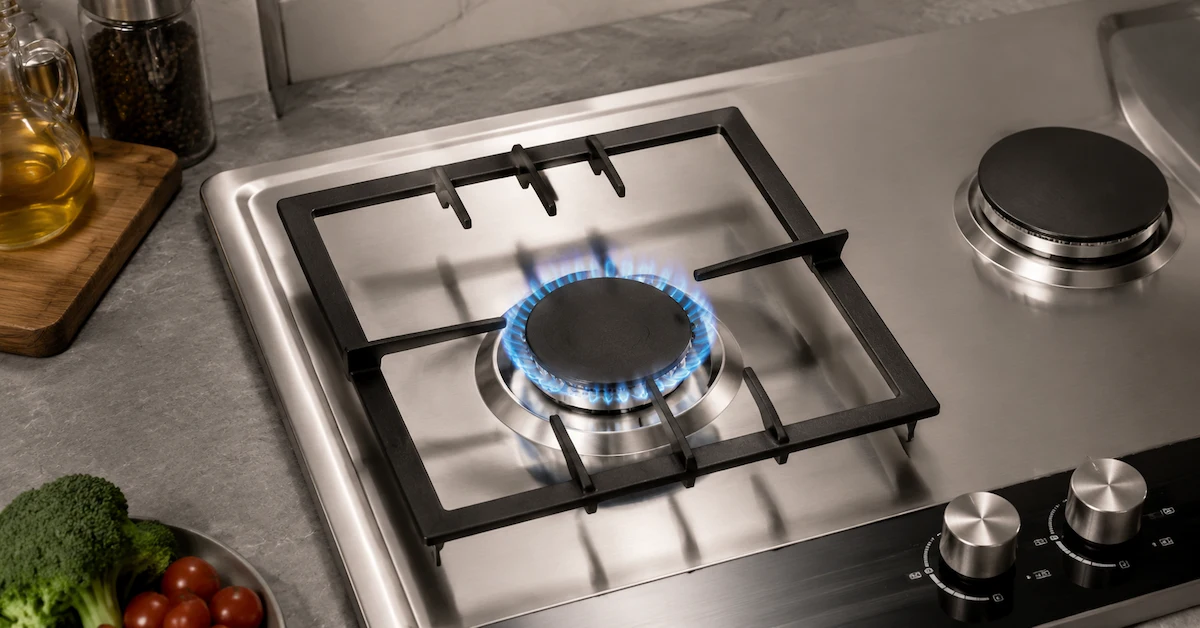
    ガスコンロパンサポート工場

    工場直接供給と取引サプライヤー: なぜそれが重要なのか?

    ガスストーブの部品を調達する場合、購入者は多くの場合、取引サプライヤーと直接工場のどちらかを選択します。

    工場直接のサプライヤーにより、製造プロセスをより厳密に管理できます。

    OEM バイヤーの場合、工場と直接協力することで次の点を改善できます。

    • 製品の精度
    • 開発効率
    • 制作の透明性
    • 長期的な協力

    ただし、購入者はサプライヤーが本当に実際の生産能力を備えたメーカーであることを確認する必要があります。

    ガス ストーブ パン サポート工場と協力すべきなのは誰ですか?

    顧客によって工場を選択する理由は異なります。

    ガスストーブ メーカー

    ガスストーブのメーカーは、以下のために信頼できるコンポーネントのサプライヤーを必要としています。

    • ビルトイン ガス コンロ
    • 自立型調理器
    • キッチンレンジ
    • 業務用調理機器

    主な要件は次のとおりです。

    • 安定した寸法
    • 安定した品質
    • 大規模な生産能力
    • 長期供給

    キッチン家電 OEM ブランド

    OEM ブランドは多くの場合、以下をサポートできる工場を必要とします。

    • 新製品開発
    • カスタム デザイン
    • サンプルの作成
    • 大量生産

    製品のアイデアを製造可能なコンポーネントに変換できる工場が必要です。

    輸入業者および販売業者

    輸入業者は通常、次のような機能を提供する工場との協力を好みます。

    • 競争力のある価格
    • 直接コミュニケーション
    • 製品のカスタマイズ オプション
    • 安定した供給

    業務用厨房機器会社

    商用機器メーカーには次のことが求められます。

    • 強力な耐荷重能力
    • 高温耐久性
    • 信頼できるバッチ品質

    アプリケーションには以下が含まれます:

    • レストラン用コンロ
    • ケータリング設備
    • プロ仕様の調理システム

    ガスストーブパンサポートの用途

    ガスストーブの鍋サポートは、さまざまな調理環境で広く使用されています。

    比較 工場直送 取引サプライヤー
    生産管理 直接制御 サードパーティに依存
    カスタマイズ より強力な機能 工場による制限
    技術的なコミュニケーション エンジニアと直接連絡 複数の通信層
    コスト管理 中間コストの削減 追加マージン
    品質追跡 監視が簡単 さらに難しい

    購入者は、WEBO のガス ストーブ パン サポート製品を確認して、利用可能なデザインとカスタマイズ オプションを比較できます。さまざまな調理用途に使用できます。

    家庭用ガス ストーブ

    家電製品の場合、鍋サポートは次のバランスを取る必要があります。

    • 外観
    • 機能
    • 掃除のしやすさ
    • 耐久性

    一般的な要件:

    • 正確なフィッティング
    • 安定した調理器具のサポート
    • 一貫した表面品質

    業務用調理機器

    業務用厨房では、機器がより頻繁に稼働するため、より高い需要が生じます。

    重要な要件:

    • 強固な構造
    • 耐熱性
    • 高度な調理器具のサポート

    OEM ガス ストーブの開発

    新しいストーブ モデルの場合、工場は以下をカスタマイズする必要がある場合があります。

    • 形状
    • 寸法
    • バーナーの配置
    • 表面仕上げ
    • パッケージ

    ガスコンロパンサポート工場内の製造プロセス

    専門の工場には、管理された生産ワークフローが必要です。

    1.原料の準備

    最初のステップは、適切な鋳鉄材料を選択することです。

    素材の品質による影響:

    • 製品の強み
    • 耐熱性
    • 耐用年数
    • キャストのパフォーマンス

    工場は以下を管理する必要があります:

    • 素材仕様
    • 受入検査
    • 本番環境への適合性

    原材料が劣悪であると、次のような問題が発生する可能性があります。

    • 亀裂
    • 弱い構造
    • 寿命が短い

    2.金型の開発と準備

    カスタマイズされたパン サポートの場合、金型の開発は重要な段階です。

    ファクトリは以下を評価します:

    • プロダクト デザイン
    • 鋳造構造
    • 壁の厚さ
    • 本番環境の実現可能性

    OEM 顧客は以下を提供できます:

    • 製品図面
    • 既存のサンプル
    • ガスストーブのモデル

    その後、工場は適切な製造ソリューションを開発します。

    3.鋳造プロセス

    鋳造により、基本的なパン サポート構造が作成されます。

    重要な生産管理には次のようなものがあります。

    • 金型精度
    • 鋳造温度
    • マテリアル フロー
    • 冷却プロセス

    安定した鋳造プロセスは、以下の維持に役立ちます。

    • 製品の一貫性
    • 構造強度
    • 外観の品質

    4.表面処理

    通常、鋳造後、製品にはさらなる加工が必要です。

    プロセスには次のものが含まれる場合があります。

    • 研削
    • クリーニング
    • 表面処理
    • 仕上げ

    目的は以下を改善することです。

    • 外観
    • 表面品質
    • ユーザー エクスペリエンス

    5.最終的な組み立てと準備

    出荷前に、製品は次の手順で準備されます。

    • 最終検査
    • 数量の確認
    • パッケージ

    工場では、完成品が承認された要件に適合していることを確認します。

    工場の設備と製造能力

    ガスストーブパンのサポート工場を評価する場合、購入者は製品の背後にある製造能力を理解する必要があります。

    重要な領域は次のとおりです:

    生産設備

    有能な工場には、以下をサポートする設備が必要です。

    • 鋳造生産
    • 表面処理
    • 検査
    • パッケージ化

    エンジニアリング能力

    エンジニアリング サポートは次のことに役立ちます。

    • 設計レビュー
    • 製造の改善
    • サンプル開発
    • 生産の最適化

    生産管理

    信頼できる工場は以下を管理する必要があります。

    • 生産スケジュール
    • 資材の供給
    • 品質管理
    • 注文追跡

    製造経験が重要な理由

    ガス ストーブのコンポーネントは、数千、さらには数百万のユニットにわたって一貫性を維持する必要があります。

    製造経験は工場の管理に役立ちます:

    • マテリアルな行為
    • キャストの課題
    • 寸法制御
    • 顧客の要件

    アプライアンス企業にとって、サプライヤーの経験は次の点で低下します。

    • 開発の遅れ
    • 品質の問題
    • 本番環境のリスク

    ガスコンロパンサポート工場の品質管理体制

    家電メーカーや世界中のバイヤーにとって、ガスストーブパンのサポート工場を選択する際、品質管理は最も重要な要素の 1 つです。

    信頼できる工場は、完成品をチェックするだけでなく、製造プロセス全体を通じて品質を管理する必要があります。

    完全な QC システムは通常、以下をカバーします:

    • 原材料
    • キャスト プロセス
    • 商品の寸法
    • 表面品質
    • 構造パフォーマンス
    • 最終梱包

    原材料の品質管理

    鋳鉄の品質は以下に直接影響します。

    • 商品の強み
    • 耐熱性
    • 耐用年数
    • キャストのパフォーマンス

    専門の工場は、製造前に入荷した材料を検査する必要があります。

    重要なチェックには以下が含まれます:

    • 素材の一貫性
    • 原材料の状態
    • 本番環境への適合性

    安定した原材料は以下の削減に役立ちます:

    • 鋳造欠陥
    • 製品の故障
    • バッチの違い

    鋳造品質検査

    鋳造は、鋳鉄パンサポートの中核となる製造プロセスです。

    生産中、工場は以下を監視する必要があります。

    • カビの状態
    • 鋳造プロセス パラメータ
    • 製品構造
    • 表面状態

    一般的なキャストの問題には次のようなものがあります。

    • 亀裂
    • 空気穴
    • 不均一な構造
    • 変形

    早期検出は、欠陥製品が量産されるのを防ぐのに役立ちます。

    寸法検査

    ガスストーブのパンサポートはストーブの構造に正確に適合する必要があります。

    重要な寸法は次のとおりです。

    • 全体のサイズ
    • バーナー開口位置
    • サポートの高さ
    • 連絡先
    • 設置位置

    寸法が正しくないと、次のような問題が発生する可能性があります。

    • 調理器具の配置が不安定
    • バーナーの位置が不良
    • アセンブリの問題

    家電メーカーは生産バッチ全体で同一のコンポーネントを必要とするため、OEM プロジェクトの場合、寸法の一貫性が特に重要です。

    表面品質検査

    表面仕上げは、外観とユーザー エクスペリエンスの両方に影響します。

    工場は以下を検査する必要があります:

    • 表面の滑らかさ
    • コーティングの品質
    • 視覚的な欠陥
    • 防錆

    キッチン家電の場合、消費者がストーブ完成品に直接触れるため、外観の一貫性が重要です。

    耐荷重および耐熱性の評価

    ガスストーブの鍋サポートは以下に耐える必要があります。

    • 重い調理器具
    • 連続加熱
    • 繰り返される温度変化

    顧客の要件に応じて、工場は以下を評価する場合があります。

    • 構造強度
    • 安定性
    • 耐熱性

    これにより、通常の使用時にコンポーネントが確実に動作することが保証されます。

    梱包品質管理

    鋳鉄コンポーネントは重いため、輸出梱包には特別な注意が必要です。

    パッケージでは以下のことを防止する必要があります。

    • 衝撃ダメージ
    • 表面の傷
    • 商品の動き
    • 交通機関の問題

    専門の工場は、次に従ってパッケージを設計する必要があります。

    • 商品重量
    • Shipping method
    • Destination requirements

    OEM Manufacturing Process for Gas Stove Pan Supports

    Many global appliance brands require customized pan supports instead of standard products.

    A capable factory should provide a complete OEM workflow.

    Step 1: Project Requirement Review

    The customer provides:

    • Product drawing
    • Existing sample
    • Gas stove model
    • Dimensions
    • Quantity requirements

    The factory evaluates:

    • Manufacturing feasibility
    • Material selection
    • Production method

    Step 2: Product Design Confirmation

    The factory works with the buyer to confirm:

    • Product structure
    • Size
    • Weight
    • Burner compatibility
    • Surface requirements

    This stage reduces production risks.

    Step 3: Mold Development

    For new designs, mold development may be required.

    The factory considers:

    • Casting efficiency
    • Product accuracy
    • Production stability
    • Cost control

    Step 4: Sample Production

    Samples allow customers to verify:

    • Installation compatibility
    • Appearance
    • Strength
    • Functionality

    Sample approval should happen before mass production.

    Step 5: Mass Production

    After approval, the factory manages:

    • Material preparation
    • Production scheduling
    • Quality inspection
    • Packaging

    A controlled process ensures repeat-order consistency.

    How to Audit a Gas Stove Pan Support Factory?

    Before choosing a factory, international buyers should evaluate several areas.

    アプリケーション 設備 工場の要件
    家庭用キッチン ガスコンロ、コンロ 外観と安定性
    業務用厨房 レストランの調理台 頑丈な構造
    ケータリング設備 プロ用コンロ 長寿命
    アウトドアクッキング ポータブルガスコンロ 耐久性のある構造
    OEM アプライアンス 新しいストーブ モデル カスタム互換性

    Check Manufacturing Capability

    Questions buyers should ask:

    • Does the company produce pan supports directly?
    • Does it have casting capability?
    • Can it develop new products?
    • Can it support long-term production?

    Check Customization Capability

    A suitable OEM factory should support:

    • Drawing review
    • Sample development
    • Mold adjustment
    • Product modification

    Check Production Capacity

    For long-term cooperation, buyers should understand:

    • Production volume
    • Lead-time management
    • Repeat order capability

    A factory that cannot maintain stable output may create supply chain problems.

    Common Risks When Choosing a Gas Stove Pan Support Factory

    Choosing a Trading Company Instead of a Factory

    Some buyers believe they are purchasing directly from a factory but actually work through intermediaries.

    Potential issues:

    • Higher cost
    • Slower communication
    • Limited technical support

    Ignoring Factory Verification

    Before cooperation, buyers should confirm:

    • Production capability
    • Product experience
    • Quality system

    Focusing Only on Price

    The cheapest supplier may not provide the best overall value.

    Low price may result from:

    • Lower material usage
    • Reduced inspection
    • Limited customization

    No Sample Approval Process

    Without sample validation, buyers may face:

    • Product mismatch
    • Assembly problems
    • Customer complaints

    Weak Change Management

    For repeat orders, suppliers should control changes involving:

    • Material
    • Dimensions
    • Production process
    • Surface treatment

    Production Capacity and Delivery Reliability

    A professional gas stove pan support factory should be able to support different order volumes.

    Audit Area What Buyers Should Check
    Factory ownership Direct manufacturer or trading company
    Production capability Casting and processing ability
    Equipment Manufacturing and inspection equipment
    Engineering Custom development capability
    QC system Inspection procedures
    Capacity Bulk production ability
    Export experience Inte rnational order support

    Production reliability depends on:

    • Manufacturing system
    • Material supply
    • Quality management
    • Production scheduling

    Why Choose WEBO as a Gas Stove Pan Support Factory?

    GUANGDONG WEBO TECHNOLOGY was established in 1998 in Yangjiang, Guangdong.

    According to WEBO's company information, the company operates approximately 50,000㎡ of manufacturing space, has more than 500 employees, and provides kitchen appliance components for international customers.

    WEBO's Kitchen Appliance Components portfolio includes:

    • Cast Iron Pan Support
    • Tube Heating Element
    • Hot Plate
    • Ceramic Heater
    • Induction Coil
    • Ceramic Glass
    • Rotary Switch
    • Energy Regulator

    (WEBO Products)

    For gas stove pan support projects, buyers can review:

    Cast Iron Pan Support
    https://www.weboproducts.com/product/cast-iron-pan-support

    WEBO supports customers with:

    • Product evaluation
    • Custom requirements
    • Sample development
    • Bulk production
    • Export supply

    For OEM cooperation, buyers can provide:

    • Product drawings
    • Existing samples
    • Gas stove specifications
    • Quantity requirements

    through the WEBO contact page.

    FAQ

    1. What is a gas stove pan support factory?

    A gas stove pan support factory is a manufacturer that produces burner grates and cookware supports through processes such as casting, surface processing, inspection, and packaging.

    2. Why buy directly from a gas stove pan support factory?

    Direct factory sourcing can provide better production control, customization support, technical communication, and supply stability.

    3. What materials are used for gas stove pan supports?

    Cast iron is commonly used because it provides high-temperature resistance, strong load capacity, and durability.

    4. Can a factory customize gas stove pan supports?

    Yes. OEM factories can customize shape, size, burner compatibility, surface treatment, and packaging according to customer requirements.

    5. What should buyers check when auditing a pan support factory?

    Important areas include:

    • Production capability
    • Casting process
    • QC system
    • Customization ability
    • Export experience

    6. How does a factory control pan support quality?

    Quality control usually includes:

    • Raw material inspection
    • Casting inspection
    • Dimension checks
    • Surface inspection
    • Final packaging inspection

    7. Do gas stove pan support factories provide samples?

    Most professional OEM factories can provide samples for design verification before mass production.

    8. What affects gas stove pan support factory pricing?

    Pricing depends on:

    • Material
    • Product weight
    • Design complexity
    • Mold requirements
    • Surface treatment
    • Order quantity

    9. How long does OEM development take?

    Development time depends on product complexity, mold requirements, sample revisions, and customer approval speed.

    10. How can I contact WEBO for gas stove pan support manufacturing?

    Buyers can review the Cast Iron Pan Support product and contact WEBO with drawings, samples, and project requirements.

    Conclusion

    Choosing the right gas stove pan support factory allows appliance manufacturers and global buyers to achieve better control over product quality, customization, and long-term supply.

    A reliable factory should have:

    • Manufacturing capability
    • Stable production processes
    • Quality control systems
    • OEM development experience
    • Export cooperation ability

    For gas stove brands, kitchen appliance companies, and distributors, direct cooperation with an experienced factory can reduce sourcing risks and improve product consistency.

    WEBO provides cast iron pan supports and related kitchen appliance components with OEM customization and bulk production capabilities. Buyers looking for a reliable manufacturing partner can review WEBO's product range and contact WEBO for OEM gas stove components for technical discussion and quotation.

    blog avatar

    GUANGDONG WEBO TECHNOLOGY

    Guangdong Webo Technology Co。、Ltdは、広東省のYangjiangと呼ばれる南部の美しい都市にあり、1998年に設立されました。暖房要素の製造における25年の経験により、世界中の顧客に高品質の製品を提供しています。

    製品

    中心

    接触

    カート

    Order Type Buyer Requirement
    Sample order Fast development and testing
    Trial production Stable quality verification
    Bulk order Consistent mass production
    Long-term supply Reliable capacity planning