


Why a Built-in Ceramic Hob Still Matters in Real Kitchens
A Built-in Ceramic Hob is not just a clean-looking surface for modern kitchens. For engineers, sourcing managers, and product teams, it is a decision about heat control, installation style, serviceability, and how much daily use a cooktop can take before the finish starts to look tired. In apartments, compact homes, and secondary cooking areas, the appeal is obvious: a flat glass top, touch controls, and a footprint that does not dominate the room. But the buying decision is less simple than it first appears.
The wrong choice can mean frustrated users, poor wipe-down performance, or a product that looks premium on day one and less convincing after a few months of spills and scuffs. The right one gives steady cooking performance, easy cleaning, and a layout that suits the way people actually cook, not just the way they shop online.
What the Product Category Suggests
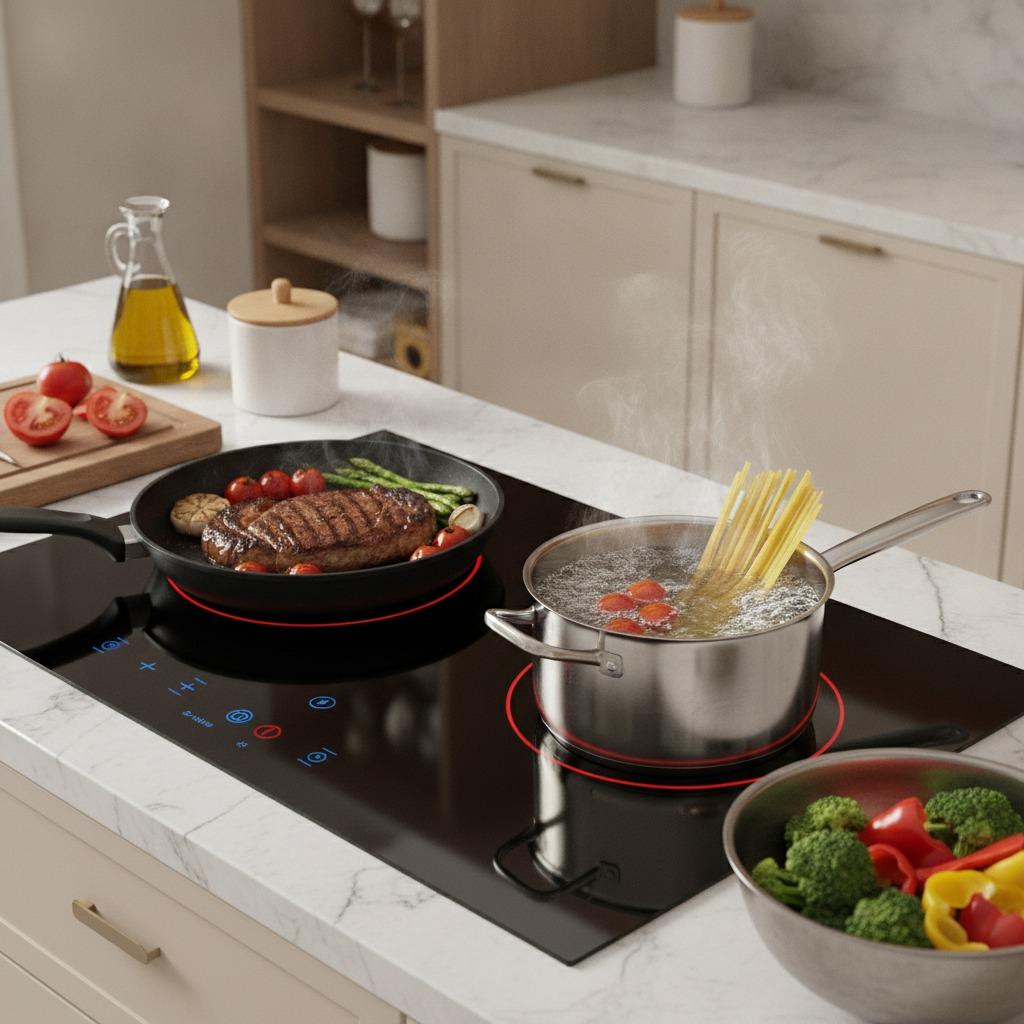
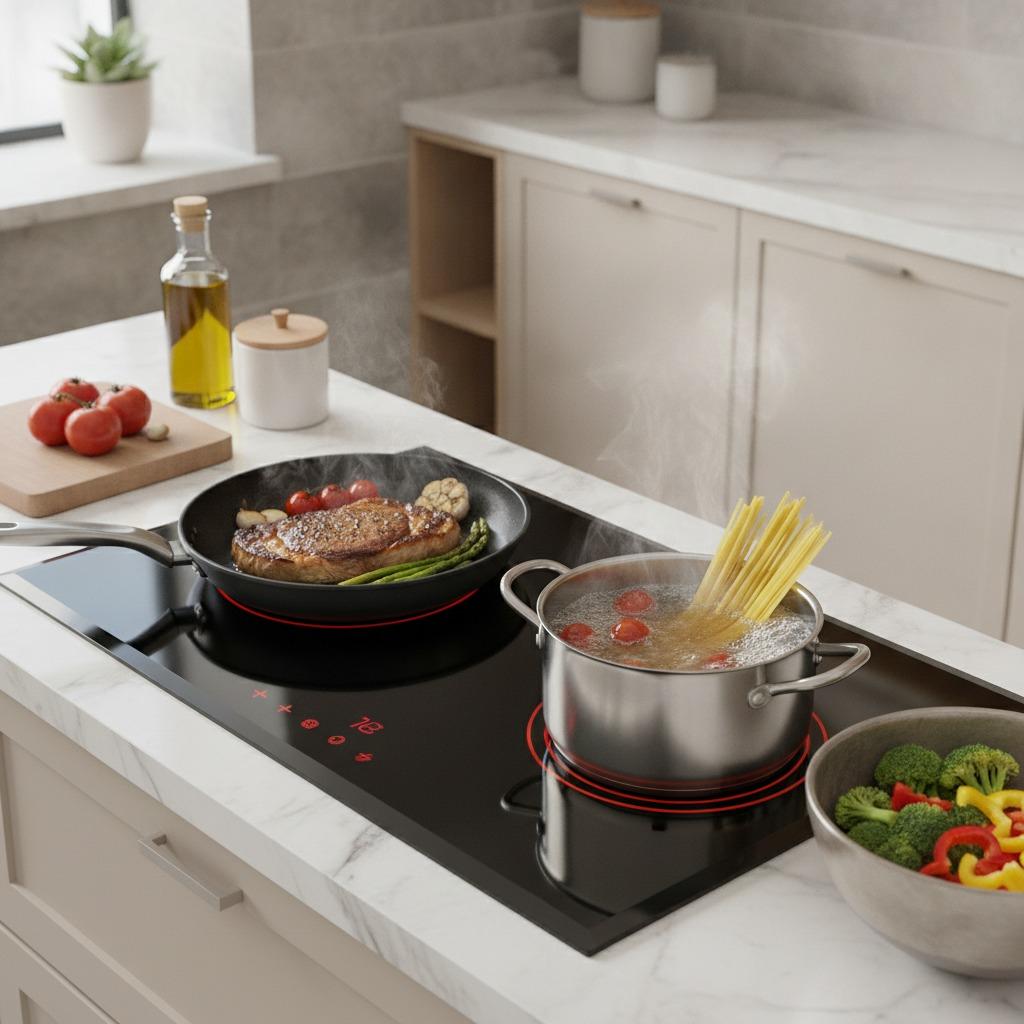
The unit described here is a black glass-top electric cooktop with a slim rectangular body, rounded corners, and two visible cooking zones. The touch-control interface runs along the lower edge, with red LED indicators, mode icons, and a digital display. The surface appears flat and easy to wipe, which is part of the reason ceramic-glass tops remain common in space-conscious kitchens.
This style overlaps with terms buyers often use interchangeably, including Electric Ceramic Stove and Ceramic Electric Cooktop. In practice, the label matters less than the installed result: stable heating zones, responsive controls, and a top that holds up to daily cleaning without looking abused. The exact heating technology in the image is not fully confirmable, so it is better to treat the product as a consumer electric cooktop category rather than making claims about induction or radiant performance that the evidence does not support.
Quick Buyer Takeaways
A dual-zone layout is useful because it gives the user two active cooking positions without requiring a full range. That makes sense in compact kitchens, food prep stations, and secondary cooking setups. The compact form factor also helps when the cooktop is part of a renovation where a full-size appliance is not practical.
A few points are worth keeping in view:
The touch panel should be legible under grease, steam, and low light.
The glass top should be easy to clean, but also resilient enough to avoid looking scratched after normal use.
The control logic should be intuitive, because even a good heating surface becomes annoying if the user has to fight the interface.
If the model includes a Ceramic Hob with Timer or a Child Lock Ceramic Hob, those are more than marketing extras. They are practical features for everyday use, especially in shared households or busy kitchens where distractions are normal.
Why Dual Zones Change the Use Case
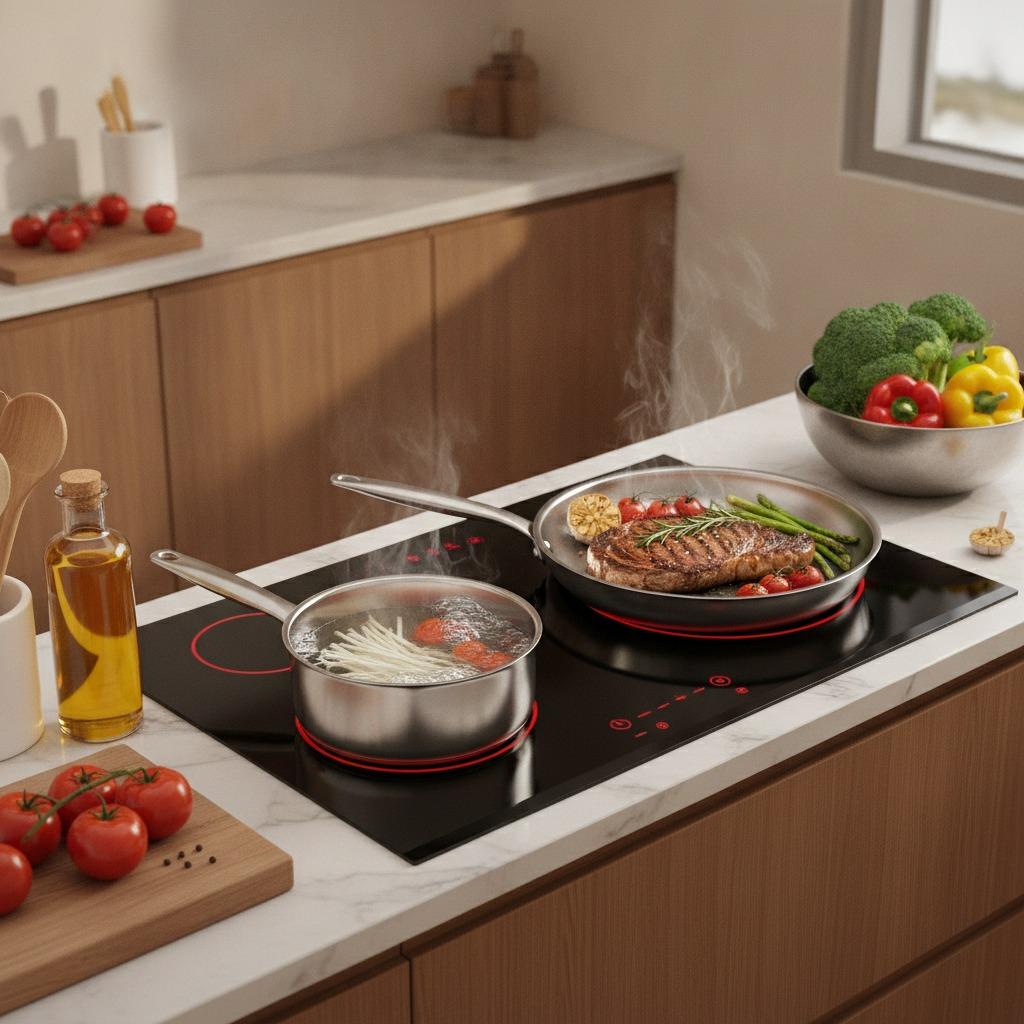
A 2 Zone Ceramic Hob is often the right middle ground between a single portable burner and a full built-in range. Two zones support real meal preparation: a skillet on one side, a pot on the other. That matters when the user is trying to reduce countertop clutter and still wants to cook with some rhythm instead of swapping pans in and out.
For sourcing teams, this dual-zone format also changes the product conversation. The key question is not simply whether the appliance heats food. It is whether the layout, controls, and surface finish support repeated use in the environments customers actually have: studio apartments, backup kitchen stations, rental units, or compact family kitchens.
Selection Criteria That Deserve Attention
Buyers should look past the glossy first impression and focus on the details that affect satisfaction over time.
Control clarity matters. Red LED indicators and touch icons are useful only if they stay readable and are not too sensitive or too vague.
Surface maintenance matters. A black glass or glass-ceramic top can look elegant, but only if users can clean it without special care rituals.
Form factor matters. A slim rectangular body is easier to integrate into small spaces, but it should still feel stable on the counter.
Brand and compliance matter. GUANGDONG WEBO TECHNOLOGY Co., LTD notes over 500 employees, annual turnover of approximately $40 million, and management systems aligned with ISO 9001 and ISO 14001. The company also states product certifications including VDE, TUV, UL, CE, and ROHS. For B2B buyers, that is the sort of baseline information that shortens early screening, even though each project still needs its own documentation review.
Common Mistakes in Sourcing
One common mistake is overvaluing surface aesthetics and underweighting usability. A cooktop can look expensive in a product photo and still feel awkward in daily use if the controls are cramped or the cooking zones are poorly arranged.
Another mistake is assuming every black glass cooktop is automatically the same. The finish, electronics layout, and control responsiveness can vary widely between models. That is where samples, documentation, and a careful review of the actual interface matter more than broad category labels.
A final caution: do not promise features you cannot verify. If timer functions, safety locks, exact wattage, or cookware compatibility are not confirmed, they should be treated as open questions rather than selling points.
What This Type of Hob Is Best For
This product format fits buyers who need a compact, modern electric cooking surface for everyday kitchen use without the scale of a traditional range. It is especially relevant for secondary cooking areas, apartments, and installations where countertop space is tight and a built-in appearance is still expected.
For product teams, the value proposition is straightforward: make the surface easy to live with, make the controls easy to trust, and make the form factor fit real kitchens instead of showroom logic.
Next Step for Buyers
Before moving forward, request the technical specification sheet, installation requirements, control details, and compliance documents for the exact model under review. If the goal is a Built-in Ceramic Hob for a specific market, the real decision is not just style. It is whether the unit can meet user expectations, service demands, and local regulatory needs without unpleasant surprises later.