



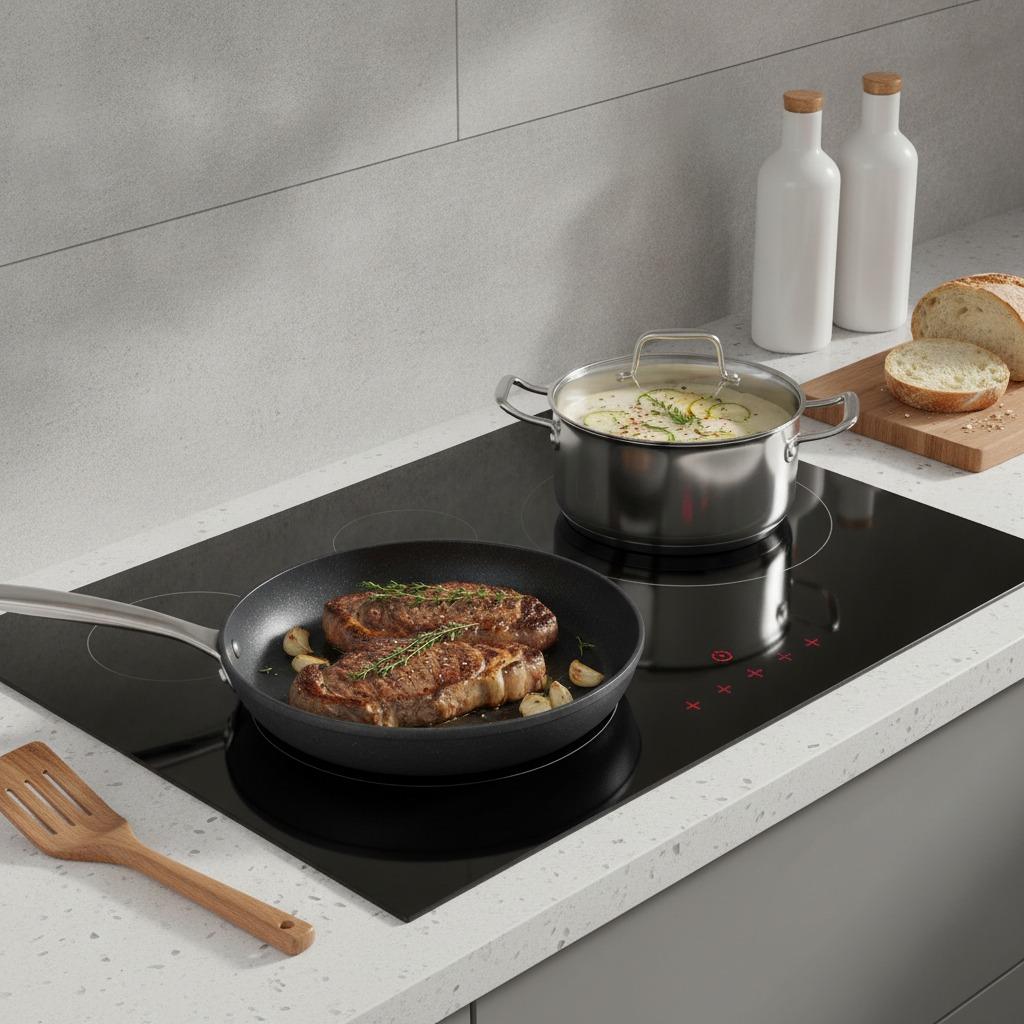
Why a ceramic cooktop still matters in modern kitchen planning
A ceramic cooktop is often chosen for the same reason engineers and product teams keep coming back to flat-panel appliances in general: it solves more than one problem at once. It gives a kitchen a clean, low-profile working surface, it is easier to wipe down than a raised burner system, and it can fit where space is limited. For apartment kitchens, secondary cooking stations, and countertop demo setups, that combination is hard to ignore.
In practice, buyers are usually deciding between appearance, usability, installation style, and cooking performance. That decision gets more complicated when the product is described as a ceramic surface, a glass ceramic hob, or an induction-style unit. Those terms are related, but they are not always interchangeable. A black ceramic hob with touch controls may look similar to an electric ceramic hob, yet the heating method and cookware requirements can differ. That is where the real buying risk sits: the surface may look simple, while the underlying performance depends on electronics, zone layout, and cookware compatibility.
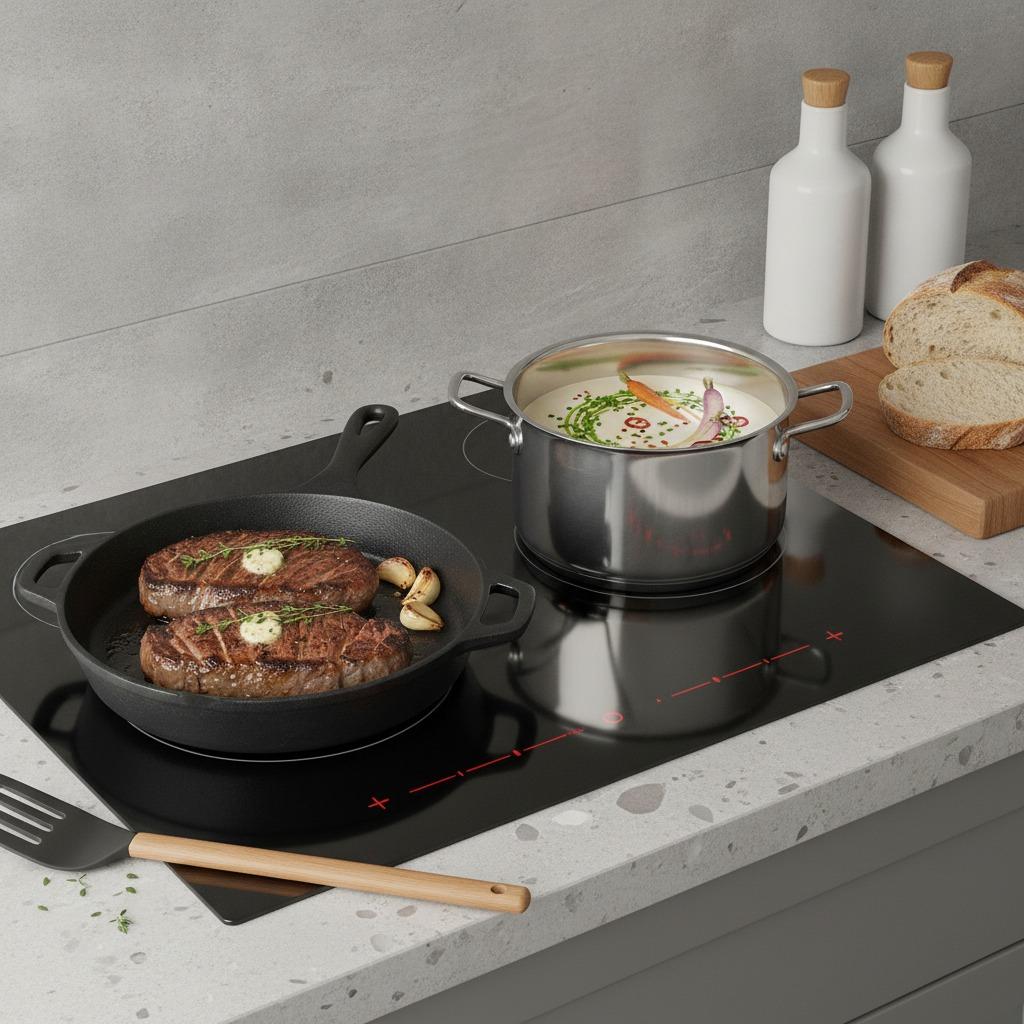
What the visible product tells us
The unit described here is a flat, rectangular countertop cooktop with rounded corners, a glossy black glass-ceramic or tempered glass surface, and two cooking zones arranged front-to-back. The front edge has touch controls and a red digital display. The visible labels include Timer, Lock, Pause, and On/Off, which is a useful sign for day-to-day operation because these functions matter more than buyers often admit at first glance.
The design suggests a two-zone portable format rather than a larger built-in ceramic hob. That makes it suitable for compact kitchens, temporary cooking areas, or a secondary station in a busy food-prep environment. The cookware shown appears metallic, and the overall layout is consistent with an induction-style countertop appliance, although the heating technology is not fully confirmed from the image alone. That caution matters. Buyers should not assume cookware compatibility or power behavior from appearance alone.
Quick comparison: what buyers usually mean when they say “ceramic”
In sourcing conversations, ceramic cooktop can mean a few different things. Sometimes the buyer means a smooth glass-top unit with radiant heating. Sometimes they mean an induction-style unit with a black glass top. And sometimes they are talking loosely about any flat, easy-clean electric cooking surface.
Common buying labels and what to check
An electric ceramic hob usually points to a smooth electric cooking surface, often with a glass top and visible heating zones. A glass ceramic hob is a broader term that focuses on the surface material rather than the heat source. A built-in ceramic hob is more about installation style than technology. A 2 zone ceramic hob or 4 zone ceramic hob simply describes cooking capacity, not heating method.
That distinction is important because a buyer choosing a 2 zone ceramic hob for a compact apartment is making a very different decision from a buyer comparing a 4 zone ceramic hob for a family kitchen or light commercial use. More zones can improve throughput, but they also increase cost, control complexity, and installation demands.
What matters most in daily use
For engineers and sourcing managers, the control interface often gets less attention than it should. Yet touch controls, lock, pause, timer, and digital readout are not cosmetic extras. They affect safety, cleaning, and user acceptance. A lock function can reduce accidental activation. Pause can help when the phone rings or a pan needs immediate attention. Timer support matters in apartment and demo environments where attention is divided.
The flat black glass surface also has practical value. It is easier to wipe than a multi-part burner assembly, and the absence of raised grates creates a more modern profile. That said, glossy surfaces show fingerprints and smudges quickly. Buyers who want a black ceramic hob for display kitchens should expect maintenance discipline, not just visual appeal.
Selection criteria that avoid expensive mistakes
When specifying a ceramic cooktop, start with the intended use case. A countertop cooking station for demonstrations does not need the same thermal profile as a family kitchen. A secondary appliance for busy prep periods may prioritize fast access, lockable controls, and a compact footprint. A built-in ceramic hob for a permanent kitchen fit-out will bring different expectations around cutout dimensions, ventilation, and installation method.
Next, verify the cooking zone count and layout. A 2 zone ceramic hob can be enough for reheating, boiling, and light pan cooking, but it may feel restrictive if both zones are used simultaneously with larger pans. Buyers considering a 4 zone ceramic hob should check whether the extra zones are truly practical in their kitchen workflow or just impressive on paper.
Also check the material story carefully. “Glass ceramic” sounds precise, but product descriptions sometimes blur the difference between glass-ceramic and tempered glass. That is not just a wording issue; it can affect heat resistance expectations and cleaning guidance. If the appliance is intended for repeated retail use, food-service demos, or apartment leasing, the buyer should request confirmation of the top surface material rather than relying on a catalog phrase.
Common purchasing oversights
One recurring mistake is treating all flat electric cooking surfaces as identical. They are not. Another is overlooking cookware compatibility. If the appliance is induction-style, some pans will work and some will not. Buyers should test the cookware they plan to use, especially stainless steel stock, sauté pans, and mixed-material pots.
A second oversight is assuming that touch controls automatically mean better usability. They usually make cleaning easier, but they can be less forgiving with wet fingers, heavy use, or rushed operation. For kitchens with frequent turnover, that is worth noting before purchase.
A third issue is skipping service and compliance checks. GUANGDONG WEBO TECHNOLOGY Co., LTD states that it operates with over 500 employees, approximately $40 million in annual turnover, and management systems aligned with ISO 9001 and ISO 14001. The company also lists VDE, TUV, UL, CE, and ROHS certification coverage. For buyers, those details help frame supplier capability, but the exact compliance scope for a specific model should still be verified in the technical file, not assumed from the factory profile alone.
Who this type of cooktop suits best
A portable or countertop ceramic cooktop style unit is a strong fit for apartment kitchens, temporary installations, food demos, and small-space cooking. It also works well as a secondary appliance in larger kitchens where an extra cooking surface is useful during peak periods. If the buyer needs a sleek black ceramic hob for a modern kitchen presentation, this format usually delivers the visual result without requiring a full range replacement.
For product teams, the main question is not whether the appliance looks modern. It is whether the zone layout, control set, and surface material match the intended user behavior. That is what separates a good retail product from one that only photographs well.
FAQ for sourcing and product teams
Is a ceramic cooktop the same as induction?
Not always. Some ceramic cooktop products use radiant electric heating, while others are induction-style units with a glass top. The surface may look similar either way.
Can a built-in ceramic hob be used as a countertop product?
Usually not without design changes. Built-in products are intended for fixed installation, while countertop units are designed for direct placement and portability.
Why do lock and pause functions matter?
They improve control in real use. Lock helps prevent accidental input, and pause is useful when cooking is interrupted.
What to ask before placing an order
Ask for confirmation of the heating technology, surface material, zone count, control functions, and the cookware requirements. If the product is being sourced for a branded retail line or multi-site kitchen rollout, request the model-specific compliance documents and installation instructions rather than relying on a generic catalog description.
If you are evaluating a ceramic cooktop for your next product line or kitchen project, the best next step is a short technical review of the surface material, control logic, and zone configuration. Those three details usually tell you more about the product’s real value than the marketing photo ever will.