


Why an Electric Radiant Heater Still Matters in Modern Kitchens
An Electric Radiant Heater may sound like a simple appliance category, but in practice it sits at the center of a very practical buying decision: do you want a cooking surface that is easy to clean, visually clean, and usable in compact living spaces without sacrificing day-to-day performance? That question matters to engineers, sourcing managers, and product teams because the market for kitchen appliances is crowded with products that look similar from a distance, yet differ sharply in materials, heat delivery, assembly complexity, and user experience.
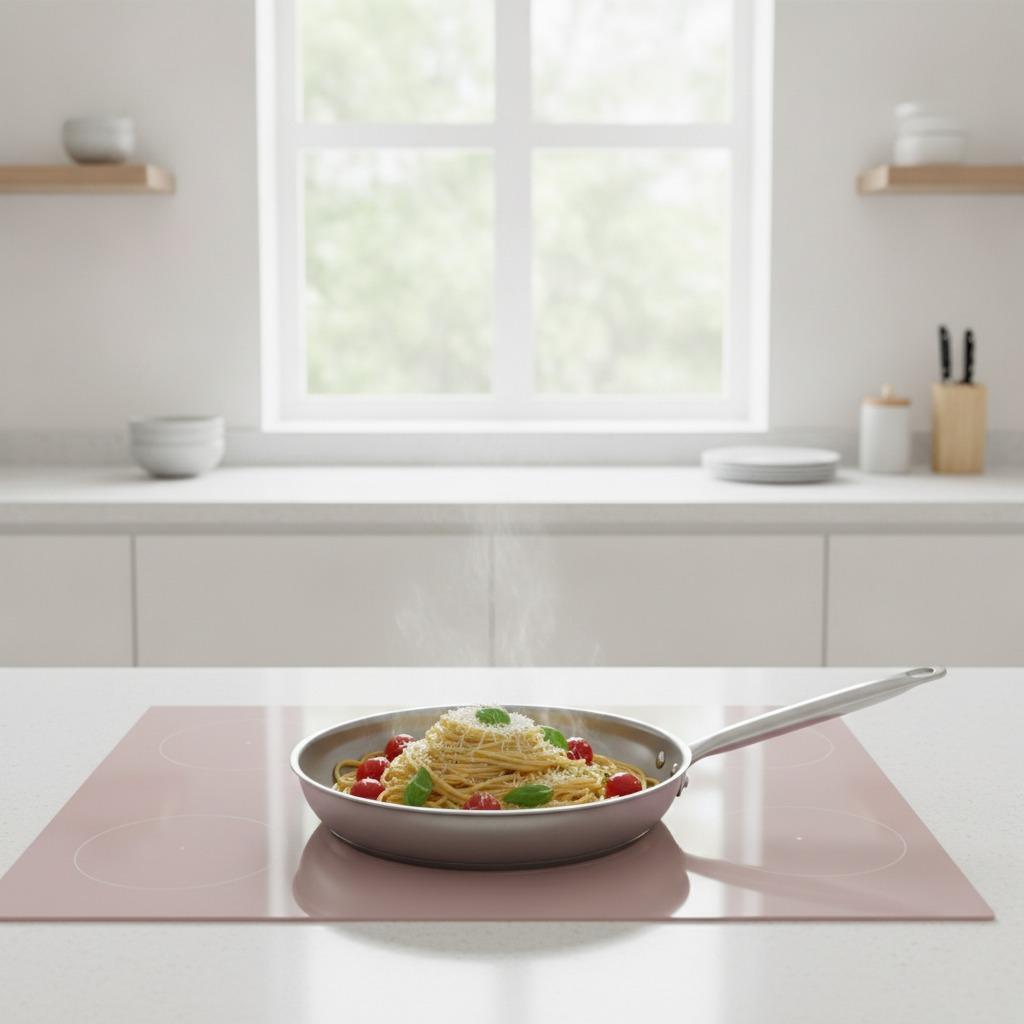
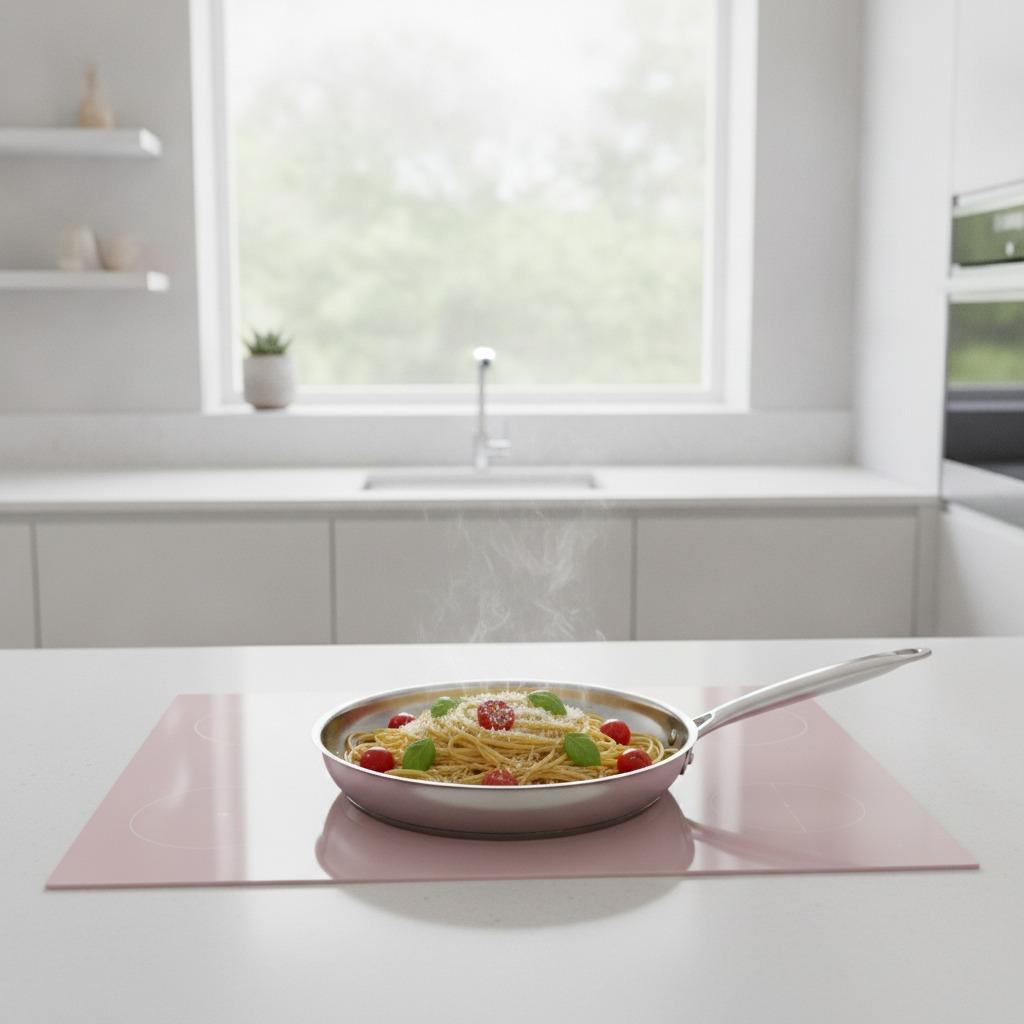
The visible product here is a flat glass-ceramic electric cooktop with touch controls, a smooth glossy surface, and multiple marked cooking zones. A pan is shown actively cooking on the surface, which tells you something important: buyers do not just want appearance. They want a working cooking platform that handles sautéing, boiling, and simmering in a tidy footprint. That is where an electric radiant-style surface can earn its place.
What Buyers Usually Want From This Category
For many projects, the decision is not whether the cooktop is glamorous. It is whether it solves ordinary kitchen problems better than the alternatives. A flat surface wipes clean quickly. Touch-control icons reduce the clutter of knobs and protrusions. A built-in or countertop format can fit apartments, modern kitchens, and other spaces where every centimeter counts.
That is also why this category often overlaps in buyer conversations with terms like Infrared Radiant Heater, Commercial Radiant Heater, and even Home Radiant Heater. The terminology can vary by market and heating method, and one caution is worth stating plainly: do not assume the heating technology from the appearance alone. Glass-ceramic tops can be paired with different internal heating systems, so sourcing teams should verify the underlying architecture before writing specs.
Quick Comparison: Where This Type Fits Best
Home kitchens and apartments
A smooth cooktop surface fits well where cleaning speed and compact design matter. If the target user is cooking daily meals in a small space, the visual simplicity is part of the value.
Compact food prep areas
A Portable Radiant Heater concept is often attractive for secondary kitchens, dorm-style setups, or temporary cooking stations, though portability depends on the exact product design and power arrangement. The product shown appears more like a built-in or countertop unit than a truly carry-anywhere appliance.
Higher-volume environments
For broader usage scenarios, a Industrial Radiant Heater is a different animal entirely. Buyers should not blur the line between cooking appliances and industrial heating equipment. They serve different thermal loads, duty cycles, and compliance expectations.
Material and Assembly Details That Matter
The visible top is a smooth glass-ceramic panel with a light pink tint, rounded corners, and a thin rectangular profile. Those are not just style cues. In manufacturing terms, the top material affects scratch resistance, thermal behavior, edge finishing, and how the control interface is integrated.
Touch-sensitive control symbols along the front edge suggest an embedded user interface, which usually means more attention to panel alignment, sealing, and assembly consistency. In appliance manufacturing, those details can separate a premium-feeling product from one that looks good only in a photo.
GUANGDONG WEBO TECHNOLOGY Co., LTD is positioned as an experienced manufacturer with over 500 employees and around $40 million in annual turnover. The company states that it follows ISO 9001 and ISO 14001 management standards, and that products are certified by VDE, TUV, UL, CE, and ROHS. For buyers, that combination signals a supplier accustomed to serving varied market requirements, though each project still needs its own documentation check.
Selection Criteria: What Sourcing Teams Should Ask First
Before committing to a platform like this, ask three basic questions.
First, what is the actual heating technology? The image alone does not prove whether the unit is truly radiant, infrared, or another method.
Second, how is the top built? Glass-ceramic surface quality, panel thickness, and edge treatment affect durability and visual consistency.
Third, how does the control interface behave in real use? Touch controls look clean, but they should remain responsive during everyday cooking, with gloves, splashes, and repeated wiping all considered.
A practical aside: buyers sometimes overfocus on the number of cooking zones visible in a brochure image. Zone layout matters, yes, but user ergonomics and thermal performance matter more. A well-spaced two-zone unit can outperform a crowded four-zone design if the intended user cooks with larger pans.
Common Mistakes to Avoid
One common mistake is treating every smooth-top appliance as interchangeable. Another is assuming the terms radiant, infrared, and ceramic mean the same thing in every catalog. They do not. Product teams should verify drawings, electrical specifications, and compliance documents before launch.
Another pitfall is neglecting the buyer’s actual cleaning routine. A flat surface is only a real advantage if the product resists staining and the controls are easy to understand. If users need to decipher the interface before every meal, the elegance disappears quickly.
A Better Way to Position the Product
This style of cooktop is most compelling when presented as a practical upgrade: cleaner counters, simpler operation, and a more modern kitchen presence without adding visual noise. That message resonates with homeowners, apartment dwellers, and commercial buyers who care about presentation as much as function.
If your team is evaluating an Electric Radiant Heater-style cooktop for a new project, request the technical file, confirm the heating method, and review the surface construction carefully. Small details in a glass-ceramic appliance have a habit of deciding the final user impression.
FAQ
Is this product definitely an induction cooktop?
No. The image shows a glass-top cooking surface with touch controls, but the exact heating technology is not confirmed.
Is it suitable for home use?
Yes, the visible design points toward home kitchen, apartment, or compact-space cooking applications.
Why do buyers like smooth-top appliances?
Because they are easier to wipe clean, look modern, and integrate well into minimalist kitchen designs.
Next Step for Buyers
If you are sourcing a similar appliance, start with the visible design, then validate the hidden engineering. Ask for structure drawings, control layout details, compliance records, and confirmed heating specifications. Good kitchen products are built as much on disciplined manufacturing as on attractive surfaces, and the best ones make everyday cooking feel effortless.