



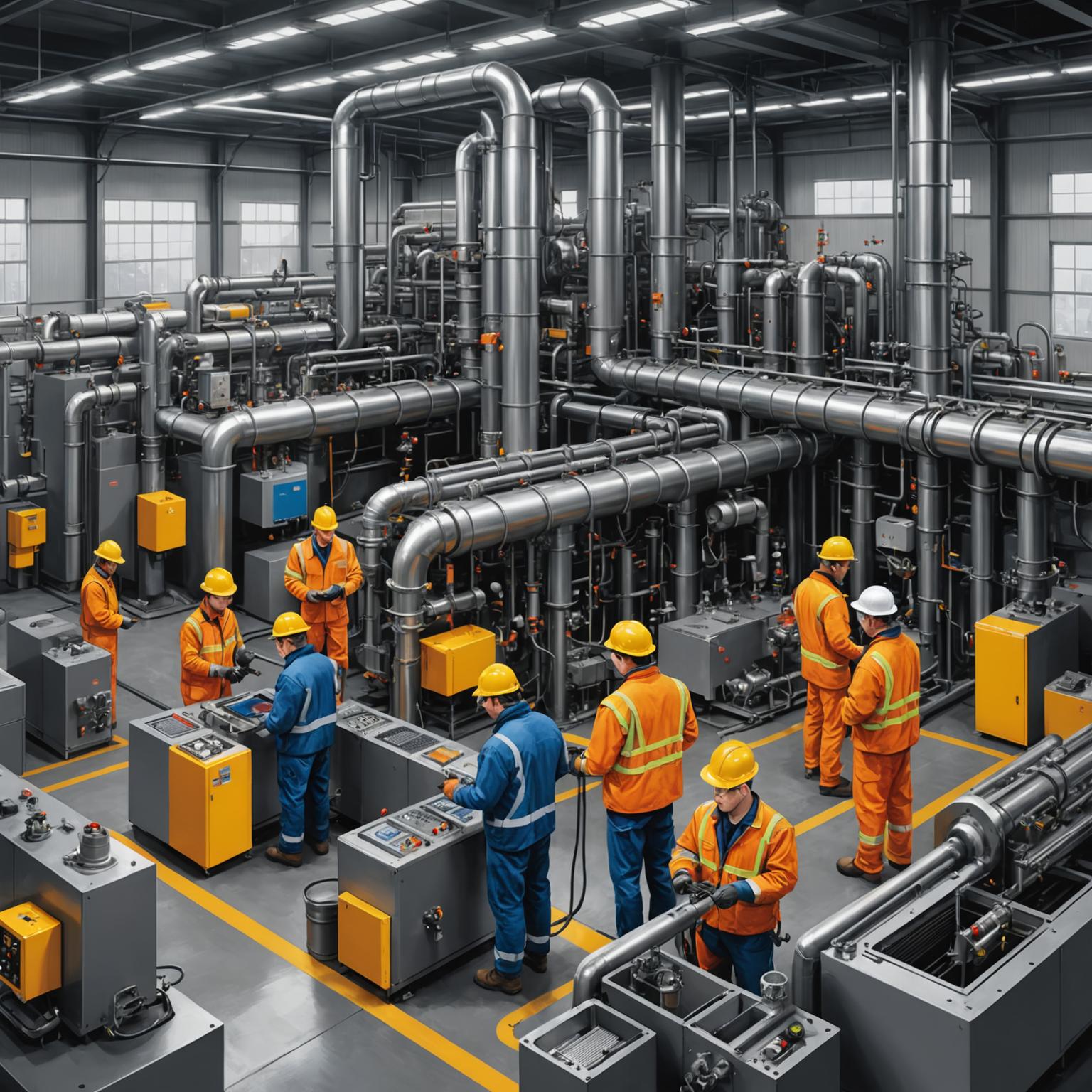
In the realm of advanced industrial manufacturing, the term Heating pipe has evolved significantly from traditional fluid conveyance to encompass sophisticated tools for material processing. Modern systems, such as the cutting-edge HT-250801 Induction Heating System, utilize induction coils that function as a non-contact heating pipe, generating intense and precise heat through electromagnetic fields. This technology is redefining applications in forging, annealing, and hardening by offering unparalleled control and efficiency, marking a transformative shift from conventional heating methods. The ability to rapidly heat metallic components to a malleable state without physical contact streamlines production and enhances the quality of the final product, making it indispensable in today's high-tech industrial environments.
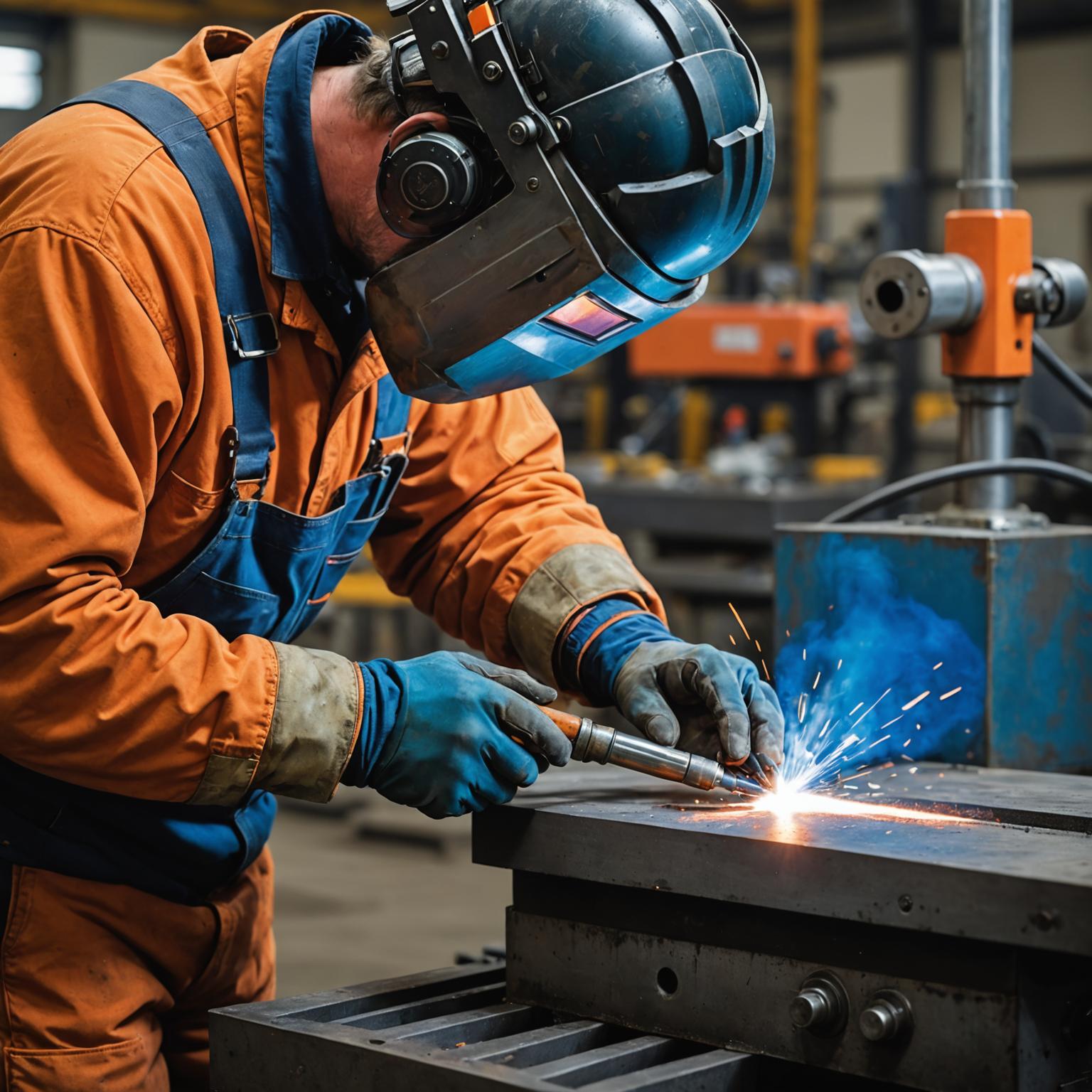
When discussing industrial induction heating, the focus often shifts to the components being heated, such as steel heating pipes or other metal parts. The process relies on an induction coil to generate a powerful electromagnetic field. When a conductive material like steel is placed within this field, eddy currents are induced within the metal, generating localized heat rapidly and uniformly. This method is exceptionally effective for treating steel, as it minimizes thermal stress and prevents metal fatigue. The HT-250801 system excels at this, allowing for precise temperature control that is critical for processes like surface hardening, where only the outer layer of a steel component needs to be treated, preserving the core's structural integrity.
One of the most significant advantages of induction technology is its remarkable heating pipe heating efficiency. Unlike traditional furnaces that heat an entire chamber and the component through convection and radiation, induction heating generates heat directly within the workpiece itself. This targeted approach dramatically reduces energy consumption and heat-up times. Systems like the HT-250801 exemplify this efficiency, focusing energy precisely where it is needed. This not only makes the operation more eco-friendly but also results in a cleaner, more controlled work environment. The uniform heat distribution ensures consistent results across every workpiece, a critical factor for quality control in industries such as aerospace and automotive manufacturing.
An induction heating system is more than just its coil; it comprises a suite of essential components and heating pipe accessories that ensure optimal performance and safety. The core accessories include the power unit, which converts mains electricity into the high-frequency current required, and the induction coil itself, which must be designed to match the specific application. Furthermore, sophisticated control modules and user-friendly interfaces allow operators to precisely adjust power levels, frequencies, and heating cycles. Safety features, such as protective gloves and integrated cooling systems for the coil, are paramount for secure and continuous operation. These integrated heating pipe accessories work in concert to deliver a reliable and versatile heating solution.
A proper heating pipe sizing guide for induction heating is not about the physical diameter of a pipe but about correctly matching the system's specifications to the task. Sizing involves several critical factors: the material and mass of the workpiece, the required final temperature, and the desired heating time. The geometry of the induction coil is also a crucial part of this guide; it must be shaped and sized to ensure the magnetic field couples effectively with the part. For example, a large steel gear will require a higher power output and a differently shaped coil than a small, delicate pin. A comprehensive heating pipe sizing guide helps professionals select the right power settings and coil design on a system like the HT-250801 to achieve consistent, efficient, and repeatable results for any given metal treatment process.
Understanding Steel Heating Pipes in Industrial Applications
When discussing industrial induction heating, the focus often shifts to the components being heated, such as steel heating pipes or other metal parts. The process relies on an induction coil to generate a powerful electromagnetic field. When a conductive material like steel is placed within this field, eddy currents are induced within the metal, generating localized heat rapidly and uniformly. This method is exceptionally effective for treating steel, as it minimizes thermal stress and prevents metal fatigue. The HT-250801 system excels at this, allowing for precise temperature control that is critical for processes like surface hardening, where only the outer layer of a steel component needs to be treated, preserving the core's structural integrity.
Maximizing Heating Pipe Heating Efficiency
One of the most significant advantages of induction technology is its remarkable heating pipe heating efficiency. Unlike traditional furnaces that heat an entire chamber and the component through convection and radiation, induction heating generates heat directly within the workpiece itself. This targeted approach dramatically reduces energy consumption and heat-up times. Systems like the HT-250801 exemplify this efficiency, focusing energy precisely where it is needed. This not only makes the operation more eco-friendly but also results in a cleaner, more controlled work environment. The uniform heat distribution ensures consistent results across every workpiece, a critical factor for quality control in industries such as aerospace and automotive manufacturing.
Essential Heating Pipe Accessories and Control Modules
An induction heating system is more than just its coil; it comprises a suite of essential components and heating pipe accessories that ensure optimal performance and safety. The core accessories include the power unit, which converts mains electricity into the high-frequency current required, and the induction coil itself, which must be designed to match the specific application. Furthermore, sophisticated control modules and user-friendly interfaces allow operators to precisely adjust power levels, frequencies, and heating cycles. Safety features, such as protective gloves and integrated cooling systems for the coil, are paramount for secure and continuous operation. These integrated heating pipe accessories work in concert to deliver a reliable and versatile heating solution.
A Technical Heating Pipe Sizing Guide for Induction Systems
A proper heating pipe sizing guide for induction heating is not about the physical diameter of a pipe but about correctly matching the system's specifications to the task. Sizing involves several critical factors: the material and mass of the workpiece, the required final temperature, and the desired heating time. The geometry of the induction coil is also a crucial part of this guide; it must be shaped and sized to ensure the magnetic field couples effectively with the part. For example, a large steel gear will require a higher power output and a differently shaped coil than a small, delicate pin. A comprehensive heating pipe sizing guide helps professionals select the right power settings and coil design on a system like the HT-250801 to achieve consistent, efficient, and repeatable results for any given metal treatment process.