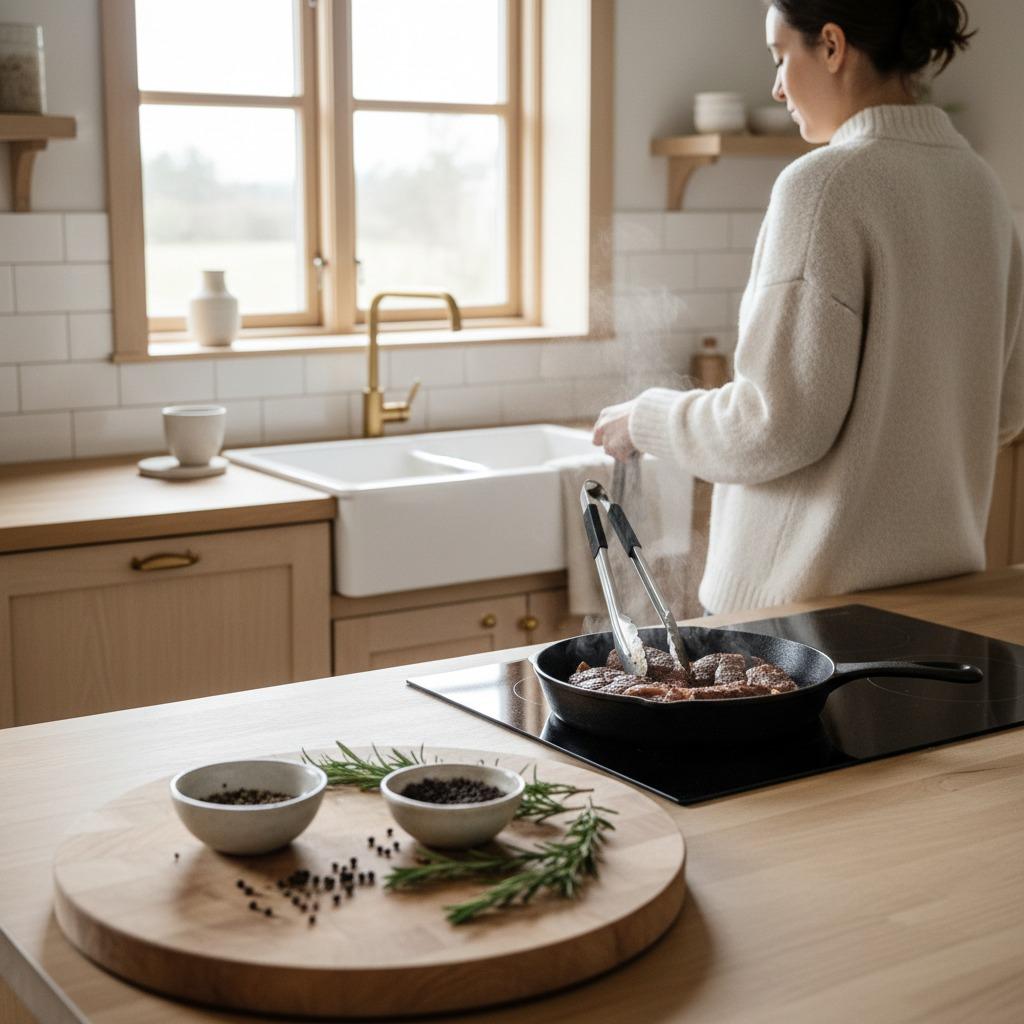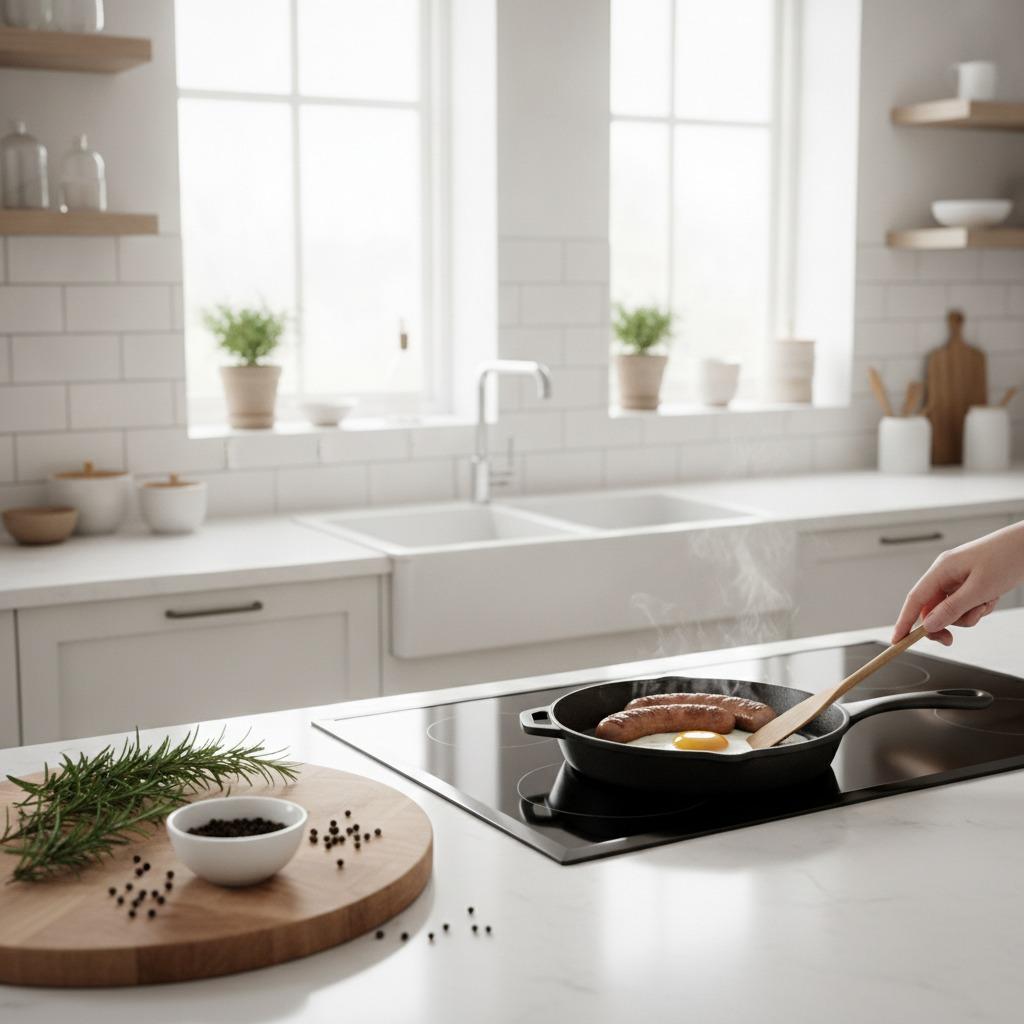



Choosing the right portable stove can completely transform your cooking experience, whether you're in a compact city apartment, a dorm room, or simply need an extra burner for a large meal. In the past, portable cooking often meant dealing with fuel canisters and open flames, but the modern culinary landscape has shifted dramatically towards safer, more efficient electric options. This evolution has introduced a new set of considerations, pitting different technologies against each other in the quest for the perfect countertop cooking companion.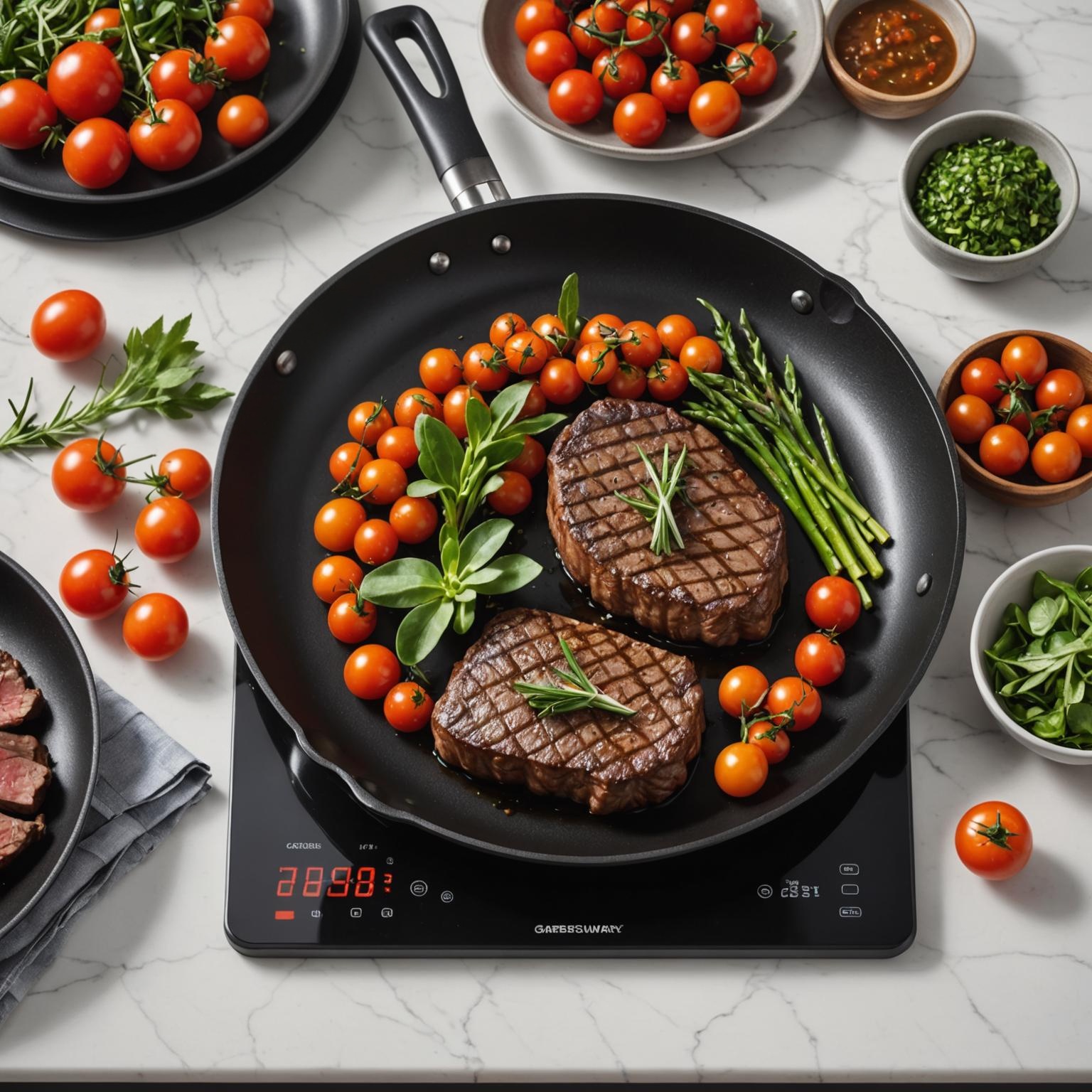
The Convenience of Electric Portable Stoves
An electric portable stove offers unparalleled convenience and safety for indoor cooking. Unlike their gas-powered counterparts, they eliminate the need for flammable fuels and the risks associated with open flames, making them an ideal choice for enclosed spaces. The simplicity of plugging a unit into an outlet and starting to cook is a significant advantage. These appliances are typically lightweight and feature a small footprint, allowing them to be easily stored when not in use. This makes the electric portable stove a versatile tool, perfect for everything from keeping a buffet dish warm to serving as a primary cooktop in a kitchenette, offering a level of flexibility that traditional stoves cannot match.
Induction vs. Conventional Electric: Which is Right for You?
Within the electric category, a key comparison is between a conventional electric cooktop and an induction portable stove. A conventional model works by heating a coil or a ceramic surface, which then transfers heat to the pot or pan. This method is straightforward and has the benefit of working with virtually any type of cookware. However, an induction portable stove operates on a more advanced principle. It uses a magnetic field to directly heat the cookware itself, while the cooktop surface remains relatively cool. This direct heating method is significantly more energy-efficient and provides a much higher degree of safety, as the risk of accidental burns from touching the surface is greatly reduced. The primary consideration for induction is that it requires magnetic cookware, such as cast iron or stainless steel, to function.
Prioritizing Fast Heating and Precision Control
For cooks who value speed and accuracy, the choice becomes even clearer. An induction cooktop is the definitive fast heating portable stove. Because it heats the pan directly, it can bring water to a boil or heat oil for searing in a fraction of the time it takes a conventional electric or even a gas stove. This rapid response saves both time and energy. Furthermore, modern induction models offer incredibly precise temperature control. Instead of vague low, medium, and high settings, they often feature sleek, intuitive dials that allow for exact temperature adjustments. This precision is invaluable for delicate tasks like simmering a sauce without scorching or perfectly searing a steak, turning everyday cooking into a more controlled and refined art form.
Making the Modern Choice for Your Kitchen
Ultimately, the decision between different types of portable stoves comes down to your specific needs and priorities. If universal cookware compatibility and a lower initial cost are your main concerns, a conventional electric model is a solid choice. However, for those seeking the pinnacle of modern cooking technology, an induction cooktop is the superior option. Its combination of safety, energy efficiency, and its performance as a fast heating portable stove makes it an indispensable tool for the contemporary kitchen. These sleek, powerful, and elegantly designed appliances not only deliver exceptional performance but also elevate the entire cooking experience, proving that great meals can be made in any space.