


When buyers compare electric cooker price, they are usually not just asking for a number on a quote sheet. They are trying to understand what separates a basic countertop appliance from a more reliable unit that can survive daily use, pass compliance checks, and still make sense on landed cost. For sourcing teams, that matters because a low opening price can hide expensive trade-offs in heating performance, control quality, packaging, or after-sales risk.
What drives the price of a countertop electric cooker
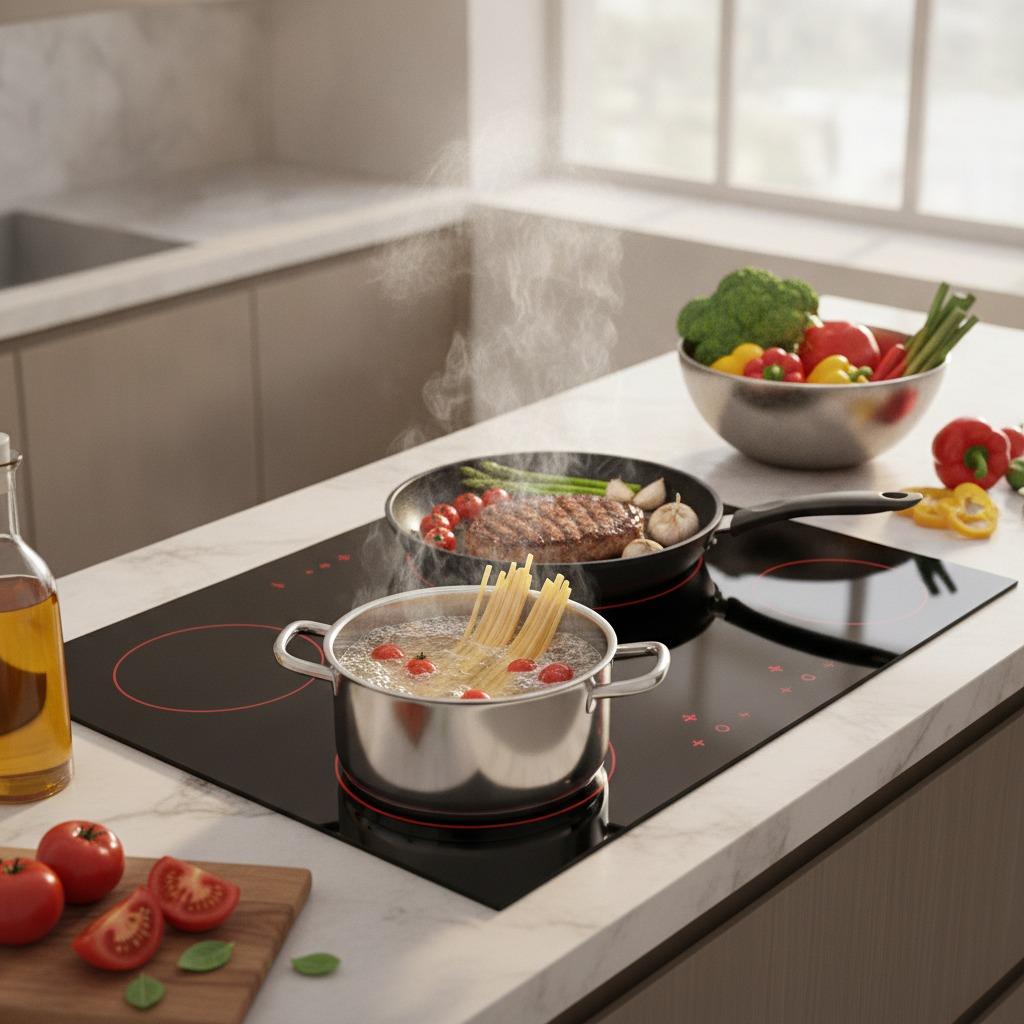
The cost of a portable or countertop electric cooker is shaped by a handful of practical choices. The first is the heating system. A glass-top appliance may use induction or radiant ceramic heating, and the internal architecture, electronics, and coil or element design will affect the quote. The second is the control method. A touch-control front panel with a digital display usually costs more than a simple mechanical knob, but it can also improve user experience and perceived value.
Material choice matters too. A flat black glass-ceramic or tempered-glass surface is attractive and easy to wipe down, but it must be paired with the right internal structure and assembly process. A compact double-zone layout, where two cooking zones are stacked or arranged for multi-dish cooking, often raises the manufacturing complexity compared with a single-zone unit. Even small details such as the housing finish, chamfered edges, control icons, and packaging design can move the final price.
Quick reference: price factors buyers should compare
| Factor | Why it changes cost | Buyer note |
|---|---|---|
| Heating technology | Different internal parts and control systems | Confirm whether it is induction or ceramic/radiant before comparing quotes |
| Number of zones | Two-zone units need more components and control logic | A Double Zone Ceramic Hob may suit users cooking several dishes at once |
| Controls | Touch panels and digital readouts add electronics and assembly steps | Useful for modern kitchen positioning and user clarity |
| Surface material | Glass-ceramic and tempered glass need proper sourcing and handling | Check scratch resistance claims carefully if not verified |
| Compliance and testing | Certification and documentation add cost, but reduce market risk | Ask for evidence rather than assuming a claim is covered |
How to judge a quote without getting lost in features
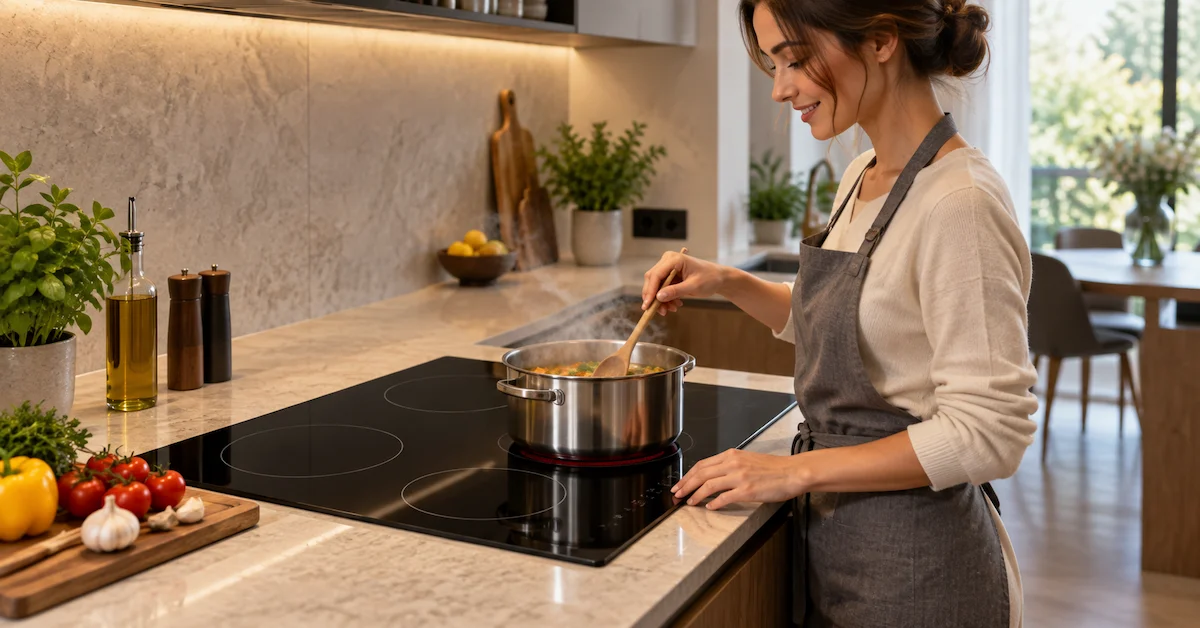
Start with the use case. A small electric cooker for a dorm, apartment, or secondary kitchen does not need the same specification level as a unit intended for heavy daily family cooking. If the target customer needs a portable electric cooker for limited space, compact footprint and easy cleaning may matter more than premium cosmetic details. If the product is being positioned as a countertop electric cooker for broader household use, buyers should look harder at control accuracy, thermal consistency, and the durability of the glass top.
1. Confirm the product definition first
Do not compare a ceramic cooktop quote with an induction model as if they are interchangeable. Visual design can be misleading. A red glow under cookware may suggest radiant heating, but it is not enough to identify the technology with certainty. Ask for the internal heating principle, component list, and rated operating parameters before you build a cost model.
2. Match the spec to the channel
An online retail SKU, a private-label appliance, and a commercial sourcing program do not chase the same price point. The same body style can be configured for different channels, but the target margin, return rate tolerance, and compliance document set will vary. A buyer focused only on electric cooker price may overlook the much larger cost of poor fit between product and market.
3. Check the non-obvious cost items
Packaging, user manuals, power cord configuration, plug type, and warranty support often look minor at quote stage. They are not. For export programs, these items can create real friction if they are treated as afterthoughts. This is especially true for a portable unit that will ship across several retail channels or regions.
Common mistakes buyers make
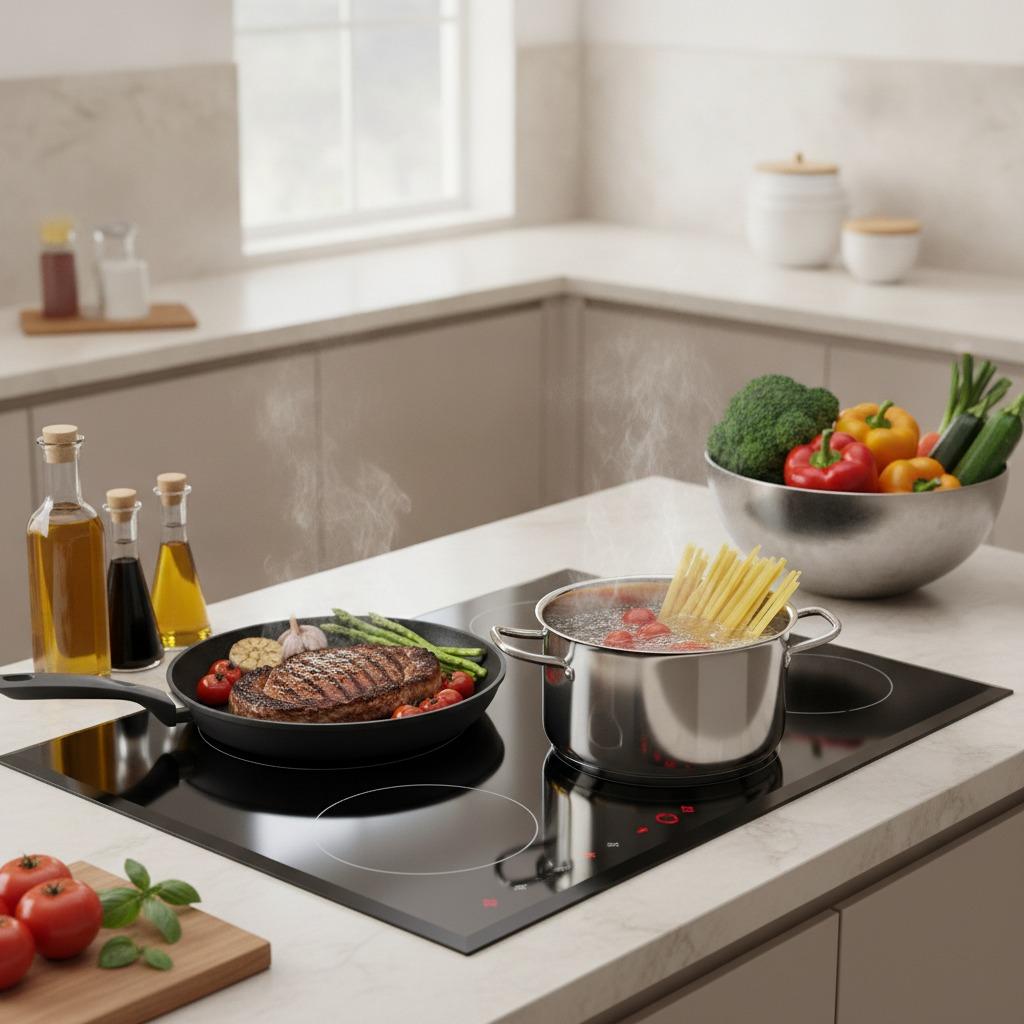
The most common mistake is chasing the lowest quote without checking what is actually included. Another is assuming that a sleek glass top automatically means premium performance. A third is ignoring how the appliance will be used in the field. For example, a family may want a portable electric cooker that can boil, simmer, and fry across two zones, but a stripped-down model might look competitive on paper and disappoint in practice.
Buyers also sometimes forget the value of supplier capability. GUANGDONG WEBO TECHNOLOGY Co., LTD, for example, operates with more than 500 employees and roughly $40 million in annual turnover, and states that it follows ISO 9001 and ISO 14001 management standards. Its products are certified by VDE, TUV, UL, CE, and ROHS. For sourcing teams, that kind of profile can matter because a stable manufacturing base and documented quality system often reduce downstream risk, even if the initial quote is not the very lowest.
Practical buying advice for sourcing teams and product managers
If you are comparing suppliers for a Ceramic Cooktop or Double Zone Ceramic Hob, ask for the same data set from each one. That should include the heating technology, materials, control layout, certification scope, sample photos, packaging format, and any stated test requirements. If the vendor cannot clearly explain how the product works, the price number is not yet meaningful.
Also think beyond the SKU. A well-priced countertop electric cooker can still become an expensive program if it is difficult to service, hard to pack safely, or inconsistent across production lots. The best commercial decision is usually not the cheapest unit; it is the one that gives you predictable performance, acceptable risk, and a retail story that customers can understand quickly.
FAQ
Is a lower electric cooker price always better?
No. A lower unit cost may be fine for a simple promotion item, but for a mainstream kitchen appliance the hidden costs can show up in returns, complaints, or compliance delays.
What should I ask a supplier first?
Ask what heating technology the unit uses, how many cooking zones it has, what materials are used on the top surface, and which certifications are available for the target market.
Which product type fits small kitchens best?
A compact portable electric cooker or small electric cooker is often the practical choice for apartments, dorms, and secondary cooking stations, especially when users want a space-saving surface with touch controls.
Next step for buyers
If you are sourcing a countertop model, build your shortlist around function first and price second. Request comparable specifications, verify the heating method, and review compliance documents before negotiating aggressively. That approach usually gives you a better result than simply asking for the lowest electric cooker price and hoping the rest will sort itself out.