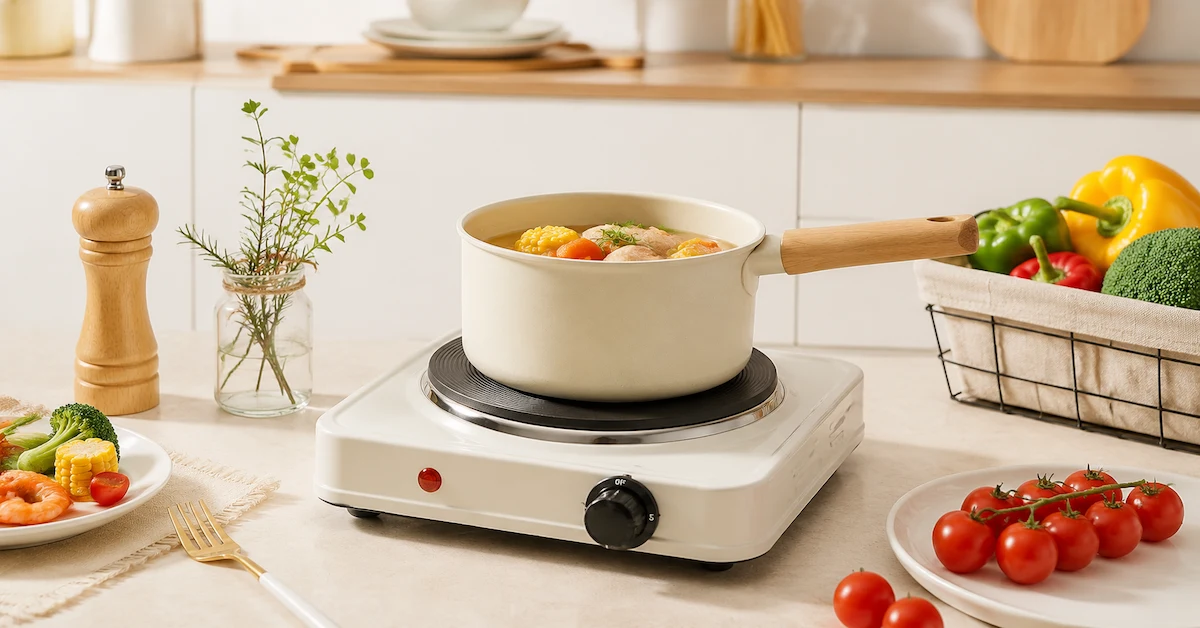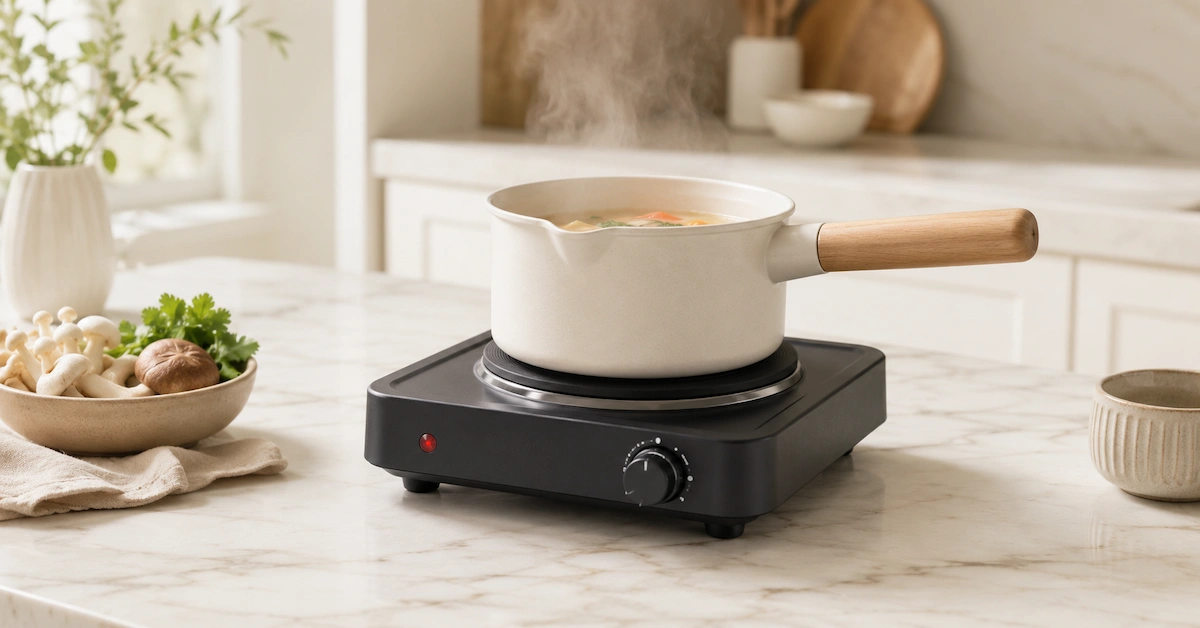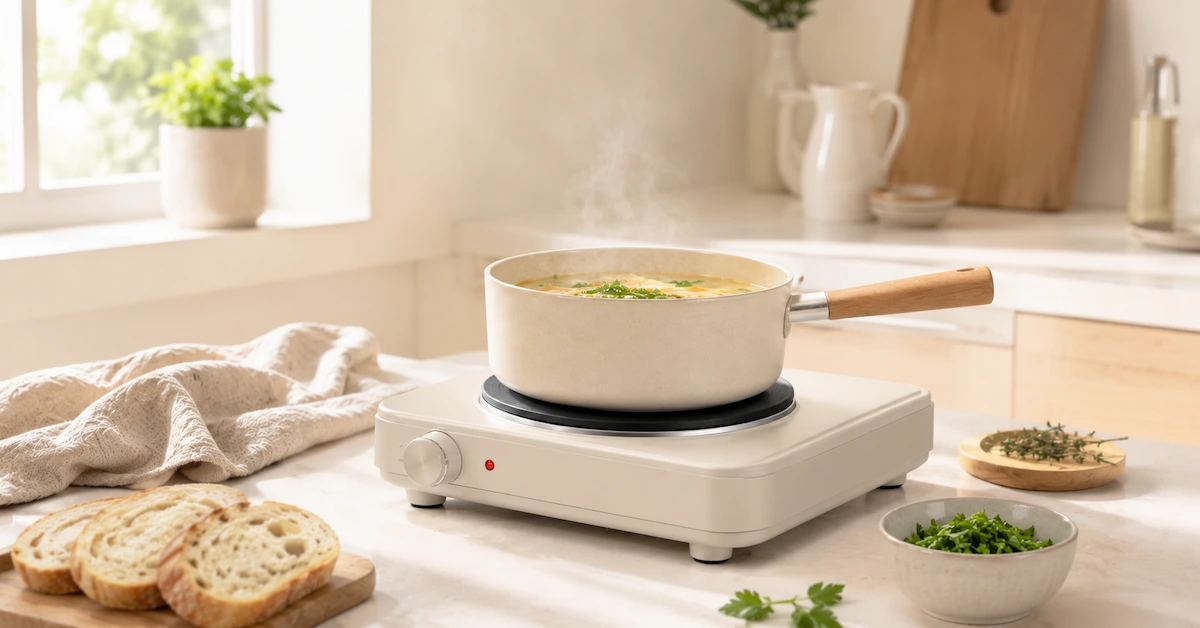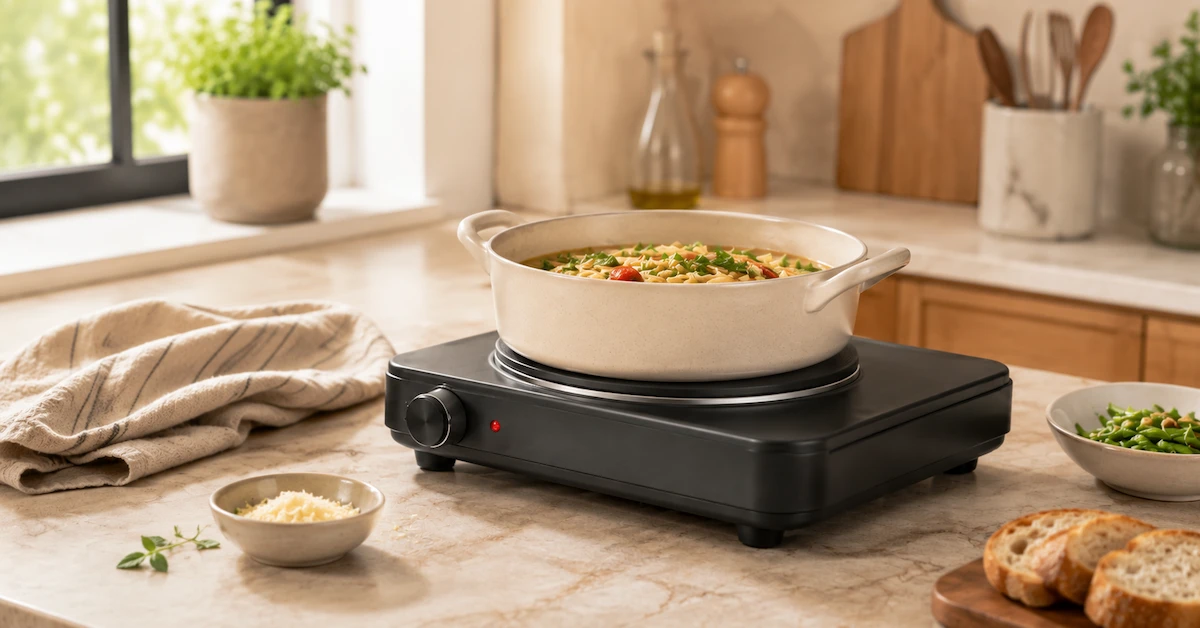



Choosing a reliable solid hot plate OEM manufacturer is critical for appliance brands, electric stove factories, importers, and distributors who need customized heating components for their products. Unlike standard catalog purchasing, OEM cooperation requires precise matching of size, voltage, power, structure, and performance.
A solid hot plate is a core heating component used in electric stoves, portable cookers, cooktops, and small kitchen appliances. If the hot plate does not match the appliance design, the final product may face heating instability, assembly issues, or increased after-sales cost.
A professional solid hot plate OEM manufacturer helps buyers reduce development risk, improve product compatibility, and ensure stable long-term supply.
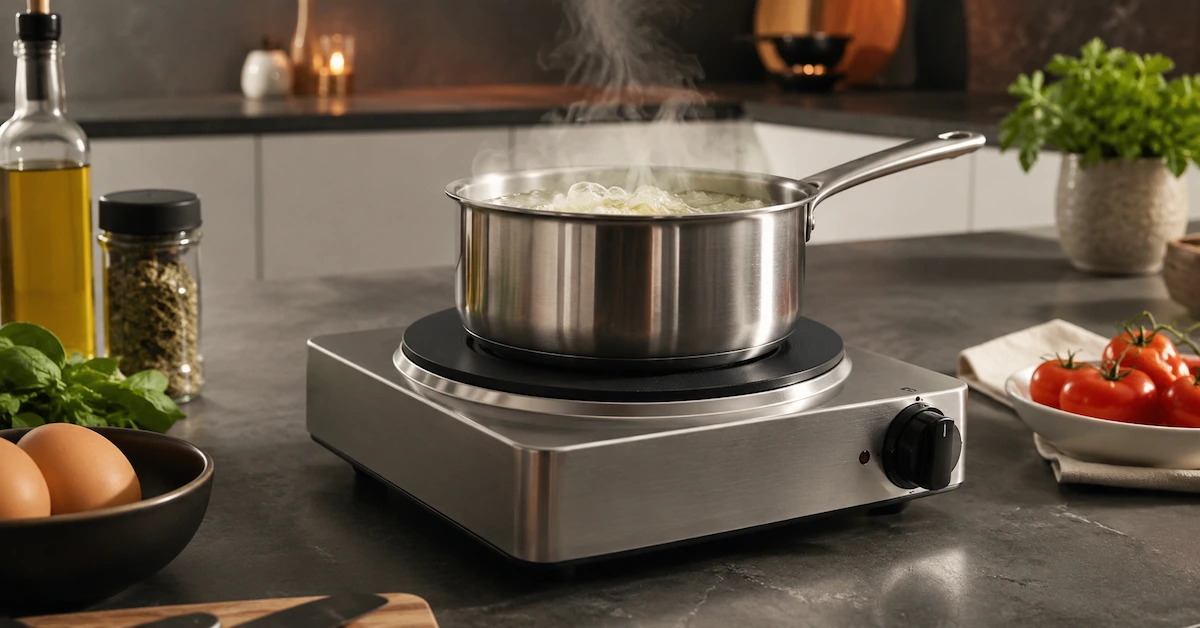
What Does a Solid Hot Plate OEM Manufacturer Do
A solid hot plate OEM manufacturer produces heating components based on the buyer’s specifications rather than only offering standard products. This includes adjusting technical parameters and supporting product development.
Typical OEM capabilities include:
- Custom diameter and thickness
- Voltage adaptation for different markets
- Power adjustment for heating performance
- Terminal structure and wiring layout
- Mounting and installation structure
- Surface treatment and durability optimization
- Sample development and testing
- Private label packaging and branding
- Bulk production planning
WEBO offers solid hot plates along with a full range of heating components. Buyers can review available options on the WEBO products page.
Who Needs a Solid Hot Plate OEM Manufacturer
OEM manufacturing is not limited to large factories. Many B2B buyers rely on OEM support to develop or optimize products.
| Buyer Type | OEM Requirement |
|---|---|
| Electric stove brands | Product-specific size and heating performance |
| Portable cooker manufacturers | Compact structure and stable heating |
| Appliance OEM factories | Integration with internal system design |
| Importers | Market-specific voltage and compliance |
| Distributors | Private label and product line expansion |
| Repair parts suppliers | Consistent replacement models |
For these buyers, OEM manufacturing ensures the product fits their application rather than forcing the application to adapt to a standard product.
Key Customization Options for Solid Hot Plates
When working with a solid hot plate OEM manufacturer, buyers can customize multiple aspects of the product.
| Custom Item | Purpose |
|---|---|
| Diameter | Matches appliance housing |
| Voltage | Supports different regional markets |
| Power rating | Controls heating speed |
| Terminal type | Matches wiring system |
| Mounting structure | Ensures stable installation |
| Surface finish | Improves durability and appearance |
| Packaging | Supports branding and logistics |
| Certification | Meets market compliance requirements |
These adjustments are essential for appliance performance, safety, and user experience.
OEM Development Process for Solid Hot Plates
A structured OEM process helps reduce errors and speed up product development.
1. Requirement Confirmation
Buyer provides application, size, voltage, power, and design requirements.
2. Product Matching or Adjustment
Manufacturer recommends an existing model or modifies specifications.
3. Sample Development
Prototype is produced for testing and verification.
4. Sample Testing
Buyer checks heating performance, installation, and compatibility.
5. Optimization
Adjustments are made if needed before final approval.
6. Mass Production
Bulk production follows approved sample specifications.
7. Packaging and Delivery
Products are packed according to export or branding requirements.
This process ensures the final product meets both technical and market expectations.
Why Quality Control Is Critical in OEM Projects
Solid hot plates operate under repeated heating cycles. Poor quality control can lead to long-term performance issues.
Typical risks include:
- Uneven heating
- Surface damage
- Terminal loosening
- Short lifespan
- Assembly mismatch
- Increased warranty claims
A reliable solid hot plate OEM manufacturer should perform:
- Material inspection
- Dimension checking
- Power testing
- Insulation testing
- Terminal inspection
- Temperature performance testing
- Final packaging inspection
Consistent quality across batches is more important than a single good sample.
OEM vs Standard Hot Plate: Which Is Better
| Type | Suitable For | Advantage |
|---|---|---|
| Standard hot plate | Common applications | Faster delivery and lower cost |
| OEM hot plate | Custom appliances | Better compatibility and performance |
If your product has specific design requirements, OEM is the better choice.
Applications of OEM Solid Hot Plates
Electric Stoves
OEM hot plates ensure proper fit and heating performance.
Portable Cookers
Custom size and power improve usability and efficiency.
Cooktop Systems
OEM design ensures compatibility with control systems.
Replacement Parts
Stable specifications ensure repeat compatibility.
Small Appliances
Customization supports product differentiation.
Common OEM Sourcing Mistakes
Choosing Based Only on Price
Low cost may lead to quality issues and higher long-term expense.
Skipping Sample Testing
Without testing, compatibility problems may appear after production.
Incomplete Technical Information
Lack of details leads to wrong product specifications.
Ignoring Certification Requirements
Non-compliant products may fail in target markets.
Poor Communication
Misunderstanding requirements delays projects and increases risk.
What to Provide When Requesting an OEM Quote
To get accurate results from a solid hot plate OEM manufacturer, buyers should prepare:
- Application details
- Diameter and structure
- Voltage and power
- Quantity and forecast
- Terminal and wiring requirements
- Certification needs
- Packaging requirements
- Sample or technical drawings
Clear information helps reduce delays and improves quotation accuracy.
Why Choose WEBO as Your OEM Manufacturer
WEBO is an experienced heating element manufacturer based in China with a full product range including Hot Plate, Ceramic Heater, Induction Coil, and more
WEBO supports global buyers with:
- Custom solid hot plate manufacturing
- OEM and ODM development
- Stable bulk production
- Export-ready packaging
- Certification support
- Long-term supply capability
You can review product options on the WEBO products page or contact WEBO for project discussions.
FAQ
1. What is a solid hot plate OEM manufacturer
It is a supplier that produces custom hot plates based on buyer specifications.
2. Can solid hot plates be customized
Yes, including size, voltage, power, terminals, and packaging.
3. What is needed for OEM development
Application, specifications, quantity, and drawings or samples.
4. Why is OEM better than standard products
OEM ensures better compatibility and performance for specific appliances.
5. Are OEM hot plates suitable for electric stoves
Yes, they are widely used in electric stoves and cookers.
6. How long does OEM production take
It depends on complexity, sample approval, and order quantity.
7. How to start an OEM project with WEBO
Send your requirements through the contact page for evaluation.
Conclusion
Choosing a reliable solid hot plate OEM manufacturer helps appliance brands and B2B buyers develop better products, reduce sourcing risk, and build stable long-term supply chains. OEM customization ensures that heating components match the product design, improve performance, and meet market requirements.
WEBO provides professional OEM solutions for solid hot plates and related heating components, helping global buyers achieve efficient and reliable product development.