



Radiant heating: what buyers actually need to sort out before they specify a system

Radiant heating is one of those terms that gets used broadly, sometimes too broadly. In one conversation it might mean an infrared radiant heater for a workshop, in another a radiant electric heater for a bathroom or office, and in kitchen product discussions it can even overlap with glass-ceramic cooktop technology that delivers heat through a flat surface. That ambiguity matters. Engineers, sourcing managers, and product teams do not need a marketing label; they need to know what is being heated, how the heat is transferred, what materials are involved, and where the practical limits sit.
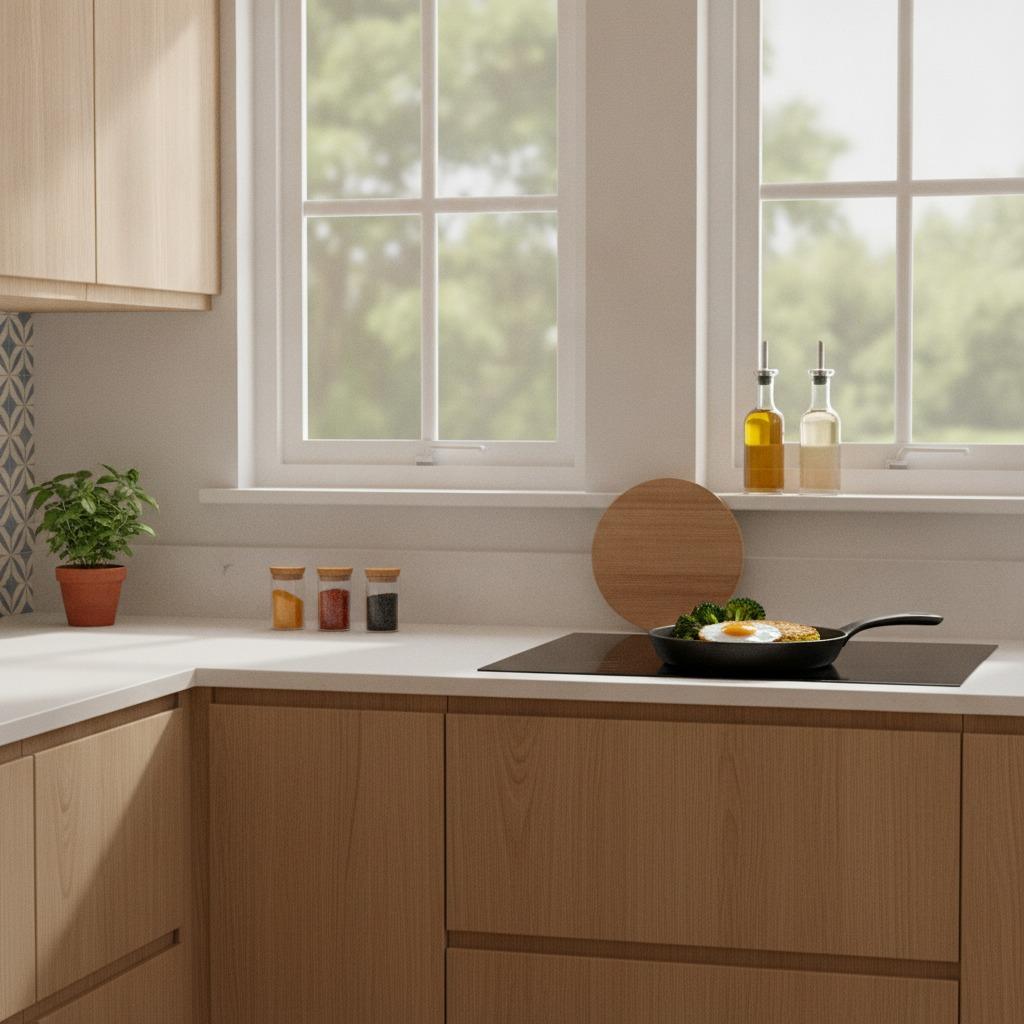
That is especially true in modern built-in appliance design. A flush-mounted black cooktop with a glossy glass-ceramic surface, circular zone markings, and a minimalist integrated look is not just a styling choice. It is a product decision that affects heat-up behavior, cleaning, installation, cookware compatibility, and serviceability. When buyers compare radiant heater options for home kitchens or commercial-style residential projects, the right question is not “Does it look modern?” It is “Does this heating method fit the duty cycle, the cabinetry, the electrical setup, and the user’s expectations?”
What radiant heating does well
At its core, radiant heating moves energy by radiation rather than by blowing hot air around a space. That makes it useful anywhere you want direct, targeted heat with relatively little delay. In building applications, radiant electric heater systems are often chosen for comfort because they warm people and objects more directly than convective systems. In equipment and appliance design, the same principle supports fast, controlled surface heating.
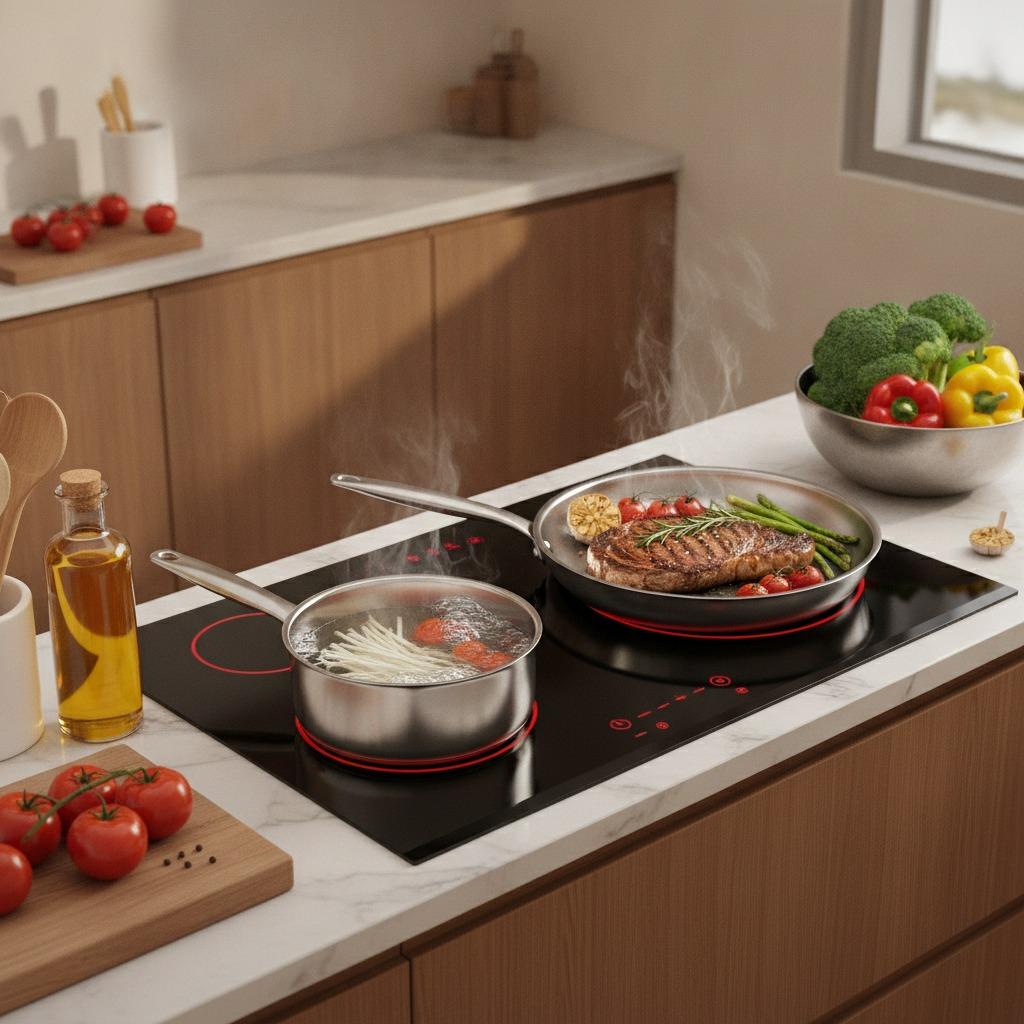
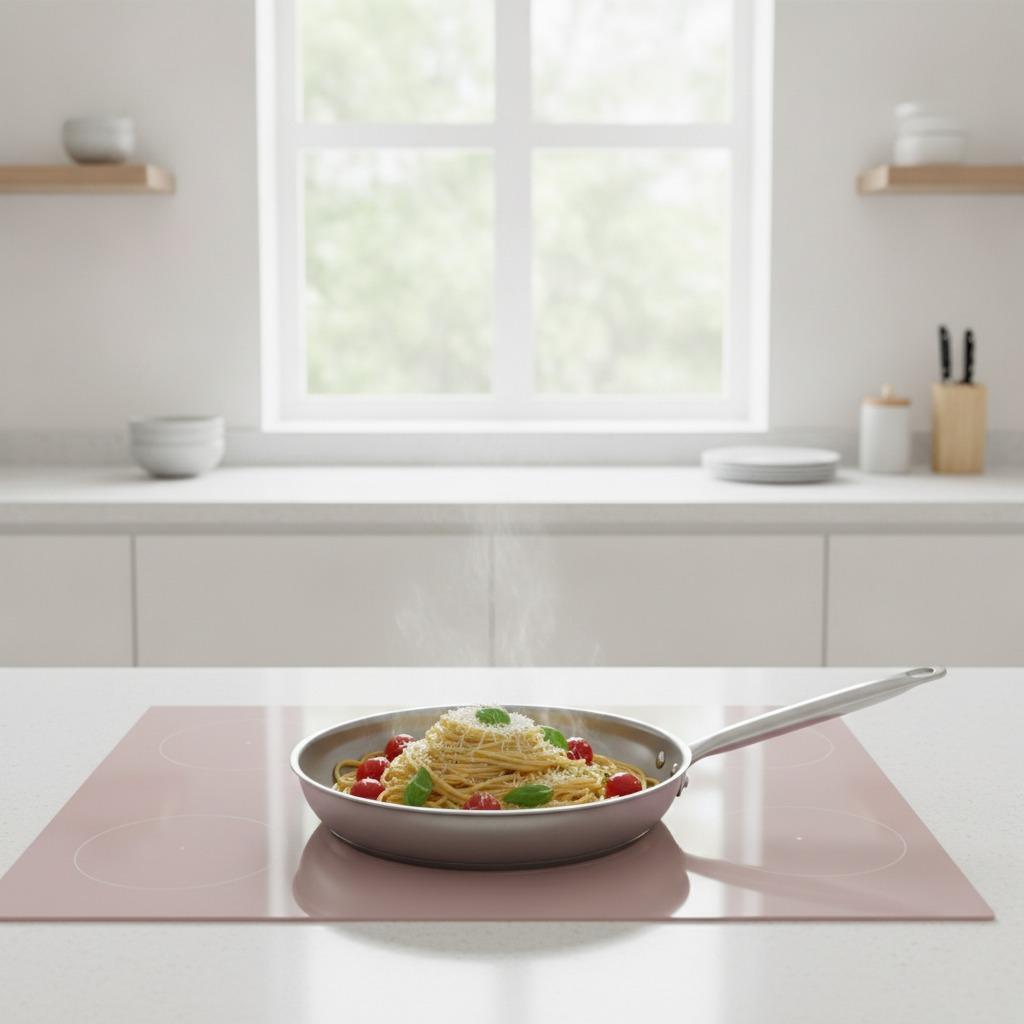
For a kitchen built-in hob, the visible construction tells part of the story. A flat black glass-ceramic surface mounted flush into a white island gives a clean installation and easy visual integration. Faint circular zone outlines suggest multiple cooking areas, which is the basic architecture buyers expect from a modern cooktop. If the unit is induction, the heating mechanism is electromagnetic. If it is an electric radiant design, the heat comes from elements beneath the glass. From a sourcing point of view, those are very different machines, even if the top surface looks similar.
Quick reference: where the main radiant heating types differ
Infrared and space-heating use cases
An infrared radiant heater is typically selected when directional heat is the priority. It can be a good fit for spot heating, partial-zone comfort, outdoor seating, or industrial tasks where one area needs heat without conditioning the whole volume. The key buying issue is coverage pattern. A narrow beam is useful until the user moves out of it.
Kitchen and surface-heating use cases
A radiant heater for home kitchens, including a glass-ceramic cooktop, is judged differently. Here the buyer cares about zone layout, response time, surface durability, and how easily the appliance can be cleaned after frying, simmering, or boiling. A cooktop that looks sleek on paper can become frustrating if the heat mapping is uneven or if the surface finish shows wear too quickly.
Zone-based heating
Zone radiant heating is worth attention in both residential and light commercial settings. The idea is simple: heat only the areas that need it. In a kitchen, that can mean multiple cooking zones. In a room or building, it can mean reducing energy waste by conditioning occupied areas rather than the entire footprint. The savings are real only when zoning matches actual usage patterns, which is where many projects go wrong.
Selection criteria buyers should not skip
Start with the load profile. Is the system going to run for short bursts, long holds, or repeated cycling? Then look at the installation environment. A built-in cooktop in a kitchen island needs the right cutout, ventilation planning, and compatible electrical infrastructure. A radiant heating system for a room needs placement that avoids cold spots and glare issues.
Material choice matters more than many brochures admit. Glass-ceramic surfaces are common because they offer a smooth, modern finish and can support integrated cooking zones, but they also demand careful handling during transport and installation. For infrared heater products, the emitter material, reflector design, and housing geometry influence performance in ways that are not always obvious from the front panel.
Buyer teams should also ask how the product is certified for target markets. GUANGDONG WEBO TECHNOLOGY Co., LTD notes management systems aligned with ISO 9001 and ISO 14001, and its products are certified by VDE, TUV, UL, CE, and ROHS. That does not tell you everything about a specific model, but it does indicate the company is working within a structured quality and compliance framework. For sourcing, that is a useful starting point, not a substitute for model-level verification.
Common mistakes in specification
One recurring mistake is assuming all radiant heater products behave the same because they share the same naming language. Another is ignoring cookware or application compatibility. A cooktop surface may look universal, yet the heating method underneath may narrow the usable pan types. In building projects, another trap is underestimating how zone radiant heating interacts with control logic; poorly defined zones can waste energy while still leaving users uncomfortable.
A smaller but important caution: glossy black surfaces look excellent in showroom lighting, but the finish should be judged against real use, not just renderings. Fingerprints, scratches, and thermal cycling all show up eventually. Procurement teams should ask how the surface holds up over time and what maintenance the manufacturer recommends.
Practical advice for product teams and sourcing managers
If you are evaluating radiant heating for a new product line or kitchen renovation project, ask for the exact heating technology, construction stack, and control method. Do not rely on exterior appearance. A black built-in hob may be marketed as radiant, induction-like, or simply electric, and those distinctions affect cost structure, user experience, and service parts.
For kitchen appliances in particular, look closely at the installation method. Flush integration into a countertop can be a strong selling point, but only if cabinet tolerances, wiring access, and thermal management are handled properly. On the commercial side, check whether the supplier can support repeatable manufacturing of the glass-ceramic top and the surrounding assembly, because cosmetic consistency matters more than teams sometimes admit.
What to ask before you approve a purchase
What is the actual heat transfer mechanism?
How many zones are present, and how are they controlled?
Is the surface glass-ceramic, and what cleaning or handling limits apply?
Is the product intended for residential cooking, zone heating, or infrared spot heating?
What compliance documentation is available for the target market?
If you can answer those questions clearly, you are already past the stage where most buying mistakes happen. From there, the decision becomes less about the word radiant heating and more about the real engineering behind the product.
Next step
If you are comparing built-in cooktops, radiant electric heater products, or infrared heater options for a project, request model-specific drawings, compliance documents, and installation guidance before you shortlist. That is the point where the differences become concrete, and concrete differences are what determine whether a product works in the field or only in the catalog.